 Skip to content
A lawn can look great for the first two weeks and still be the wrong lawn for your property. That usually happens when homeowners focus on color and price but skip the bigger question of how to choose sod type for the way the yard actually gets used.
In North Texas, that decision matters fast. A front yard with full sun, clay-heavy soil, kids, dogs, and long summer heat needs a different grass than a shaded side yard or a low-traffic backyard. If you pick the right sod from the start, your lawn establishes better, holds up longer, and takes less work to keep looking clean.
How to choose sod type based on your yard
The best sod choice starts with your site conditions, not just personal preference. Sun exposure, drainage, foot traffic, irrigation, pets, and maintenance expectations all affect which grass will perform well. When one of those factors gets ignored, even premium sod can struggle.
For most homeowners, the goal is simple: install a lawn that looks sharp, roots quickly, and fits daily life without becoming a constant project. That means being honest about how much sun your yard gets, how often people use it, and how much upkeep you really want.
Start with sunlight, not appearance
Sunlight is usually the first filter. Some sod types need long hours of direct sun to stay thick and healthy. Others can tolerate partial shade better, though no natural grass does well in deep shade all day.
If your yard gets strong sun for most of the day, Bermuda is often a solid option. It handles heat well, grows aggressively, and recovers from wear. That makes it attractive for active lawns, but it also means it needs regular mowing and can spread into beds if edges are not maintained.
If your property has more shade, St. Augustine is often a better fit. It is popular across Texas for a reason. It creates a fuller, softer look and generally performs better than Bermuda in partial shade. The trade-off is that it can be more vulnerable to certain lawn issues, and it does not like heavy traffic as much.
Zoysia often sits in the middle. It can offer a dense, attractive lawn with better wear tolerance than St. Augustine and a more refined look than Bermuda. But establishment can be slower, and upfront cost may be higher depending on the variety.
Look at traffic and daily use
A lawn is not just there to be seen from the street. It gets walked on, played on, and lived on. That changes the answer.
If you have kids running through the backyard, dogs wearing a path along the fence, or frequent outdoor gatherings, durability matters. Bermuda and some Zoysia varieties usually handle traffic better than St. Augustine. They recover faster and resist thinning in high-use areas.
If the lawn is mostly decorative, with lighter use and more emphasis on a lush appearance, St. Augustine may still be the right call. The key is matching the sod to the way the space functions. A grass that looks beautiful in a sample photo can disappoint quickly if the yard gets hard use every week.
How to choose sod type for soil and drainage
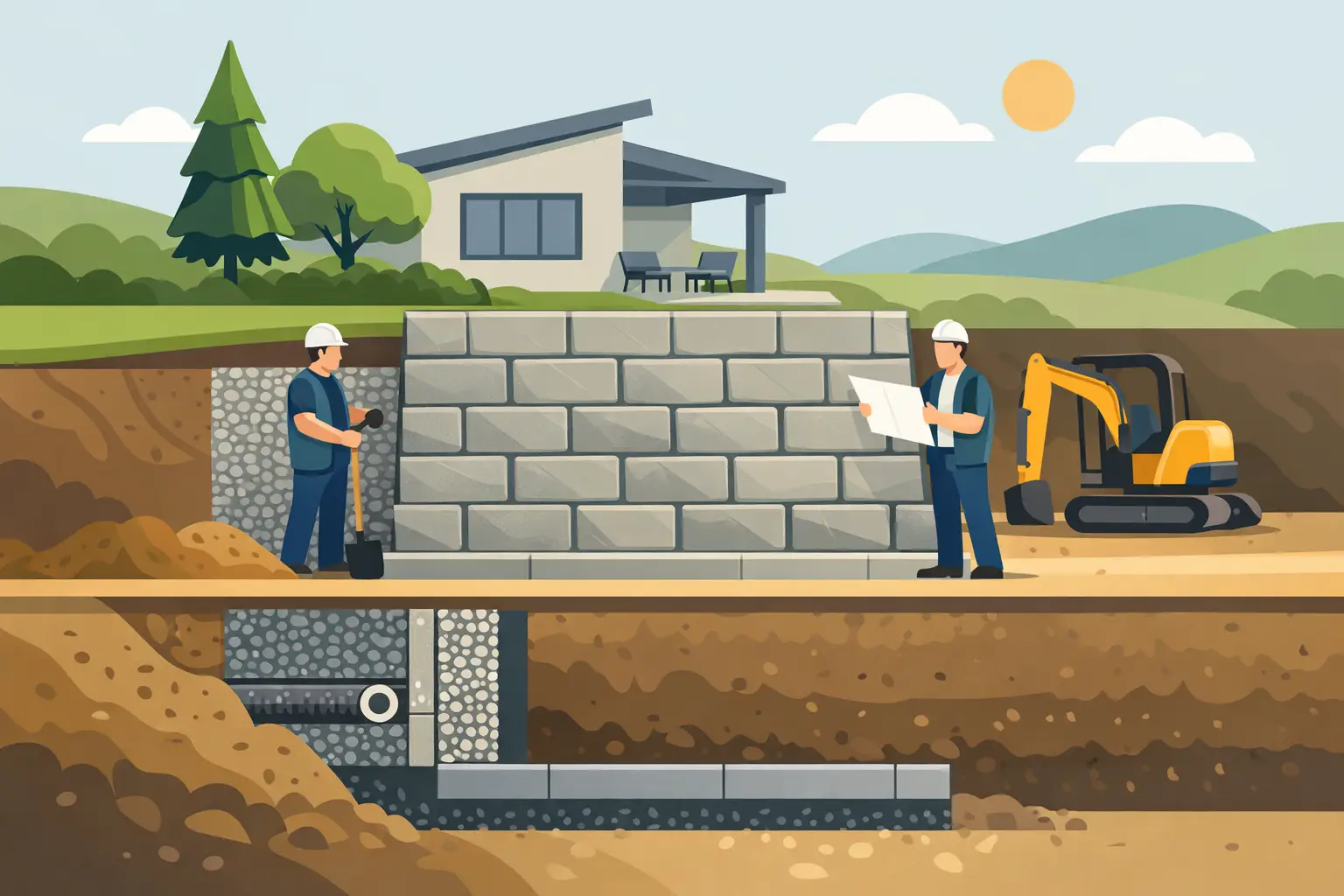
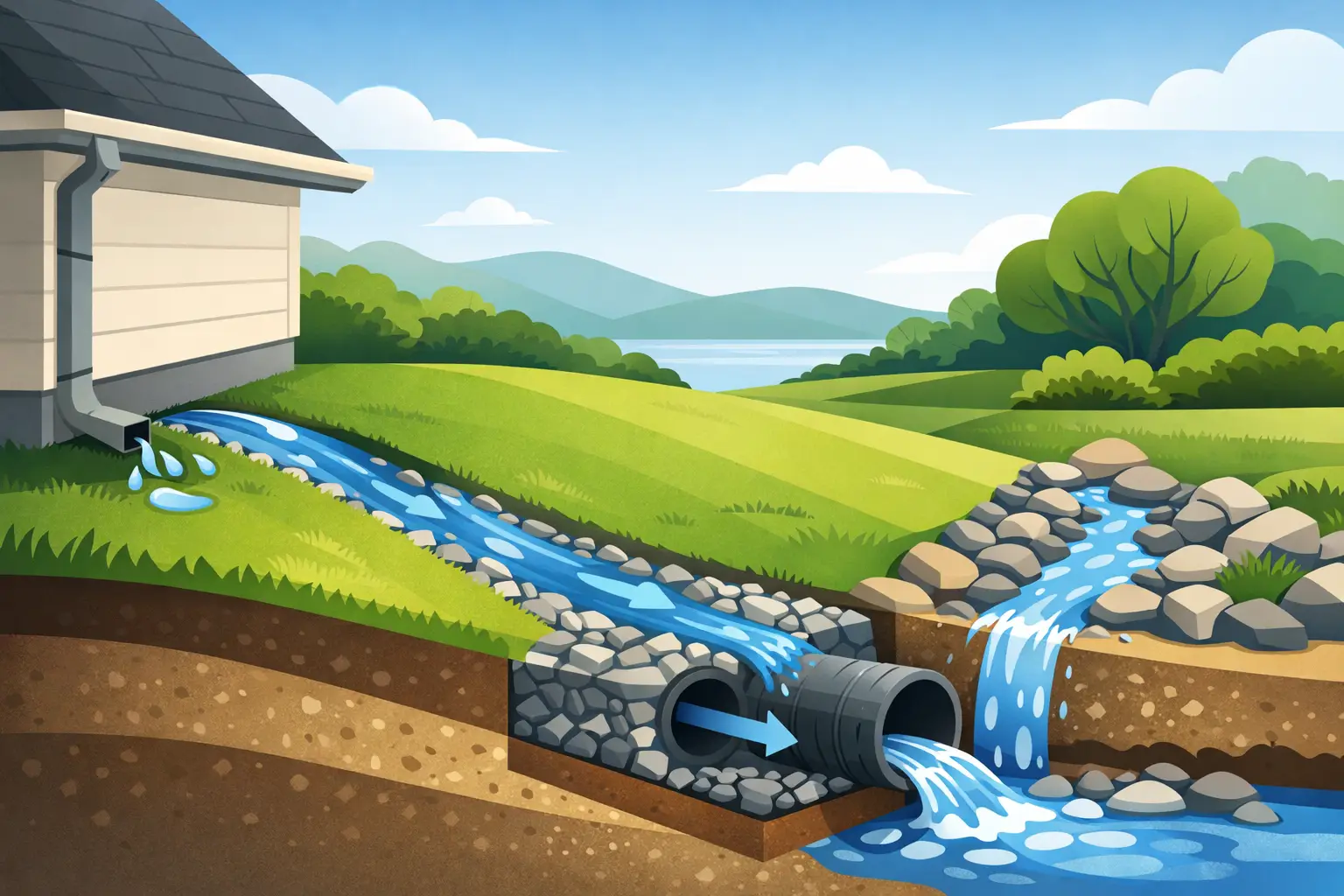
In the Dallas-Fort Worth area, soil and drainage can make or break a new lawn. Many properties deal with dense clay soil that holds water in some places and dries out hard in others. If your yard has standing water after rain, slope issues, or low spots, sod selection should be part of a bigger conversation about drainage and grading.
No sod type likes poor drainage for long. Even grasses that tolerate heat and foot traffic can decline when roots sit in wet soil. On the other side, a yard that dries out fast without proper irrigation may stress certain sod types more than others.
This is where homeowners often need more than a product recommendation. They need the site prepared correctly. Good sod installation is not just laying grass on top of existing problems. It includes proper ground prep, leveling, and attention to water flow so the lawn has a real chance to establish.
If your yard has recurring drainage issues, the smartest move may be to fix those before choosing the final sod type. In some cases, parts of the property may even be better suited for artificial turf, hardscape, or a combination approach rather than forcing natural grass into an area where it will keep failing.
Think about maintenance before you commit
Every homeowner wants a good-looking yard. Not every homeowner wants to mow twice a week in peak season, monitor irrigation closely, and stay ahead of fertilization. That is why maintenance expectations should be part of how to choose sod type.
Bermuda gives you strong performance in sun and traffic, but it usually asks for more frequent mowing to stay neat. If you like a manicured look and do not mind the upkeep, that may be a fair trade.
St. Augustine can deliver a fuller appearance with a slightly different maintenance rhythm, but it still needs proper watering, mowing, and seasonal attention. It is not a set-it-and-forget-it lawn.
Zoysia can be a strong long-term option for homeowners who want a dense lawn with a premium feel, but it is still natural grass. It needs care, and the initial investment may be higher.
For some homeowners, the real answer is that natural sod is not the best fit at all. If your top priorities are low maintenance, year-round color, and a cleaner backyard for pets or pool areas, artificial grass may solve the problem better than any sod variety. A good contractor should be willing to tell you that instead of forcing a sod sale where turf makes more sense.
Factor in pets, pools, and problem spots
Backyards with dogs often need a tougher plan. Repeated running, digging, and bathroom use can wear down natural grass fast, especially in smaller spaces. If you are trying to maintain sod around a pool, the mix of water splash, sun reflection, and heavy foot traffic can also be tough on certain lawns.
That does not mean sod cannot work. It means you should choose with those conditions in mind. A family yard with pets and active use may need a more durable grass, better irrigation coverage, and a realistic understanding of what natural sod can and cannot do. If a space is especially tight or heavily used, synthetic turf may provide better long-term value.
Common mistakes when choosing sod
One of the biggest mistakes is choosing based on what looks best at a neighbor’s house. Their lot may have different shade, soil, drainage, and irrigation. What works one street over may fail on your block.
Another mistake is buying based on lowest price alone. Cheap sod can become expensive if it does not fit the site, struggles to root, or needs replacement. The same goes for rushed installation. Even the right grass type can underperform when the prep work is poor.
Homeowners also get into trouble when they assume all green grass has the same care needs. It does not. Different sod types respond differently to heat, shade, water, and wear. Picking the wrong one can leave you spending more time and money trying to fix a lawn that was mismatched from day one.
The best way to make the right call
If you are serious about results, the best approach is to evaluate the whole yard, not just the grass sample. Look at how much direct sun the space gets, where water collects, how much traffic the lawn takes, and what level of maintenance fits your schedule. Then choose the sod type that matches those conditions.
For many North Texas homes, the answer comes down to a few proven options, but the right fit still depends on the property. A reliable installer should walk you through the trade-offs clearly. They should explain why one sod type is better for your front yard than your backyard, or why a mixed solution with turf, sod, and hardscape may give you a better result overall.
That is the value of working with a specialist. At Sod Green, the goal is not just to install grass fast. It is to help homeowners end up with a lawn that fits the property, looks right, and holds up after the crew leaves.
The best yard upgrades are the ones that keep making sense months later. Choose the sod that matches your real conditions, and you will spend a lot less time fighting your lawn and a lot more time enjoying it.




Leave A Comment