 Skip to content
A backyard can look great on day one and still be a bad fit for dogs by month six. That is why a real pet friendly artificial grass review has to go past appearance. If you have dogs, the right turf needs to drain fast, stay cleaner, resist odors, and hold up to traffic without turning your yard into a maintenance headache.
For homeowners in Dallas-Fort Worth, that matters even more. Heat, heavy summer use, and occasional hard rain can expose shortcuts in turf products and installation. A surface that seems fine in a showroom sample can fail fast if the backing traps urine, the infill runs hot, or the base is not built for drainage.
What makes artificial grass pet friendly
Pet-friendly turf is not just regular artificial grass with a nicer label. It should be designed and installed to handle repeated bathroom use, digging, running, and daily wear. The fibers need enough resilience to bounce back after your dog cuts across the yard at full speed. The backing needs efficient drainage, and the base underneath needs to move liquid away instead of holding it.
Comfort matters too. Dogs spend a lot of time close to the ground. If the turf feels overly stiff, gets too hot, or has an abrasive texture, your yard may stay pretty but become less usable. The best systems balance durability with a softer, more natural feel under paw.
Pet friendly artificial grass review – what actually matters
A lot of turf marketing focuses on color, pile height, and how realistic the lawn looks. Those things matter, but pet owners should start somewhere else.
Drainage is the first thing to check
If artificial grass does not drain well, every other feature becomes less impressive. Pet urine needs to pass through the turf and base quickly. Otherwise, odor builds up, bacteria has more time to sit in place, and cleaning becomes more frequent.
For dog owners, perforated backing is usually the minimum standard. Better systems are built with drainage in mind from top to bottom, including the sub-base and grading. This is one of the biggest differences between a turf product and a full turf system. A strong product installed over a weak base will still disappoint.
Odor control depends on more than the grass
No artificial grass is magically odor-proof. That is the truth homeowners should hear up front. Good pet turf helps reduce odor by draining well and allowing easier rinsing, but long-term odor control also depends on proper base prep, quality infill choices, and routine cleaning.
If you have one small dog, odor is easier to manage than in a yard with multiple large dogs using the same area every day. It depends on pet volume, sunlight, airflow, and cleaning habits. A pet area that gets regular hose-downs and occasional turf-safe treatment will perform much better than one left alone for months.
Fiber strength matters for active dogs
Dogs do not move through a yard the way people do. They sprint, pivot, scratch, and return to the same paths over and over. That means blade resilience matters. Turf that mats down quickly can start looking worn, especially along fence lines, near doors, and around play areas.
A slightly shorter, denser turf often performs better for pets than very tall decorative grass. Tall blades can look lush at first, but they may show wear faster in high-traffic dog runs. If you want the best balance, look for a turf style that still looks natural but is built for heavy use.
Heat should be part of the review
In North Texas, this is not a minor issue. Artificial turf can get hotter than natural grass in direct sun. Some products and infill choices handle heat better than others, but no synthetic lawn stays as cool as healthy natural grass on a scorching summer afternoon.
That does not mean pet turf is a bad idea. It means you should plan realistically. Shade, lighter color blends, cooling infill options, and rinse-downs can all help. If your dog is outside during peak heat, surface temperature should be discussed before installation, not after.
The good side of pet turf
When the product and install are done right, pet-friendly artificial grass solves several problems at once. You stop dealing with mud tracked into the house after rain. Yellow urine spots are no longer part of the weekly view out your back window. Your yard keeps a clean, finished look year-round, even when natural grass would struggle in shade or under heavy dog traffic.
It also cuts down the work. No mowing around bare patches. No trying to revive worn-out sections near the patio. No cycle of reseeding, watering, and hoping the lawn survives another summer with pets. For busy homeowners, that practical value is often the biggest selling point.
The trade-offs homeowners should know
Any honest pet friendly artificial grass review should talk about trade-offs. First, there is the upfront investment. Artificial grass costs more to install than patching a lawn or laying down basic sod. The long-term payoff can be strong, but the initial price is still real.
Second, it is lower maintenance, not no maintenance. Pet owners will still need to rinse used areas, remove solid waste quickly, and occasionally freshen the surface. That work is simpler than lawn care, but it does not disappear.
Third, poor installation can ruin a premium product. If the base is uneven, the drainage is weak, or seams are visible, the turf will not perform the way homeowners expect. That is why installer experience matters just as much as the material itself.
How to judge turf before you buy
Ask how the system handles pet urine
Do not settle for vague answers. Ask how fast the turf drains, what kind of backing it uses, and what base materials are installed underneath. Ask whether the yard will be graded to move water correctly. If a contractor only talks about the grass blades and skips the drainage side, that is a red flag.
Feel the turf in person
Samples help, but larger displays tell a better story. Run your hand across the fibers. Press down on the backing. See how quickly the blades recover. For pet homes, the best choice is not always the softest sample. It should feel comfortable while still showing structure and durability.
Ask about infill choices
Infill affects stability, drainage, cleanliness, and heat. Some options are better suited for pet areas than others. The right choice depends on how the yard will be used, how many dogs you have, and how much direct sun the area gets.
Look at the cleanup plan
A good contractor should explain how to care for the surface after installation. That includes rinsing, spot treatment, waste removal, and what to expect over time. Straight answers here usually mean the company has real experience with pet applications.
Best fit for different pet households
One or two dogs with moderate yard use can do very well with a broad range of quality pet turf systems. If you have multiple dogs, larger breeds, or a dedicated dog run, performance becomes more demanding. In those cases, drainage capacity, seam strength, and a tougher fiber profile become more important than having the softest or tallest grass.
Families with kids and pets usually need a balanced product. You want a lawn that looks polished from the patio, feels good underfoot, and can handle constant use without flattening. Pool owners often need to think about drainage and cleanup even more, since wet paws and splash-out increase the demands on the surface.
Is pet-friendly artificial grass worth it?
For many homeowners, yes – especially if natural grass has become a losing battle. If your yard stays muddy, develops urine burns, or turns patchy from dog traffic, artificial turf can be a major upgrade in both appearance and daily use. It gives you a cleaner, more dependable outdoor surface and a yard that still looks finished when pets are hard on it.
But the value depends on choosing the right system and the right installer. A cheap turf job can look acceptable for a short time and still become a problem with odor, wear, and drainage. A well-built installation costs more up front, but it usually delivers the result homeowners were hoping for in the first place.
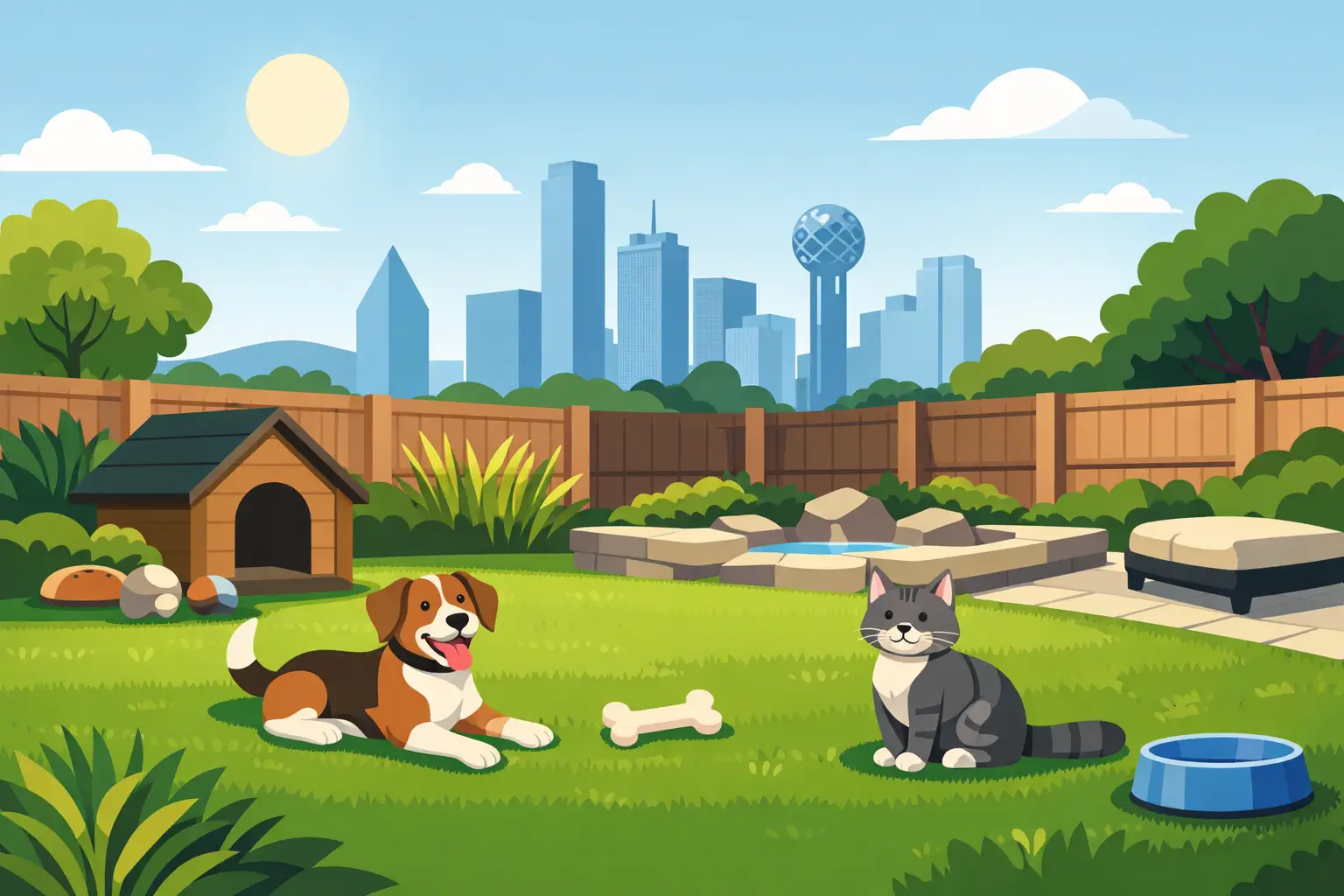
For Dallas-area families who want a yard that can handle dogs without the constant upkeep, a pet-focused turf system is often one of the smartest outdoor improvements you can make. The goal is not just a green lawn. It is a backyard that works every day, looks clean, and stands up to real life with pets.




Leave A Comment