 Skip to content
A pool area looks great in photos when the water is clean and the patio is spotless. In real life, it is usually where mud gets tracked, grass turns patchy, and bare spots show up fast. That is why more homeowners are searching for poolside turf installation ideas that actually hold up to foot traffic, splash-out, pets, and Texas heat.
Artificial turf around a pool can solve a lot of common backyard problems, but the best results come from smart layout choices, not just picking a product and rolling it out. The shape of your pool, how much sun the yard gets, where water drains, and how your family uses the space all matter. A good design should look sharp, feel comfortable underfoot, and stay easy to maintain year-round.
Why poolside turf works so well
Natural grass and pool decks usually do not get along for long. Constant water exposure, chlorine splash, and heavy traffic wear down real grass quickly. Then you end up with mud, weeds, and clippings getting into the water.
Turf gives you a cleaner finish and a more controlled surface. It creates a soft transition between hardscape and the rest of the yard, and it can make a pool area feel more complete without adding another all-concrete zone. For families with kids and dogs, that matters. You get a space that stays usable without the constant cycle of reseeding, mowing, and cleanup.
That said, not every poolside turf installation should look the same. Some homeowners want a modern, clean-lined design. Others want something softer and more natural around curves, planting beds, and lounge areas. The right choice depends on how you want the yard to function.
Poolside turf installation ideas for different layouts
1. Frame the pool with a turf border
One of the simplest poolside turf installation ideas is to use turf as a border around concrete, pavers, or travertine. This works especially well when you want to break up a large hardscape area and add color without making the yard feel busy.
A turf border can be narrow and crisp for a modern look, or wider if you want more space for kids to sit, play, or walk barefoot. The biggest advantage is balance. Too much hardscape can feel harsh and hot in the summer. Turf softens that edge and makes the entire pool area feel more inviting.
2. Create a turf lounge zone
If your pool deck is packed with chairs, side tables, and traffic, it helps to build a separate lounging area just off the water. Turf is a strong option for that space because it stays visually clean and gives bare feet a break from hot decking materials.
This layout works well near tanning ledges, shade structures, or outdoor kitchens. It also keeps furniture from overcrowding the immediate pool edge. The space feels more organized, and the backyard becomes easier to use when people are not all stacked on one patio.
3. Use turf between pavers
For homeowners who want a more custom look, turf strips or inserts between pavers can make a big impact. This is especially popular in modern pool designs where clean geometry matters.
The trade-off is that this style requires precise installation. If the base is not built correctly or the spacing is inconsistent, it can look uneven fast. But when it is done right, it gives the pool area a high-end finish and keeps the overall design from feeling too hard or flat.
4. Replace problem grass areas beside the deck
Sometimes the smartest idea is not flashy at all. If you already have a pool and the side yard or back edge of the deck stays muddy, shaded, or worn out, replacing just those sections with turf can clean up the whole backyard.
This approach is practical and cost-conscious. You target the areas that cause the most mess without redoing the entire landscape. It is also a good fit for families who want lower maintenance but still want to keep some natural elements elsewhere in the yard.
Design choices that make the space look finished
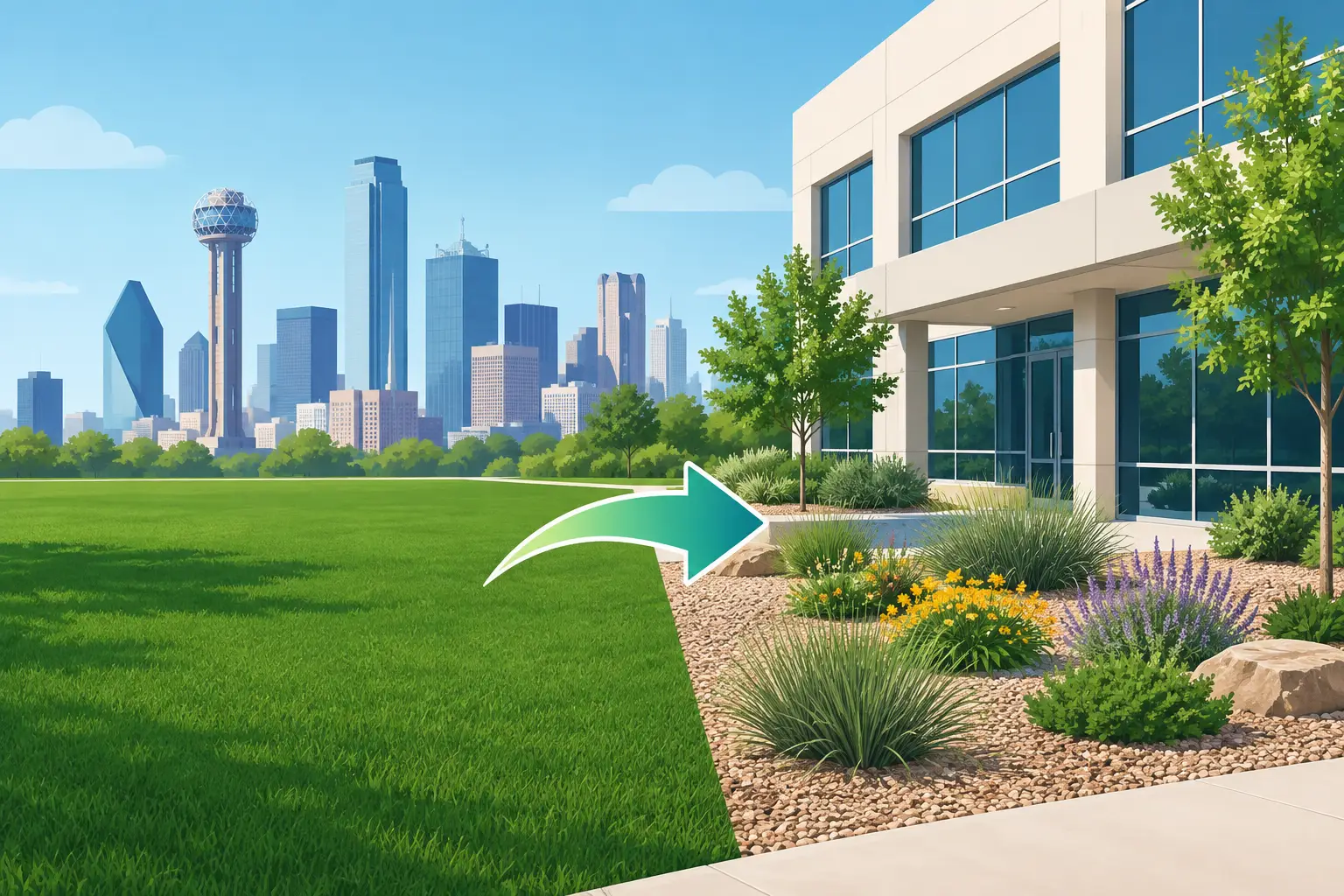
Combine turf with stone or concrete
Turf almost always looks better when it has a strong edge next to it. Stone, concrete, pavers, and decorative gravel all help define the space and keep the installation from looking like an afterthought.
This is where experienced planning matters. Around a pool, transitions should look clean and stay secure over time. A sloppy edge or weak seam is more noticeable in an open backyard where every line is visible. Pairing turf with hardscape also helps control traffic flow, which is useful when people are moving between the pool, patio, and house.
Build in drainage from the start
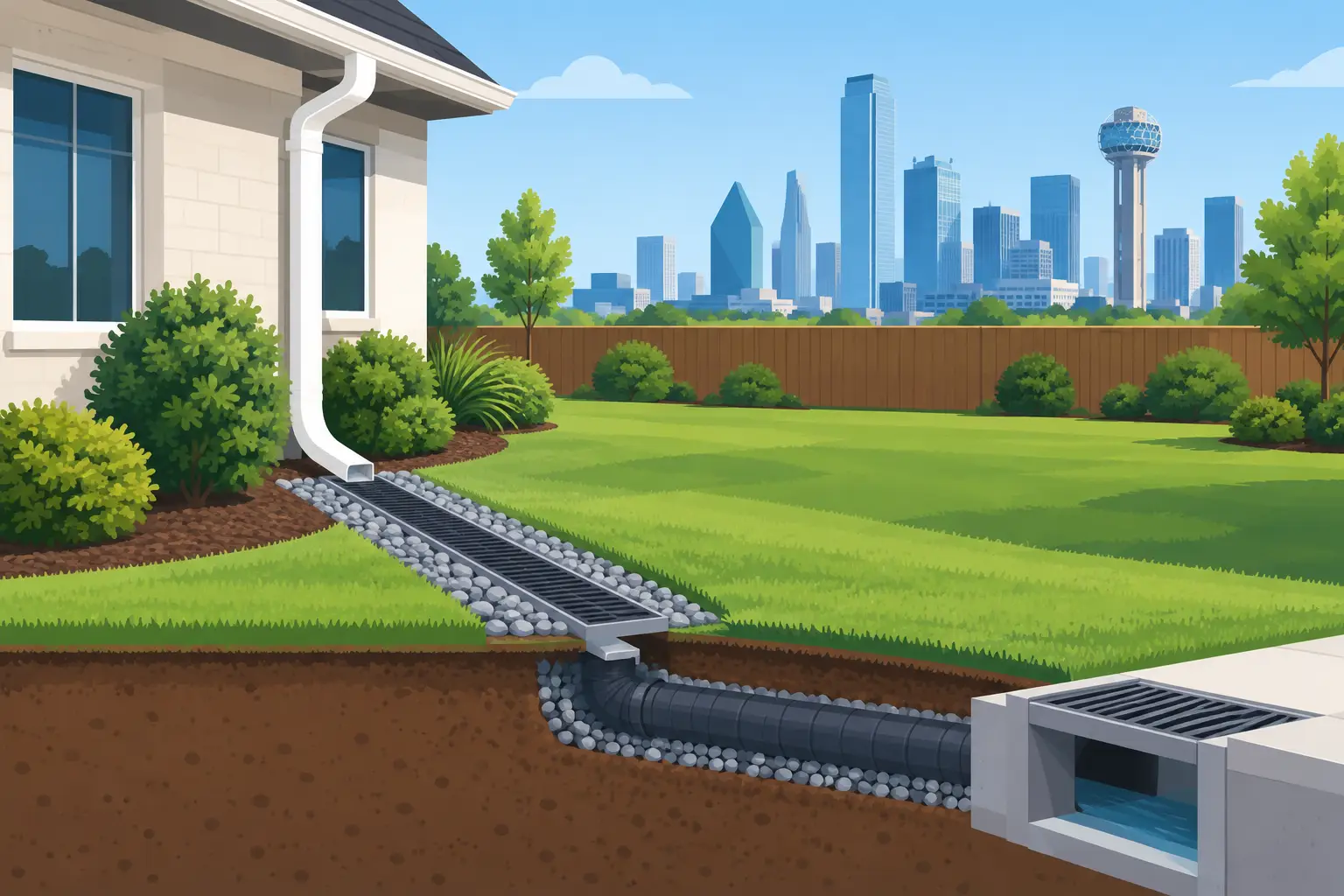
This is one of the biggest factors in any poolside turf project. Water has to go somewhere. Between splash-out, rain, and irrigation from surrounding beds, poor drainage can turn a nice-looking yard into a headache.
Turf itself is designed to drain, but the base underneath is what really determines performance. If the site has low spots or runoff issues, those should be fixed before installation. In the Dallas-Fort Worth area, that can mean grading, adding proper base materials, or tying the turf layout into a larger drainage plan. Good drainage is not an upgrade. Around a pool, it is part of the job.
Keep traffic patterns in mind
A pool area is not just for looking at. It gets used hard. People run from the water to the house, gather near gates, walk around furniture, and cut corners through the yard. Turf should be installed with those habits in mind.
That might mean wider pathways, reinforced base work in high-traffic sections, or a layout that directs movement naturally. It depends on the property. A small backyard with one main access point needs a different plan than a large pool area with multiple patios and open lawn sections.
Safety and comfort matter just as much as looks
A nice backyard should also feel comfortable to use every day. Around a pool, that means thinking beyond color and shape.
Choose turf products that are made for outdoor traffic and exposure, not just visual appeal. Lower pile heights can feel tidier in some designs, while slightly softer products may work better where kids play. The right fit depends on whether the area is more decorative, more active, or trying to do both.
Surface temperature is another factor homeowners ask about often. In full Texas sun, turf can get warm, just like concrete and pavers can. Shade structures, strategic layout, and surrounding materials all influence comfort. If a pool deck gets intense afternoon sun, it may make sense to combine turf with cooler hardscape zones rather than using one material everywhere.
Where homeowners get the best results
The strongest poolside projects usually treat turf as part of the entire outdoor design, not a standalone fix. A few areas tend to deliver the best return.
One is the transition from pool deck to yard. This area often gets beat up the fastest, and turf helps keep it clean and usable. Another is around seating areas, especially where families want a softer surface for kids or pets. Side yards next to the pool also make sense when natural grass struggles due to shade, drainage, or traffic.
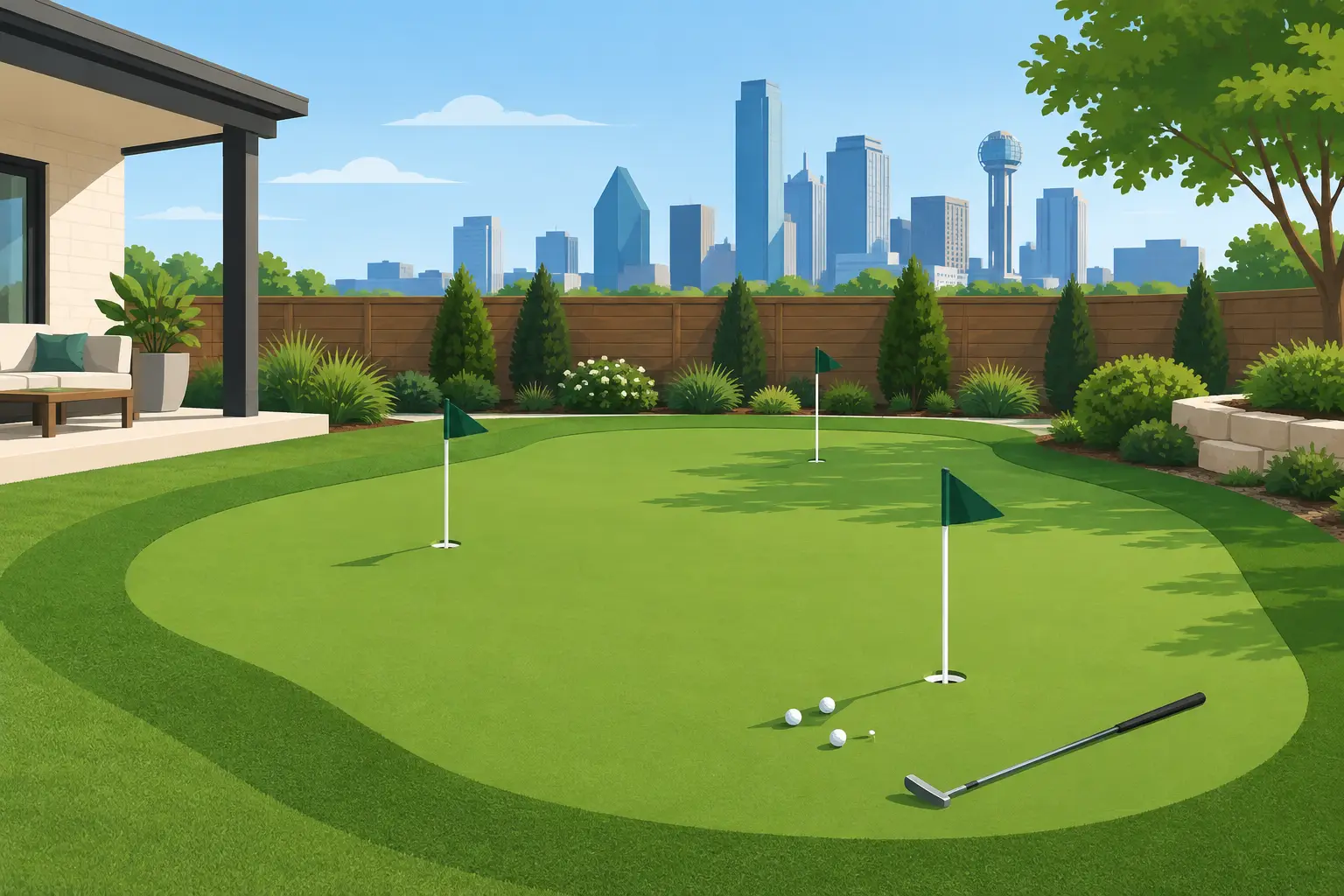
For higher-end projects, combining turf with a putting green, walkway, or decorative stone border can make the whole backyard feel more custom. That only works when the installation is done with the same care as the rest of the landscape. Pool areas are highly visible, and shortcuts show.
Installation quality is what makes it last
A poolside turf project can look great on day one and still fail if the prep work is weak. The base, grading, edging, seam work, and final finish all matter. Around water, there is even less room for error.
That is why homeowners usually get better long-term results working with a contractor who understands both turf systems and surrounding landscape construction. If your pool area also needs pavers, drainage work, stone borders, or grading corrections, it helps to have one crew that can handle the full scope without piecing the project together.
Sod Green works with homeowners who want that kind of clean, durable finish – not just turf laid down fast, but a complete poolside surface that looks right and performs the way it should.
The best poolside turf installation ideas are the ones that fit how you actually live. If your goal is less mess, lower maintenance, and a backyard that feels finished every time you step outside, start with a layout that solves problems first. The style comes together naturally when the groundwork is done right.


Leave A Comment