 Skip to content
Step onto artificial grass in a Dallas summer at 3 p.m., and you can feel the difference fast. So, does artificial turf get hot? Yes, it does. In direct Texas sun, synthetic turf can become noticeably hotter than natural grass, especially on cloudless days when the surface is exposed for hours.
That does not mean artificial turf is a bad choice. It means homeowners need the straight answer before they invest. If you have kids, dogs, a pool area, or a backyard you actually plan to use in the summer, heat matters. The good news is that turf temperature is manageable when the product, installation, and layout are handled the right way.
Does artificial turf get hot compared to grass?
Yes – artificial turf usually gets hotter than natural grass. Real grass holds moisture and cools itself through evapotranspiration, which is one reason a natural lawn often feels comfortable under bare feet even in warm weather. Synthetic turf does not cool itself the same way.
Instead, artificial grass absorbs and holds heat. The blades, backing, infill, and compacted base all play a role. Darker materials tend to heat up faster, and when there is no shade, no breeze, and no moisture on the surface, temperatures can climb quickly.
For homeowners in North Texas, this is the part that matters most: turf can absolutely be usable and worth the investment, but it should never be sold as if it feels exactly like natural grass in full summer sun. That is not realistic. A good contractor will explain the trade-offs, not gloss over them.
Why artificial turf gets hot
The main reason is simple. Artificial grass is made from synthetic materials that absorb solar heat more readily than living grass. Natural lawns pull moisture from the soil and release water vapor, which creates a cooling effect. Turf does not have that built-in temperature control.
Surface heat also depends on what is underneath and around it. If the turf is installed near concrete, pavers, stone coping, or a pool deck, those surfaces can reflect additional heat back onto the lawn. In a backyard with little tree cover, the turf is getting hit from every angle – direct sun above, heat radiating from surrounding hardscape, and warm air trapped across the yard.
That is why one turf installation can feel much hotter than another, even in the same city. It is not just about the material. It is also about exposure, layout, and installation quality.
How hot does artificial turf get?
There is no single temperature that applies to every product or every yard, but artificial turf can run significantly hotter than natural grass during peak sun. On very hot Texas days, the surface temperature can rise well above the air temperature.
A few factors make a big difference. Midday sun is tougher than morning light. A turf area with no shade will heat up more than one with partial tree cover or a pergola nearby. Certain infill choices retain more heat than others. Blade color, turf density, and even airflow across the yard can change how hot the surface feels.
That is why homeowners should think in terms of conditions, not just numbers. If your yard gets full west-facing sun in July and August, expect the turf to be hotter than if your lawn is partly shaded and open to breeze. If you are building a putting green or a pet area, use patterns matter just as much as the product itself.
When turf heat is most noticeable
Heat becomes a real concern when people plan to use the surface with bare feet, small children, or pets during the hottest part of the day. If the turf is mainly for looks and curb appeal, the temperature may not be a major issue. If it is meant to be a play zone, dog run, or poolside hangout, the conversation changes.
Pool areas are a good example. Many homeowners want the clean, finished look of synthetic grass around the water, and it can be a strong upgrade from muddy or thinning natural grass. But a poolside turf section in full sun may feel hot by afternoon, especially when surrounded by concrete decking.
The same goes for pet owners. Dogs often tolerate heat differently than people, but paws can still be sensitive on a hot surface. Families with children should think the same way. If kids are going to run barefoot across the yard all summer, planning for heat reduction is part of doing the job right.
What affects whether artificial turf gets hot?
Not all turf systems perform the same. The product itself matters, but so does the installation.
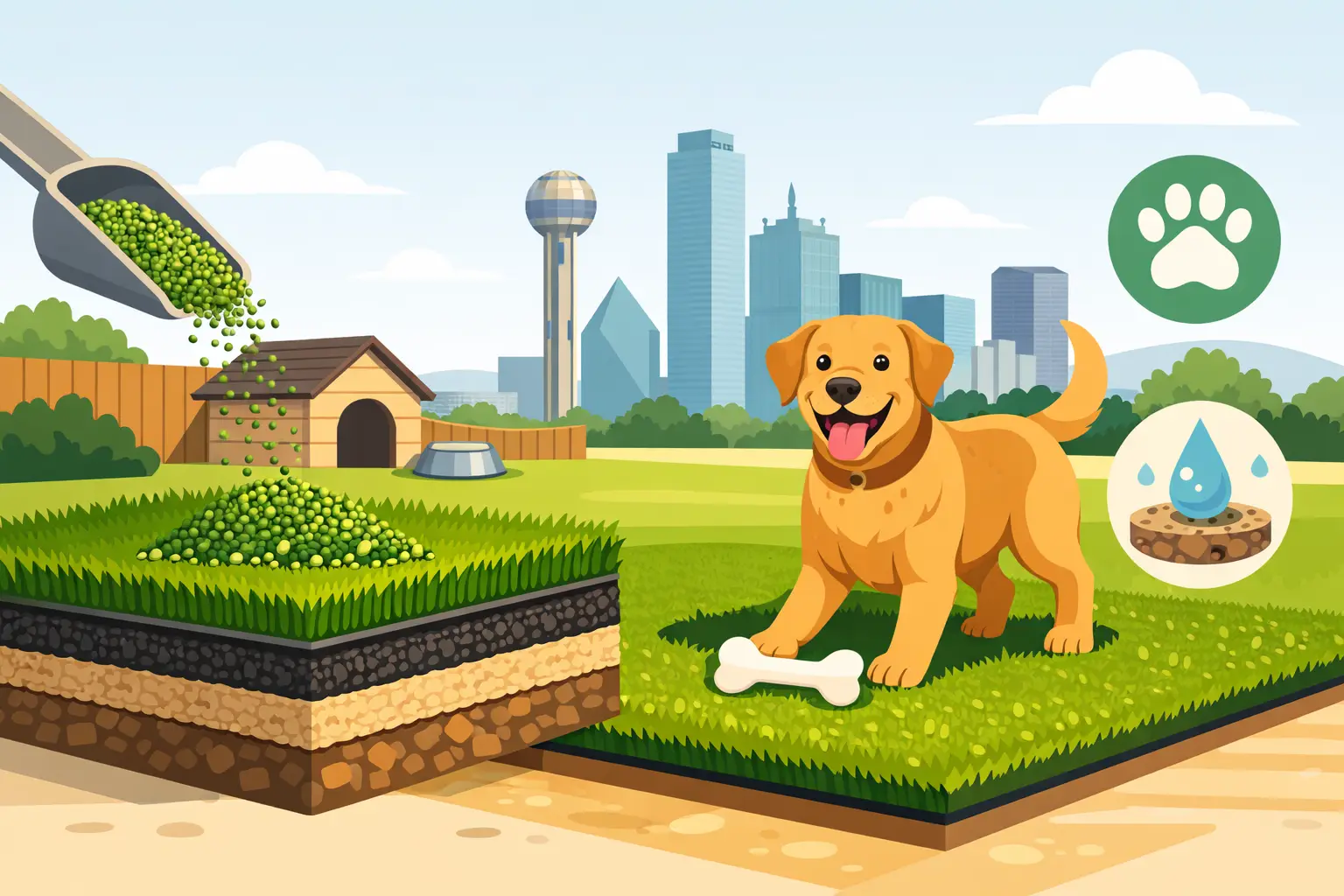
Turf color is one factor. Darker green fibers and certain thatch blends may absorb more heat than lighter-looking products. Infill is another. Some infill materials retain heat more than others, while newer cooling infill options are designed to reduce surface temperatures. The base beneath the turf can also influence how heat is stored and released throughout the day.
Then there is the yard itself. Shade from trees, patio covers, fences, and nearby structures can help. Open exposure can make the surface much warmer. Hardscape choices matter too. Large areas of surrounding stone, pavers, and concrete can increase the overall heat load in the space.
This is where experience counts. A specialist looks at the full outdoor environment, not just the turf sample.
How to keep artificial turf cooler
If you are worried about summer heat, there are practical ways to improve comfort.
The first is product selection. Some turf systems are designed with heat performance in mind, including lighter fiber technology or cooling infill options. These do not make turf cold, but they can help lower surface temperature compared to standard setups.
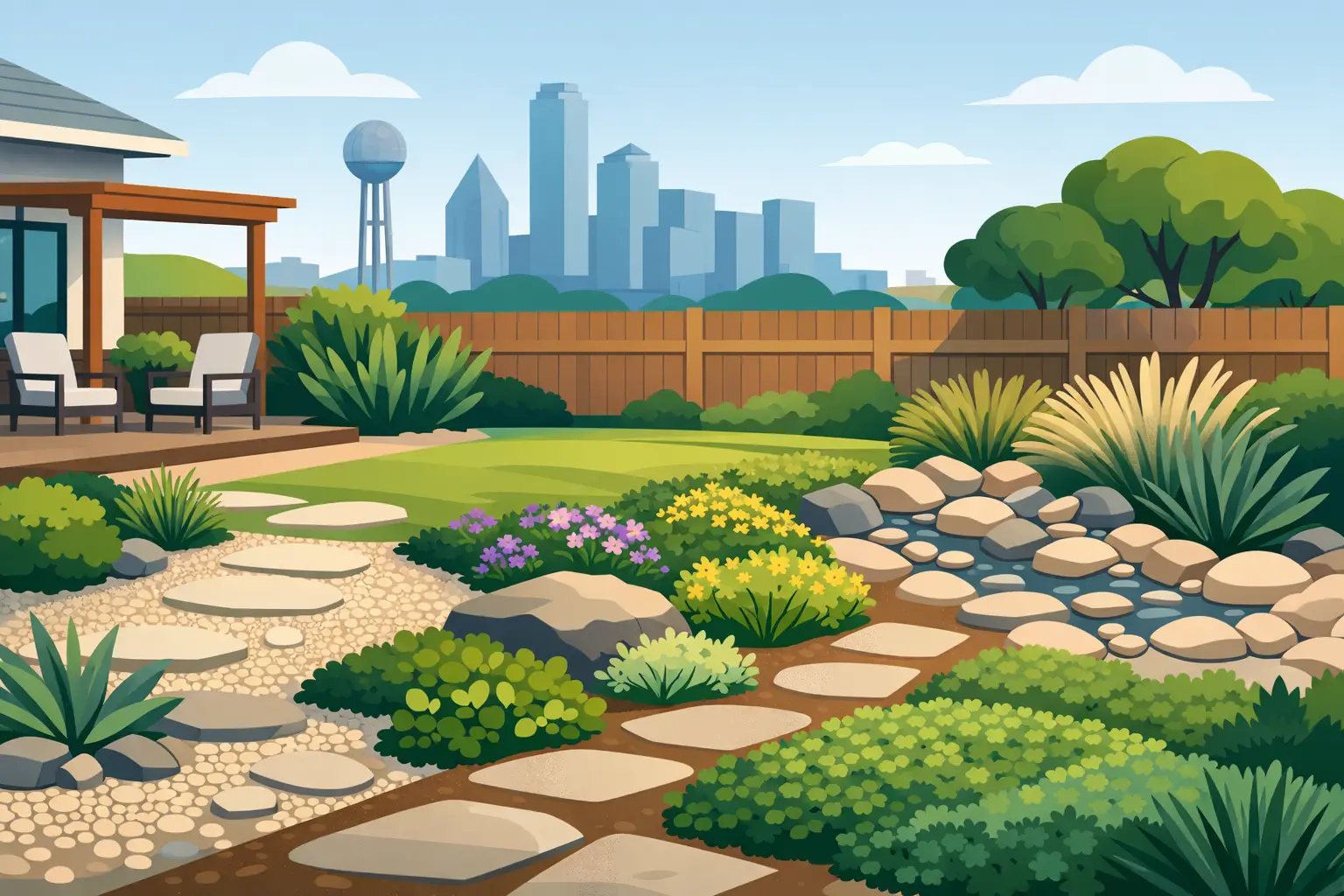
The second is smart design. Shade structures, pergolas, strategic trees, and layout planning can make a real difference. Even partial shade during the hottest hours can improve usability. If the turf is next to a patio, pool, or walkway, it helps to think about how those surrounding surfaces affect the whole area.
The third is moisture. A quick rinse with water can cool artificial turf down temporarily, which is why many homeowners around pools or play areas do this before use. It is not a permanent fix, but it works well when you want immediate relief.
Timing also matters. Turf is usually much more comfortable in the morning, early evening, or on days with cloud cover. If your family uses the yard outside peak heat hours, the surface may be far less of an issue than you expect.
Is artificial turf still worth it in Texas?
For many homeowners, yes. The reason is that heat is only one part of the decision.
Artificial turf gives you a clean, green lawn without mowing, mud, bare patches, fertilizer schedules, or seasonal die-off. It holds up well in pet areas, high-traffic backyards, and spaces where natural grass struggles to stay attractive. For families tired of patchy lawns, drainage problems, or nonstop maintenance, that value is hard to ignore.
The trade-off is that summer surface temperature needs to be planned for honestly. If someone tells you turf has no downside in Texas heat, they are not giving you the full picture. But if the system is chosen carefully and installed by a team that understands local conditions, the benefits can still outweigh the drawbacks.
That is especially true when the project is part of a larger outdoor upgrade. Turf often performs best when it is designed alongside shade, drainage, stonework, and traffic flow instead of being treated like a one-size-fits-all surface.
Does artificial turf get hot enough to be a deal breaker?
Usually, no – but it depends on how you want to use the space. If you expect it to feel exactly like living grass at high noon in August, you will probably be disappointed. If you want a durable, attractive, low-maintenance lawn and you understand how to manage heat, artificial turf can still be a strong investment.
The key is working with an installer who will walk your property, look at sun exposure, ask how your family uses the yard, and recommend the right system instead of the fastest sale. That is the difference between a turf project that looks good on day one and one that actually works for your home long term.
In North Texas, outdoor spaces take a beating from heat, traffic, and water restrictions. A well-built turf installation can still be a smart answer – as long as it is planned with real summer conditions in mind. If you want a backyard that stays sharp, cuts maintenance, and holds up over time, the best next step is a layout and product choice built around how your yard lives in the heat.



Leave A Comment