
A lawn can look great in March and worn out by August. In Dallas, that is the reality for a lot of homeowners dealing with heat, water bills, muddy spots, shade issues, and grass that never seems to stay consistent. So, is artificial grass worth it? For many homeowners, yes – but only when the yard, budget, and long-term goals actually line up with what turf does best.
Artificial grass is not a magic fix for every property. It is a practical upgrade for people who are tired of patchy natural grass, tired of mowing and watering, or tired of looking at a backyard that never quite looks finished. If your main goal is a clean, green lawn with less upkeep and fewer surprises, synthetic turf can be a strong investment.
Is artificial grass worth it in a hot climate?
That question matters more in Texas than it does in a lot of other places. Dallas homeowners are not just choosing between two lawn styles. They are choosing between ongoing lawn maintenance in a hot, dry climate and a surface that stays neat year-round with very little effort.
The biggest advantage of artificial grass is consistency. It does not go dormant in extreme heat, it does not develop bare areas from foot traffic the way natural grass does, and it does not need weekly mowing, edging, fertilizing, or seasonal repair. For busy homeowners, that alone can make the decision easy.
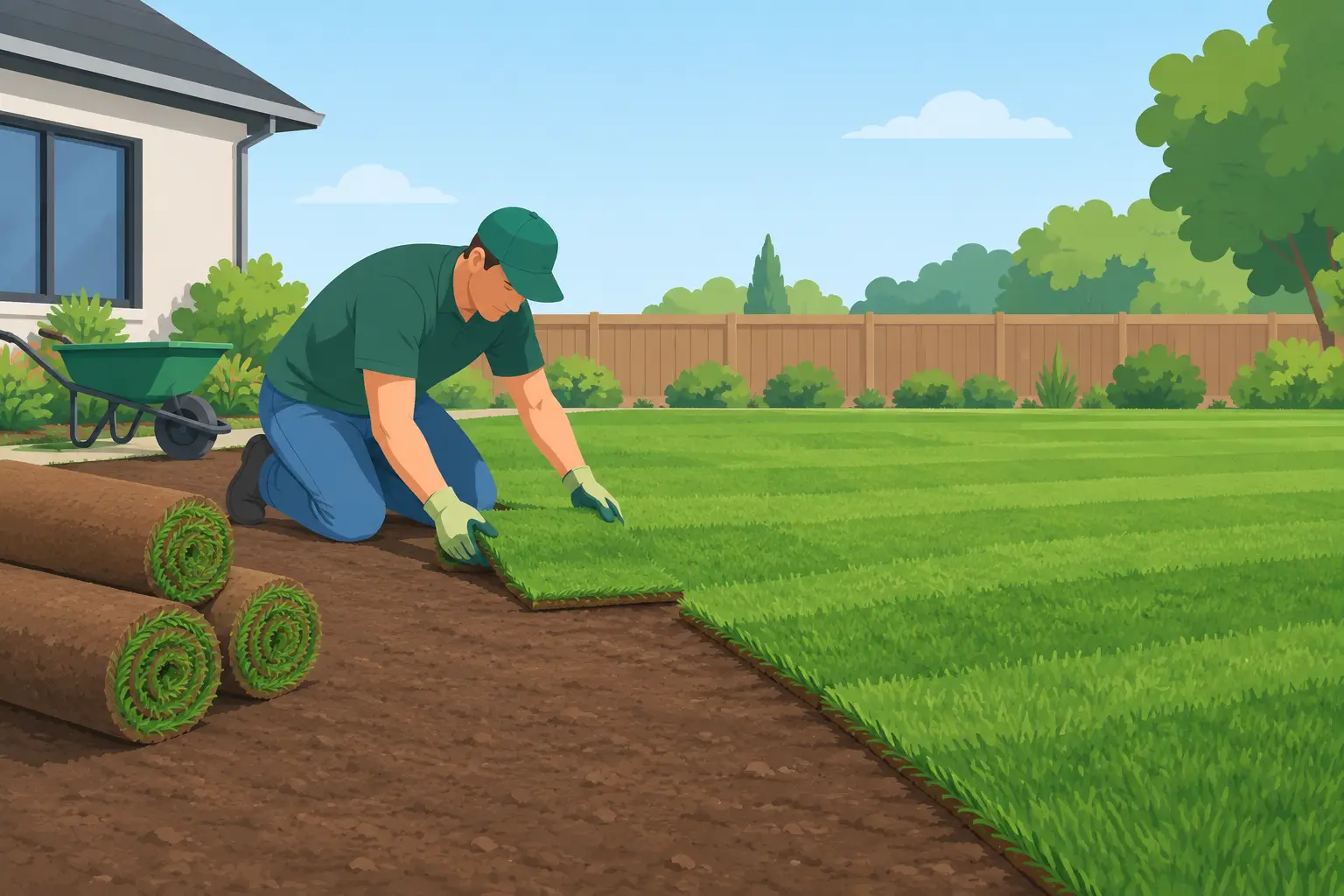
The trade-off is that artificial turf has a higher upfront cost than basic sod installation. You pay more at the beginning because the project involves excavation, base preparation, drainage planning, turf installation, infill, and finishing work. Done right, it is a real landscape improvement, not a quick cosmetic patch.
For homeowners who plan to stay in their home and want a yard that looks finished every day of the year, the value tends to show up over time. For someone looking for the cheapest short-term option, turf may not be the right fit.
Where artificial grass makes the most sense
Artificial grass tends to be most worthwhile when natural grass keeps failing or when maintenance has become more frustration than benefit. That is especially common in backyards with dogs, side yards with poor sunlight, small spaces around pools, and play areas where kids run the same path every day.
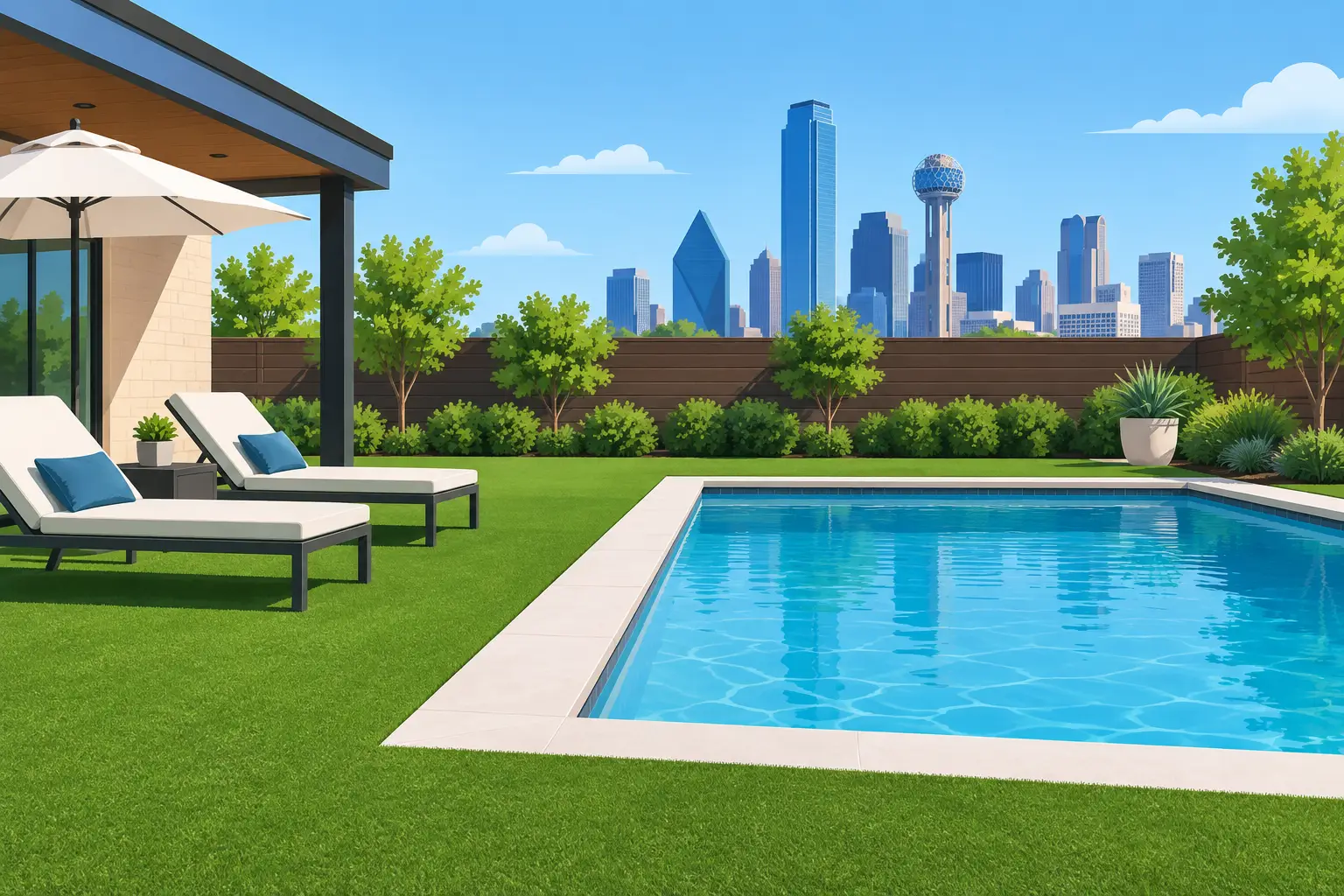
Pool owners often see the value quickly. Natural grass around a pool can turn muddy, wash into the water, and create constant cleanup. Turf creates a cleaner edge and a more polished look. Families with pets also like it because there is no digging up sod, no muddy paws after rain, and no dead spots from repeated use.
It also works well for homeowners who care about curb appeal but do not want to spend every weekend managing the lawn. A good artificial grass installation makes the property look maintained even when life gets busy.
The real cost of turf versus natural grass
A lot of homeowners look at the installation quote for turf and stop there. That is understandable, but it misses the bigger picture.
Natural grass may cost less to install, but it keeps charging you. Watering, mowing, fertilizing, weed control, reseeding, sprinkler repairs, drainage fixes, pest treatment, and replacing dead sections all add up. Even if you hire a lawn crew, those monthly costs continue year after year.
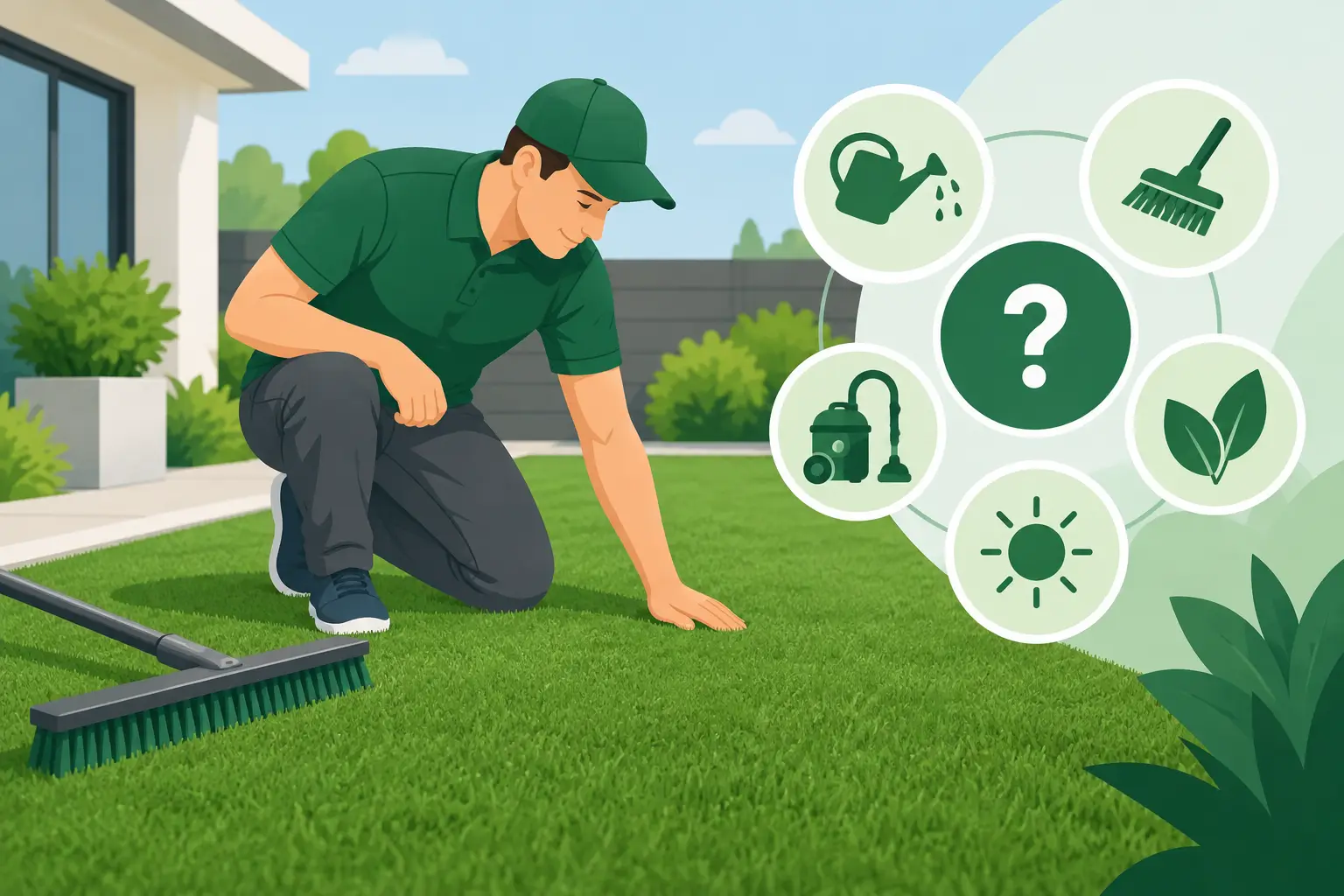
Artificial grass shifts more of the expense to the front end. Once installed correctly, maintenance is light. You may need occasional rinsing, brushing, cleanup, and minor upkeep, but you are not dealing with the same cycle of seasonal lawn work and recovery.
That does not mean turf is always cheaper. It means the cost works differently. If you want low maintenance and long-term predictability, artificial grass can be worth the investment. If you enjoy lawn care or do not mind the recurring expense of keeping real grass healthy, natural turf may still make sense for you.
What about heat?
This is one of the most honest concerns homeowners should ask about. Artificial grass can get hot in direct sun, especially during peak summer in Texas. Anyone telling you otherwise is skipping a real part of the conversation.
That said, heat is manageable in many yards. The way the space is used matters. A backyard with partial shade, good airflow, or a covered patio nearby will feel different from a wide-open area in full afternoon sun. Some turf products also perform better than others when it comes to heat control.
For many families, the answer is not avoiding turf altogether – it is designing the yard properly. That can mean combining turf with pavers, shaded seating, landscape beds, or hardscape features so the space functions better overall. A specialist installer should walk through that with you before the job starts.
How long does artificial grass last?
Quality artificial grass can last many years when installed properly. The key phrase there is installed properly. The turf itself matters, but the base work underneath matters just as much.
If the grading is wrong, if drainage is ignored, or if the material is stretched over a weak foundation, the yard will show problems much sooner. Wrinkles, uneven spots, poor drainage, and edge failure usually point back to installation quality more than the idea of turf itself.
That is why contractor choice matters. Homeowners are not just buying grass. They are buying excavation, prep, drainage, finishing, and workmanship. A clean install from an experienced crew usually pays off longer than a cheap job that has to be corrected later.
Is artificial grass good for pets and kids?
For a lot of Dallas families, this is where turf wins.
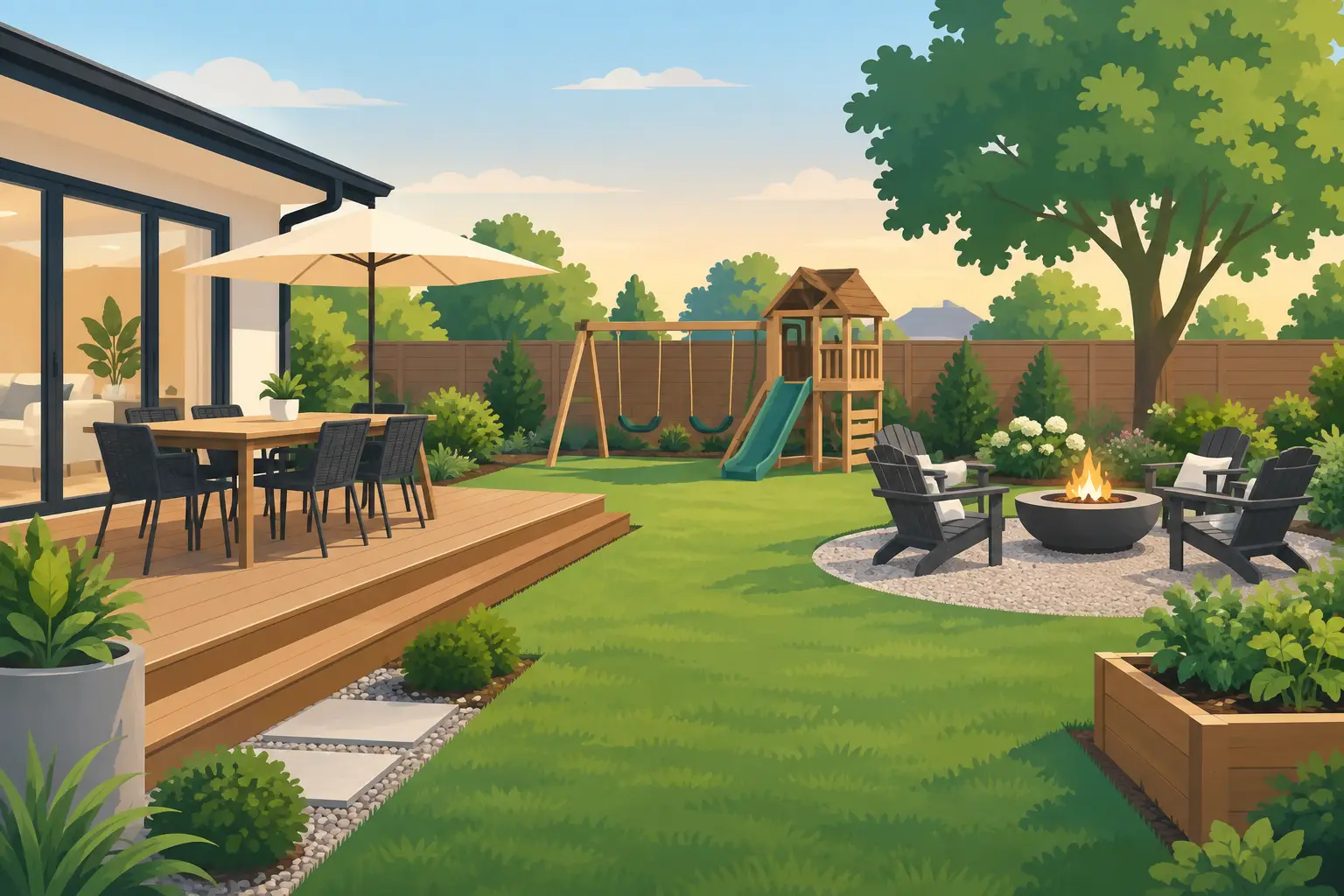
Artificial grass gives kids a cleaner place to play and gives pet owners a yard that holds up better under daily use. Dogs are hard on natural grass, especially in smaller yards. You end up with worn paths, yellow spots, mud after rain, and bare dirt near fences and gates. Turf solves a lot of those everyday frustrations.
For kids, it creates a reliable play surface that stays usable through more of the year. No mowing schedule, no muddy patches, no waiting for sod to recover. That practical convenience is a big reason many homeowners decide the upfront investment is worth it.
Still, not all turf systems are equal. Pet-friendly installations need proper drainage and the right infill choices. If the yard is being built for active family use, that should be part of the planning from day one, not treated like an afterthought.
When artificial grass may not be worth it
There are cases where natural grass is still the better fit. If you love the feel and routine of a real lawn, enjoy yard work, and already have healthy grass that performs well in your space, switching to artificial turf may not give you enough added value.
It may also be less worthwhile if the budget only allows for a rushed or cut-rate installation. Turf is not a product where shortcuts usually end well. If the goal is long-term results, the project needs to be built correctly.
Some homeowners also prefer a mixed landscape instead of wall-to-wall turf. That can be the smartest option. A blend of sod, artificial grass, stone, and planting beds often creates a more balanced outdoor space and keeps the budget focused on the areas that truly need low maintenance.
Is artificial grass worth it for resale and curb appeal?
It can be, especially when the yard currently looks tired or hard to maintain. Buyers notice clean, finished outdoor spaces. A green lawn that looks sharp in every season can help the property show better and feel more move-in ready.
The strongest value usually comes from appearance and convenience rather than a simple dollar-for-dollar return. Homeowners choose turf because they want less maintenance, stronger visual appeal, and a yard they can actually enjoy. Those are real benefits, even if every buyer values them a little differently.
In neighborhoods where outdoor living matters, a well-designed turf installation can absolutely improve the overall impression of the property. It looks intentional, neat, and easier to maintain, which appeals to plenty of buyers.
The bottom line on whether artificial grass is worth it
If your lawn is a constant battle, artificial grass is often worth it. It gives you a cleaner look, lower maintenance, better durability, and a more dependable outdoor space in a climate that can be tough on natural grass.
If you are mainly focused on the lowest upfront price, it may not be the answer. But if you want a yard that stays attractive, holds up to kids and pets, and cuts out a lot of the weekly work, turf is a smart long-term upgrade.
The best results come from treating it like a real improvement project, not just a surface swap. When the layout, drainage, materials, and installation are handled by specialists, artificial grass stops being a question mark and starts feeling like money well spent. If you want a backyard that looks finished when you step outside, that is where the value becomes easy to see.

Leave A Comment