 Skip to content
A great-looking yard can disappear fast when dogs turn the same patch of grass into a racetrack, digging zone, and bathroom spot. The right yard makeover for pet owners is not about making your backyard look too precious to use. It is about building an outdoor space that stands up to paws, heat, muddy weather, and everyday family life while still looking clean from the patio.
For Dallas-Fort Worth homeowners, that usually means thinking beyond grass alone. Summer heat, clay soil, sudden downpours, and active pets can create a yard that stays patchy, muddy, or worn out no matter how much time you spend maintaining it. A smart design combines pet-friendly turf or sod, proper drainage, durable hardscapes, and clear areas for play and cleanup.
Start With How Your Pets Actually Use the Yard
Before choosing materials, watch the traffic patterns. Most dogs do not use the entire yard evenly. They run the fence line, pause near gates, dig in cool shaded corners, and return to the same bathroom area. Designing around those habits prevents you from installing a beautiful lawn that is worn down within a season.
A large, high-energy dog needs a tougher surface than a small dog that spends most of its time sunbathing near the back door. Multiple pets create more traffic and more odor-control needs. If your dog loves to dig, it may make sense to reserve a specific area with pet-safe loose material rather than expecting any lawn surface to stop that behavior completely.
Think about how the people in your home use the space, too. A backyard may need room for a grill, patio furniture, children’s play equipment, a pool deck, and an open area for fetch. Good landscaping should give each activity a place instead of forcing everything onto one stressed patch of lawn.
Choose a Lawn Surface Built for Paws
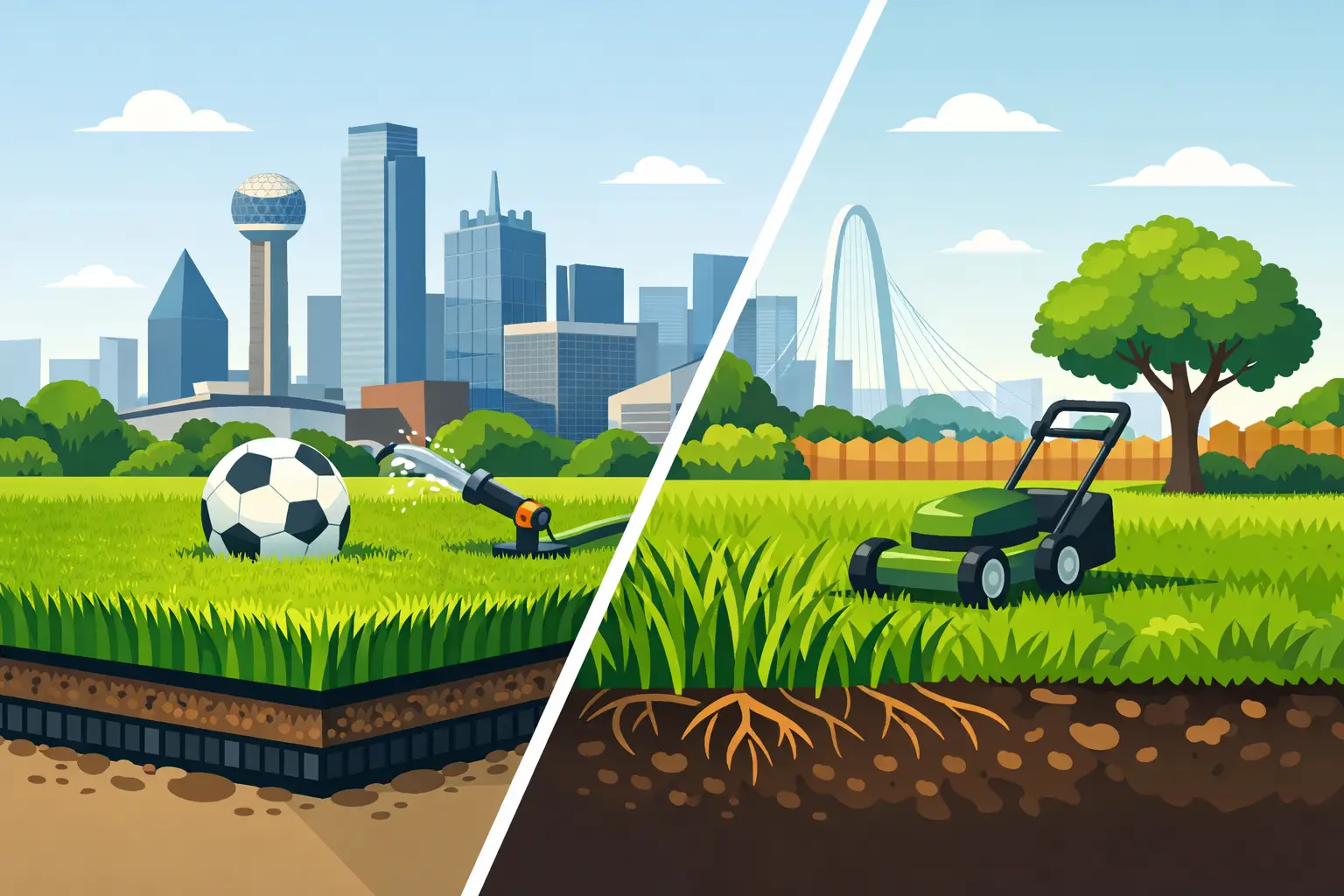
The lawn is often the biggest decision in a pet-friendly backyard. Natural sod and artificial grass can both work well, but they solve different problems.
When Artificial Turf Makes Sense
Quality artificial turf is a strong option for families tired of mud, bare spots, and constant reseeding. It gives dogs a consistent surface to run on, and it keeps the yard green through intense Texas heat without weekly mowing, watering, or fertilizer schedules. For many pet owners, the biggest benefit is walking outside after rain without finding muddy paw prints headed straight for the living room.
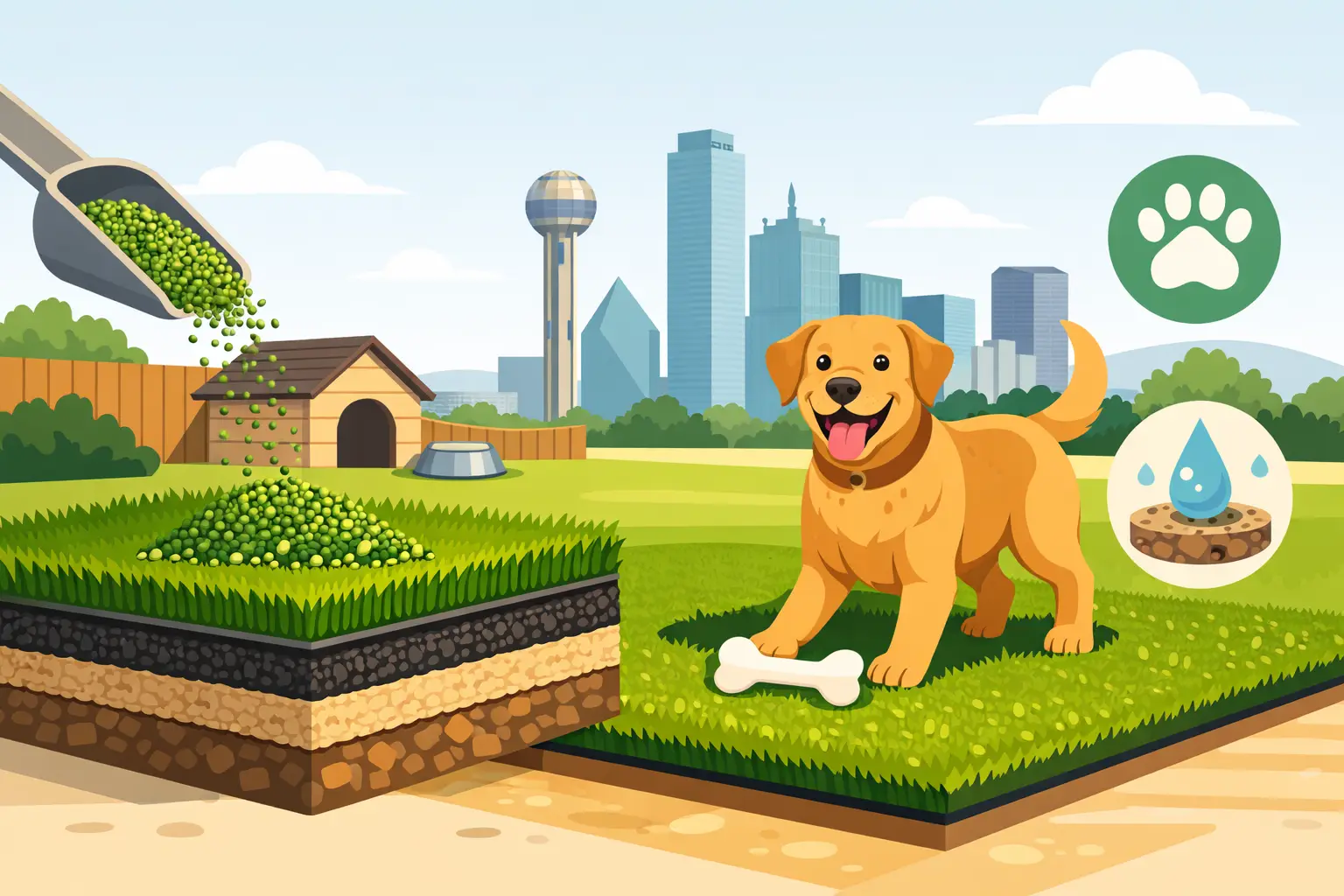
Pet-focused synthetic turf systems should be installed with more than appearance in mind. Proper base preparation, drainage layers, and infill choices matter. Urine needs a path to drain through the surface rather than pooling below it, and the base should remain stable under repeated traffic. A turf installer should also make sure seams are secure and edges are finished cleanly so active dogs cannot lift or damage the material.
Turf is low maintenance, not no maintenance. Solid waste still needs prompt removal, and pet areas should be rinsed as needed. Homes with several dogs may benefit from periodic deodorizing treatments. In direct sun, turf can also feel warm during the hottest parts of a North Texas afternoon, so shade and access to water are still part of the plan.
When Natural Sod Is the Better Fit
Fresh sod offers the look and feel of a natural lawn, and some homeowners prefer it for large yards where pets have room to spread out. The trade-off is maintenance. Dogs can wear down natural grass quickly, especially around fences, gates, and narrow side yards.
The right grass selection and a healthy installation can improve your odds. Warm-season varieties that handle heat and traffic are generally a better match for Texas yards than delicate grass types. Even then, sod needs time to establish before heavy use. If you install new sod, plan for a short adjustment period where your dog uses another area of the yard.
Natural grass also requires irrigation, mowing, and occasional repair. It can be the right choice when you want a traditional lawn and your pets have moderate activity levels, but it is not the easiest answer for a small backyard with two large dogs.
Drainage Is What Keeps a Pet Yard Clean
A pet-friendly yard should dry quickly after rain and irrigation. Standing water creates mud, unpleasant odors, mosquito issues, and soft spots that quickly become damaged under paws. In many Dallas-area properties, compacted soil and grading issues make drainage just as important as the surface you choose.
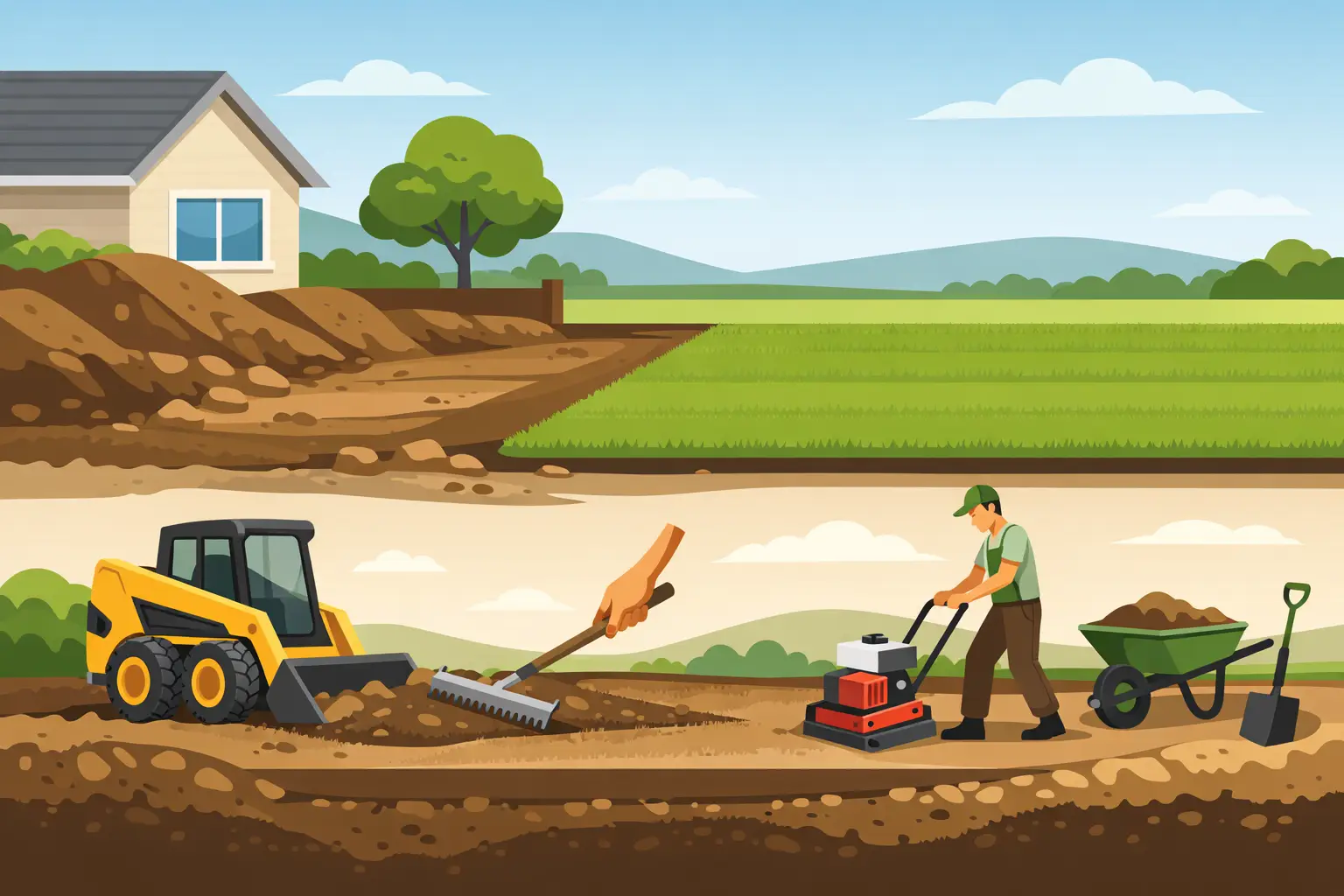
A professional yard plan may include grading adjustments, French drains, channel drains, catch basins, or a compacted base beneath artificial turf. The goal is straightforward: move water away from the home and prevent it from sitting where pets play or relieve themselves.
Do not cover a drainage problem with turf, sod, gravel, or a new patio and hope it goes away. That usually creates a more expensive repair later. Water should be addressed early, before final surfaces are installed. This is one of the areas where a full-service landscaping contractor can save time by coordinating the groundwork, surface installation, and hardscape work as one project.
Add Hardscapes Where Grass Always Loses
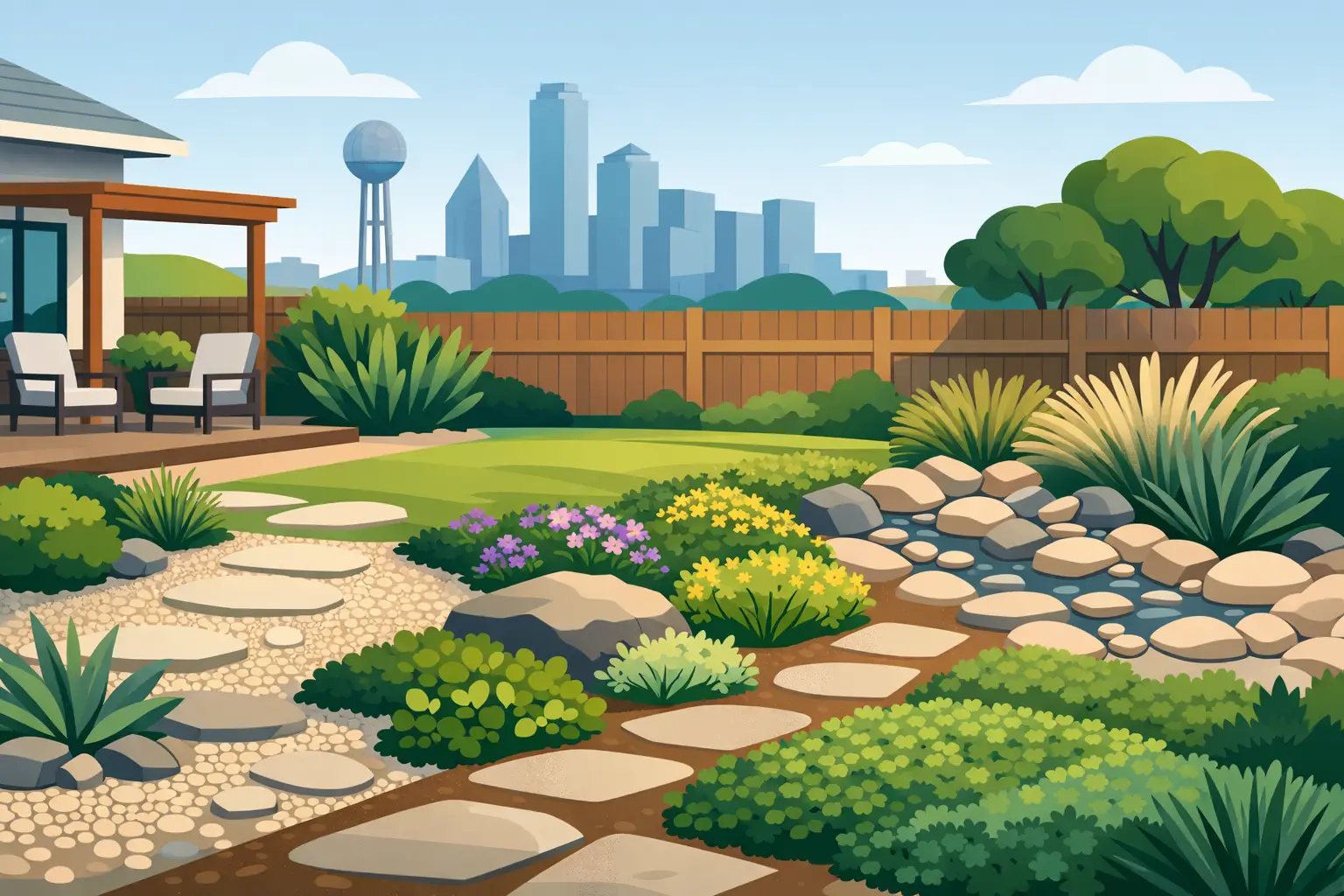
Some parts of a yard simply receive too much use for lawn to survive. A flagstone path from the back door to the gate, a paver landing near the patio, or a clean walkway around a pool can eliminate recurring muddy routes without making the backyard feel like concrete.
Hardscapes also give pet owners easier cleanup zones. A well-planned patio can hold water bowls, outdoor beds, and feeding stations away from the lawn. Retaining walls can help manage slopes and define planting beds, while a small enclosed run can give dogs a secure place to go when guests are outside or service crews need access.
Material choice matters. Smooth surfaces can become slick when wet, and dark materials may get hot in full sun. Textured stone, properly spaced pavers, and shaded sections often provide a more comfortable footing. The best choice depends on your dog’s age, size, mobility, and how much direct afternoon sun the space receives.
Build Shade, Boundaries, and Safer Planting Areas
Texas summers are hard on pets, especially in backyards with little cover. Shade can come from existing trees, a covered patio, a pergola, or strategically placed structures. It does not need to cover the entire yard, but your dog should have a dependable place to cool down during outdoor time.
Fencing deserves attention during a makeover as well. Check for loose boards, gaps under gates, and areas where a determined dog can dig out. If your pet runs the fence line, consider using a durable surface along that path rather than repeatedly repairing the grass.
Plant beds should be designed with pets in mind. Avoid placing delicate plants where dogs naturally run, and keep mulch, rocks, and edging secured so they are not easily scattered or chewed. If you are unsure whether a plant is safe for your pet, verify it before installation. Attractive landscaping should not come with an avoidable safety risk.
Create a Dedicated Pet Relief Area
For some homes, especially those with small yards or multiple dogs, a defined relief area makes maintenance much easier. This can be a section of pet turf, decomposed granite, gravel selected for comfortable footing, or a durable natural grass area designed for that purpose.
Location is key. Place it where the dog can reach it easily, but not directly beside your main entertaining space. Make sure it drains well and can be rinsed without sending water toward the house or patio. A separate relief zone will not eliminate cleanup, but it can keep the rest of the yard looking better for longer.
Get the Installation Details Right
A polished pet yard depends on what happens below the finished surface. Uneven grading, weak base material, poor edging, or skipped drainage work can shorten the life of even the best turf, sod, stone, or pavers. Clean installation matters because it protects the investment and keeps the property usable throughout the project.
Sod Green helps Dallas-Fort Worth homeowners plan complete outdoor upgrades, from artificial grass and sod installation to drainage, flagstone, patios, retaining walls, and walkways. The right project is tailored to the property, the pet, and the way your family wants to use the backyard.
Your pets should not be the reason you settle for a worn-out yard. With durable surfaces, thoughtful drainage, and room to play, your backyard can stay comfortable for your animals and ready for the people who enjoy it with them.


Leave A Comment