 Skip to content
A few brown spots after a Dallas summer do not always mean your lawn is finished. But when should you replace sod instead of spending another season watering, fertilizing, and hoping the grass fills back in? The answer usually comes down to coverage, root health, drainage, and whether the lawn can realistically recover.
Fresh sod creates an immediate improvement in curb appeal, but replacement should solve the cause of the problem – not simply cover it up. If compacted soil, poor drainage, shade, pets, or heavy foot traffic caused the original lawn to fail, those issues need attention before new turf goes down.
When Should You Replace Sod Instead of Repairing It?
Repair makes sense when damage is limited and the surrounding lawn is healthy. A few thin areas, a small section damaged by a sprinkler issue, or seasonal stress can often be corrected with proper watering, soil care, and targeted sod patches.
Replacement becomes the better investment when the lawn has widespread decline or the existing grass is no longer a good fit for the property. If more than roughly one-third to one-half of the yard is bare, thinning, or overrun with weeds, patching can leave the finished lawn uneven in color, texture, and density. At that point, a clean removal and professional installation often produces a better-looking result with less wasted effort.
Here are eight clear signs it may be time to start over.
1. Bare Areas Keep Coming Back
A bare patch that returns after every repair is telling you something. It may be caused by poor soil, inadequate sunlight, pet traffic, grub damage, compacted ground, or water pooling in the same place. Replacing only the grass without correcting that condition usually leads to the same result.
For a heavily used backyard, especially one with kids and dogs, a durable sod variety or artificial grass may be a more practical long-term choice than repeated patch jobs.
2. Weeds Have Taken Over the Lawn
A few weeds are normal in North Texas. A lawn that is mostly weeds is different. When weeds outcompete the grass across large sections of the yard, the existing sod may be too thin and weak to recover on its own.
You can treat weeds before installation, but replacement is often the cleanest route once turf coverage is poor. Proper site preparation matters here. Removing old vegetation, preparing the soil, and installing healthy sod gives the new lawn a real opportunity to establish.
3. The Sod Pulls Up Easily
Healthy sod develops roots that anchor it into the soil below. If you can lift pieces of grass easily weeks or months after installation, the roots may not be establishing properly. This can happen because of improper watering, poor soil contact, shallow irrigation, excessive heat stress, or installation over an unprepared surface.
New sod should not be laid over a weak base. A professional assessment can determine whether the issue is a watering correction, soil amendment, drainage repair, or full replacement.
4. Water Pools After Rain or Irrigation
Standing water is one of the fastest ways to damage a lawn. Roots need oxygen, and soil that stays saturated can lead to yellowing grass, fungal problems, soft ground, and bare spots. Dallas-Fort Worth properties often have heavy clay soil, which can make drainage a challenge even on a relatively flat yard.
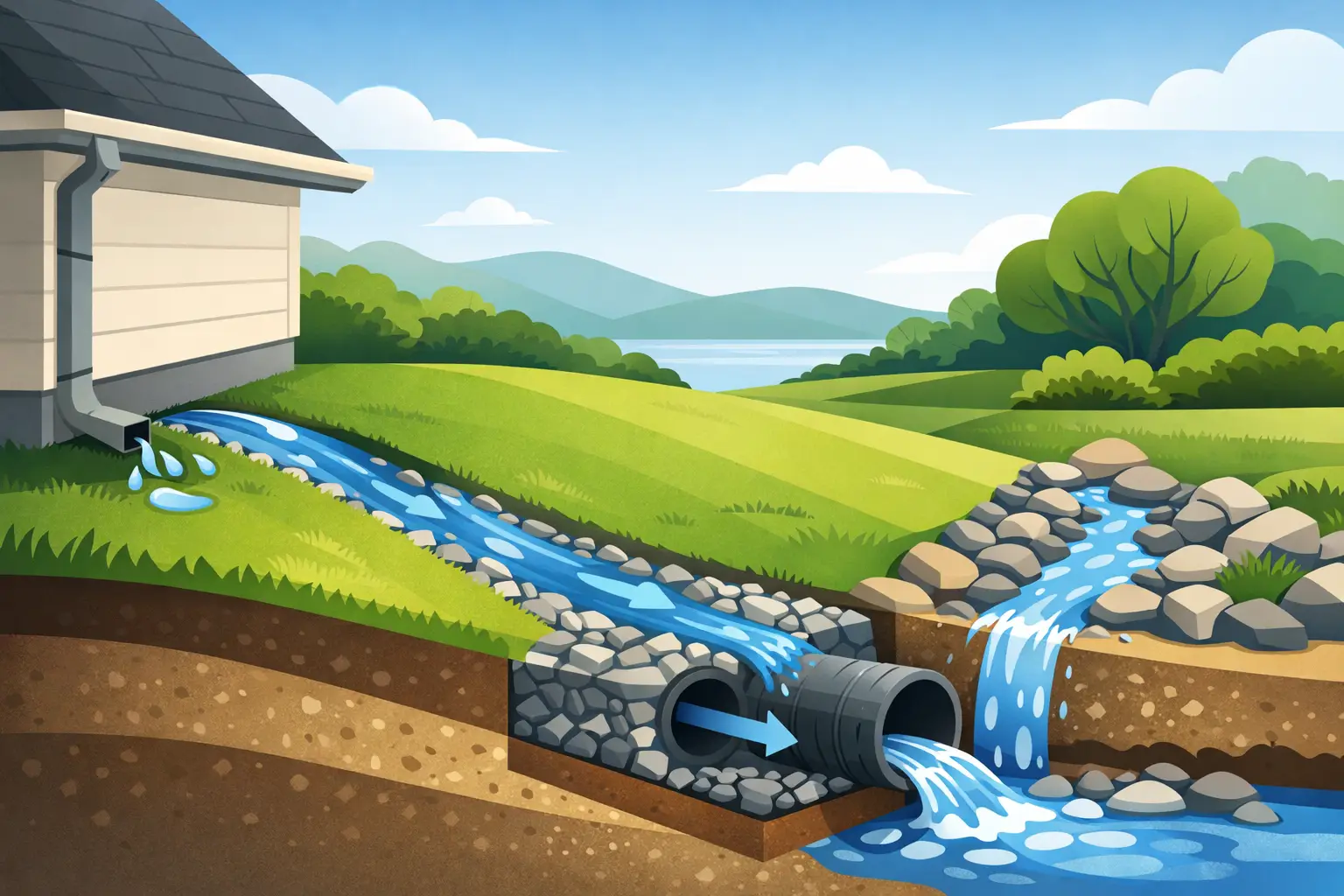
If puddles remain long after rain or irrigation stops, address grading and drainage before installing new sod. This may involve leveling low areas, adjusting the irrigation system, improving soil conditions, or adding a drainage solution. Fresh sod looks great on day one, but it cannot overcome a drainage problem by itself.
5. The Lawn Is Mostly Thatch or Dead Grass
Thatch is the layer of stems, roots, and organic debris between green grass and the soil. A thin layer can be normal, but a thick, spongy layer prevents water and nutrients from reaching the roots. It can also make a lawn feel uneven underfoot.
If the grass is dead across wide areas and the surface is full of thatch, replacing the sod may be more efficient than trying to revive it. The old material should be removed so the new sod can make direct contact with prepared soil.
6. Your Grass Does Not Match Its Growing Conditions
Not every grass type performs well in every part of a yard. Bermuda needs substantial sun and struggles in heavy shade. St. Augustine can tolerate more shade but has its own water and maintenance demands. Zoysia offers a dense appearance but may establish more slowly and can be affected by traffic and shade depending on the variety.
A lawn that fails year after year beneath mature trees, beside a covered patio, or in a high-traffic dog run may not have a maintenance problem. It may have a grass-selection problem. Replacing sod with a better-matched variety can change the outcome. In areas where natural grass cannot receive enough sun or withstand daily use, quality synthetic turf can eliminate the cycle of mud, bare spots, and constant repairs.
7. Insects, Disease, or Pet Damage Are Widespread
Grubs, chinch bugs, fungal disease, and pet urine can all damage turf. The key question is whether the damage is isolated and treatable or spread throughout the lawn. Small areas may recover after the underlying issue is treated. Extensive damage, especially when the root system is compromised, can justify replacement.
Do not install new sod before identifying the source. Treat insect activity, correct watering habits, and remove dead material first. For pet-heavy yards, consider creating a designated turf area with proper drainage or choosing an artificial grass system designed for dogs. The right base and drainage details make a major difference in odor control and cleanup.
8. You Want a Different Kind of Outdoor Space
Sometimes the sod is not technically failing. It simply no longer fits how you use your property. A homeowner may be tired of weekly mowing, water bills, muddy poolside grass, or a backyard that cannot handle entertaining and play.
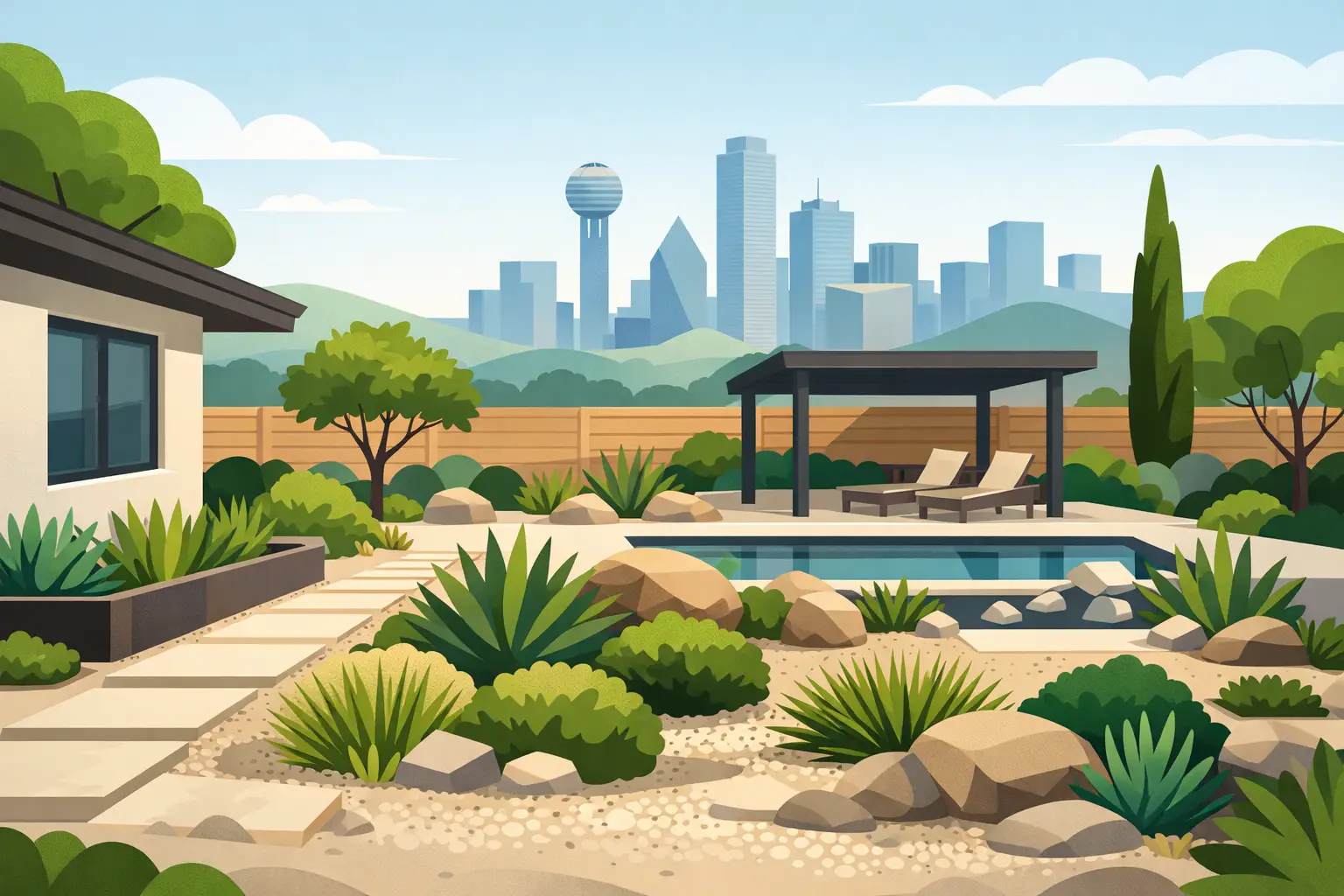
Replacing sod can be part of a larger upgrade. Artificial grass can create a clean, low-maintenance surface around a pool, under a playset, or in a narrow side yard. Natural sod can soften a hardscape-heavy yard and improve curb appeal. A putting green, flagstone patio, walkway, or drainage improvement can turn an underused space into a backyard that works harder for the family.
Best Time to Replace Sod in Dallas-Fort Worth
Sod can be installed during much of the year in North Texas when the ground is workable and the installation plan accounts for weather. Spring and early fall are often comfortable windows because temperatures are less extreme and new roots can establish with consistent watering.
That said, summer sod installation is common and can be successful with disciplined irrigation. New sod installed during hot weather needs close attention, particularly during the first few weeks. The surface and root zone must stay properly moist without becoming waterlogged. Winter installation can also work for dormant warm-season grasses, though active rooting slows and cold snaps require careful timing.
The best time is often when you are ready to prepare the site correctly and commit to the initial watering schedule. Waiting for a perfect week of weather can delay a project, while installing at the wrong time without a plan can waste money.
What Happens Before New Sod Is Installed?
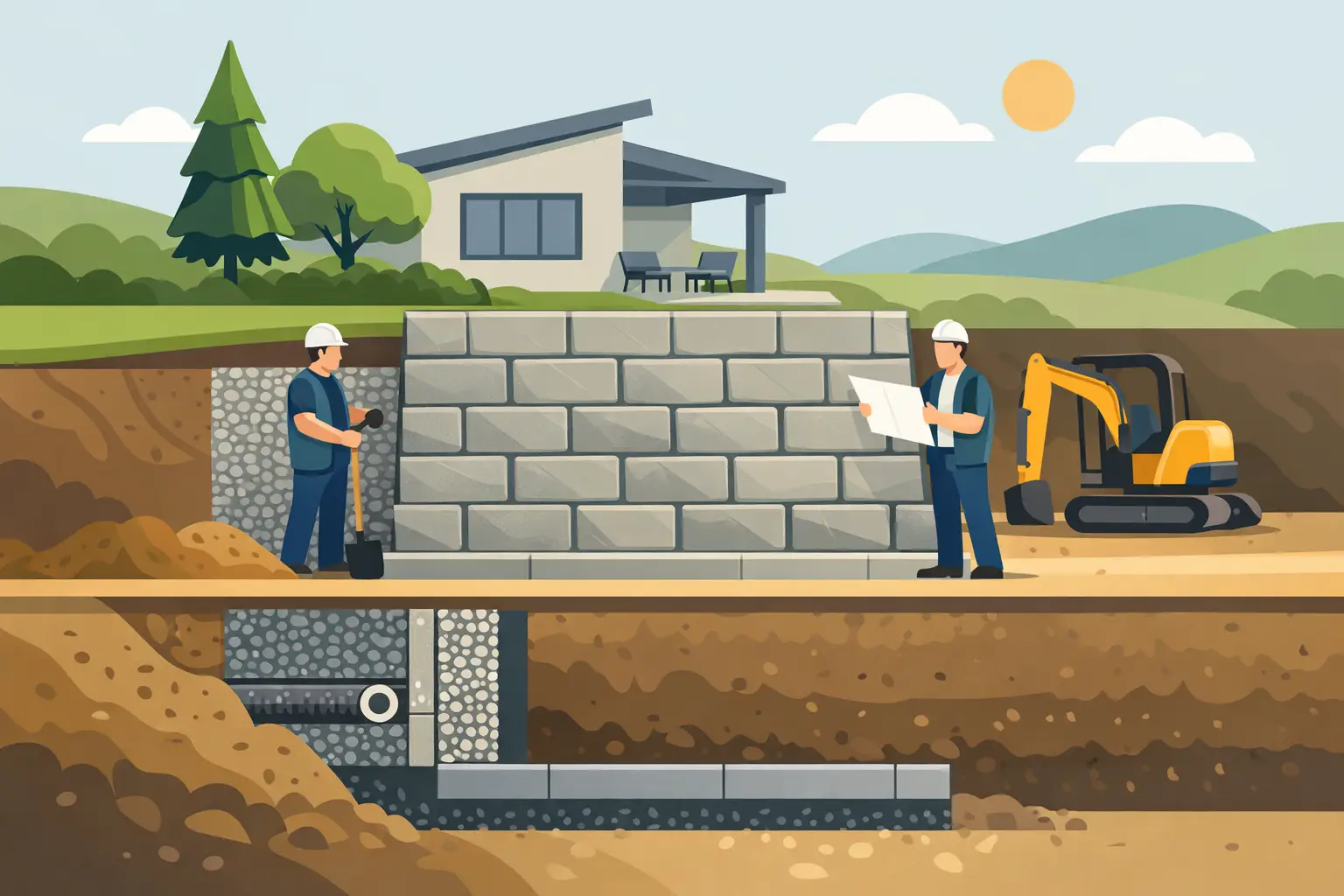
A lasting lawn replacement starts below the surface. Old turf, weeds, and debris should be removed. The area is then evaluated for grade, drainage, irrigation coverage, soil compaction, and sun exposure. Low spots should be corrected before the sod arrives, not after water begins collecting there.
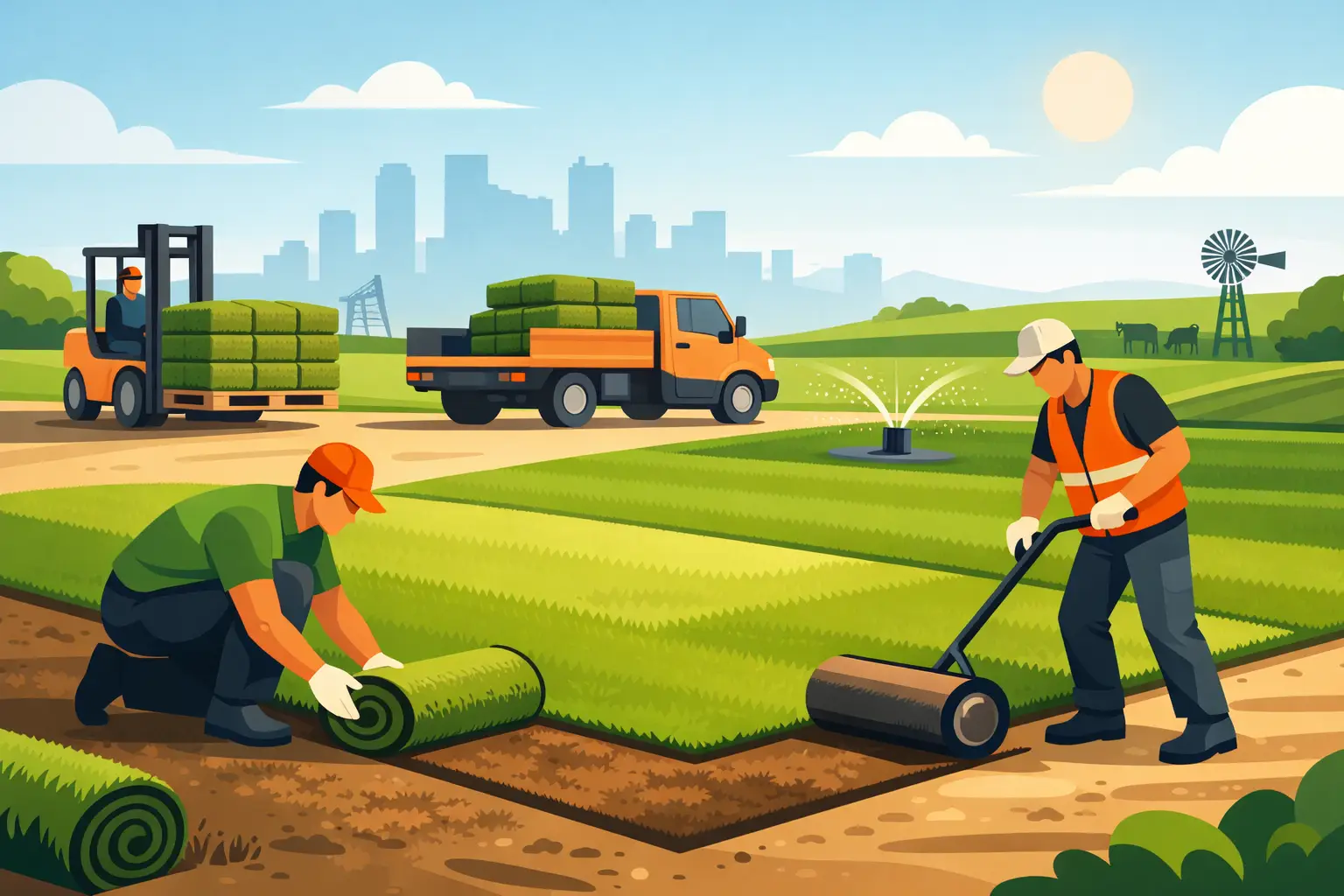
The soil is prepared and leveled to create proper contact with the sod. Fresh pieces are installed tightly, seams are staggered, and the lawn is rolled or pressed into the soil. Clean edges around beds, walkways, and hardscape features give the finished project a sharper appearance.
After installation, watering is the homeowner’s most important job. New sod needs consistent moisture while it establishes, followed by a gradual transition to deeper, less frequent watering. Avoid heavy foot traffic until the roots have taken hold. Mowing too early or cutting too short can stress a new lawn before it is ready.
Natural Sod or Artificial Grass?
Natural sod remains a great choice for homeowners who want the look and feel of real grass and do not mind routine mowing, watering, and seasonal care. It can cool outdoor spaces and provide a classic lawn appearance when installed in the right conditions.
Artificial grass is worth considering when shade, pets, traffic, water use, or maintenance are ongoing frustrations. It is not the right answer for every yard, and proper installation is critical. A well-built synthetic turf system needs a stable base, drainage planning, secure edges, and materials suited to the intended use. Done correctly, it provides a polished surface that stays green through heat, rain, and busy weekends.
If your lawn has become a recurring project instead of a place to enjoy, do not settle for another temporary patch. A qualified installation team can identify what caused the failure and build a yard that looks better, drains better, and fits the way you actually live.


Leave A Comment