 Skip to content
A North Texas lawn can go from thick and green to stressed and patchy in a few hot weeks. That is why water saving landscaping trends are moving beyond simple sprinkler adjustments. Dallas homeowners are choosing yards built to look finished through long stretches of heat, use less irrigation, and require far less weekend upkeep.
The best results do not come from one product or one plant. They come from a smart layout that puts water where it delivers value and removes high-maintenance areas that continually struggle. For many properties, that means combining turf, hardscape, drainage improvements, shade, and drought-tolerant planting into one practical plan.
Water Saving Landscaping Trends That Work in North Texas
The strongest trend is not a bare, gravel-heavy yard. Homeowners still want curb appeal, usable play areas, and outdoor spaces that feel comfortable. The difference is that they are becoming more selective about where live grass makes sense.
Artificial grass in high-use areas
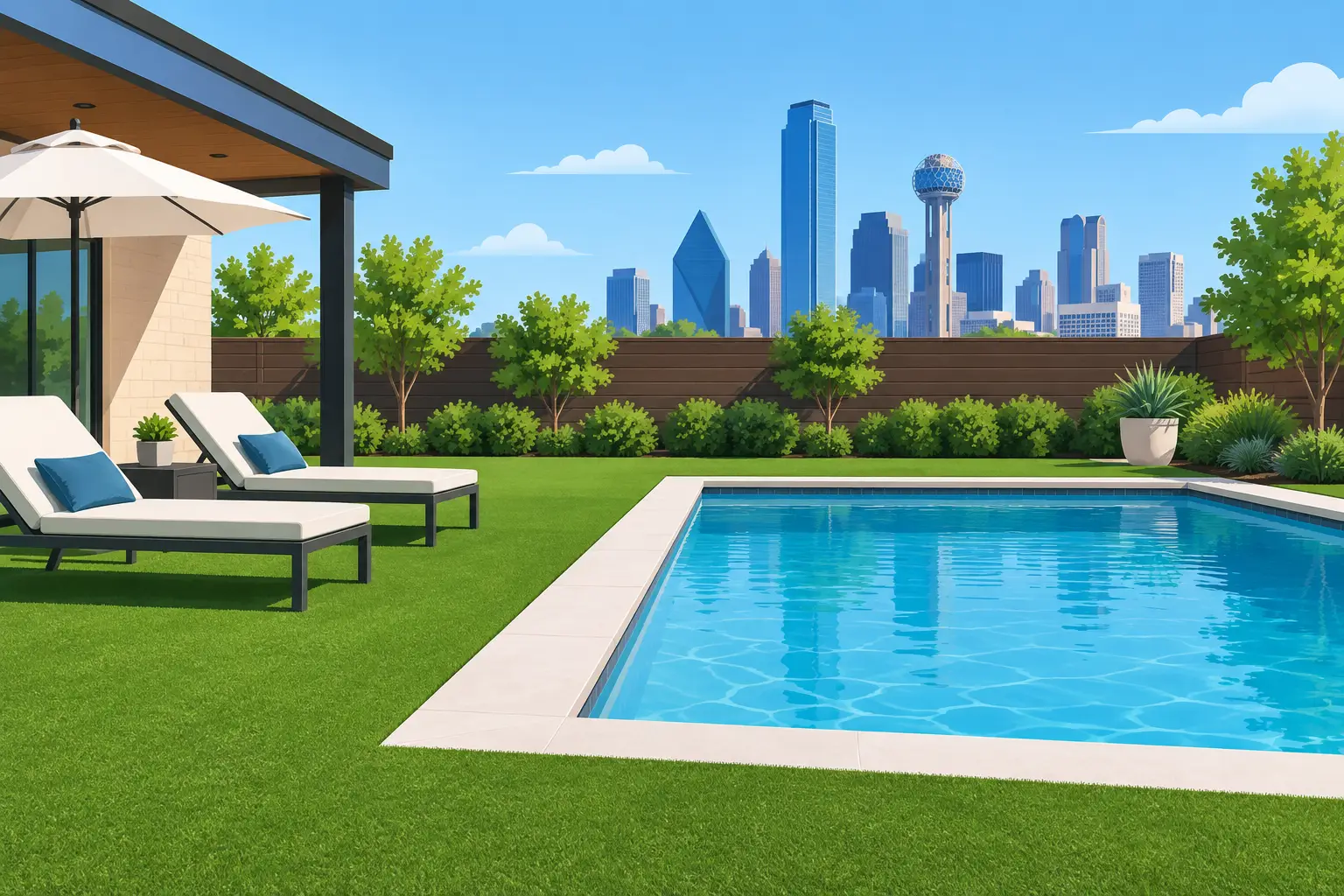
Artificial grass continues to be a practical water-saving option for front-yard focal points, side yards, pet runs, pool surrounds, and play spaces. It delivers a clean green appearance without regular watering, mowing, fertilizing, or reseeding. For families with kids and pets, it also holds up better than natural grass in areas where traffic quickly creates bare spots.
A quality installation matters. The base must be properly prepared and compacted, edges need to be secured, and drainage needs to move water away from the surface. Poorly installed turf can hold odors, develop uneven spots, or create drainage problems after heavy rain. A professional system costs more upfront than scattering seed or laying a few rolls of sod, but it can eliminate a major share of ongoing lawn water use.
Artificial grass is not the right answer for every square foot of a property. Some homeowners prefer the cooling effect and natural feel of live grass in a larger backyard. Others have HOA standards or want a mixed landscape. Using synthetic turf where the yard gets the most wear often provides the best balance of appearance, function, and long-term value.
Smaller, better-planned natural sod lawns
Natural sod is still a great choice for Dallas yards, especially when homeowners want a soft, living lawn for children, pets, or entertaining. The water-saving shift is toward installing the right grass in a realistic footprint instead of trying to maintain a large, thirsty lawn in every corner of the property.
Warm-season grasses such as Bermuda and Zoysia can be well suited to North Texas conditions, though they have different strengths. Bermuda handles direct sun and active use well, while Zoysia is often valued for its dense growth and refined appearance. Neither grass is maintenance-free, and both need water to establish properly. The goal is to avoid wasting irrigation on narrow strips, deep-shade areas, or slopes where grass repeatedly fails.
A smaller sod area framed by beds, stone, or turf can look more intentional than a large lawn with recurring brown patches. It also makes mowing, edging, and seasonal care more manageable.
Drip irrigation and smarter sprinkler zones
Traditional sprinkler systems often waste water because every zone runs on the same schedule, regardless of sun exposure, soil conditions, or plant type. A front lawn in full afternoon sun does not need the same watering pattern as a shaded planting bed.
Drip irrigation is gaining traction for trees, shrubs, and landscape beds because it applies water close to the root zone. That reduces evaporation and keeps water off sidewalks, driveways, and fence lines. For sod areas, properly adjusted spray heads or rotary nozzles can help prevent runoff and dry spots.
Smart controllers add another layer of control by adjusting schedules based on local weather conditions. They are useful, but they are not a substitute for good design. If heads are misaligned or the yard drains poorly, a smart controller will not fix the underlying issue. Homeowners should still inspect their system regularly and adjust for seasonal watering restrictions.
Native and drought-tolerant planting beds
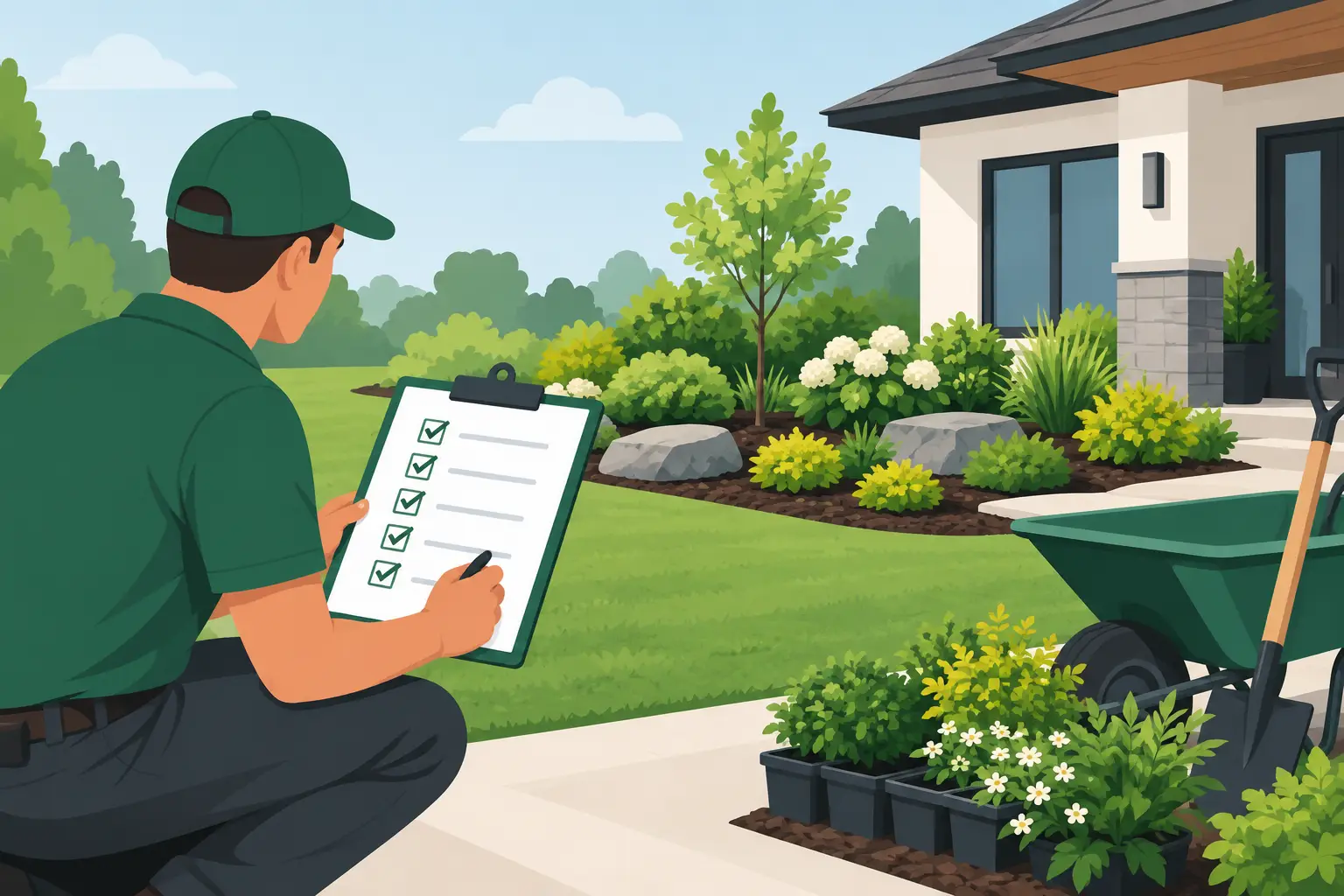
Landscape beds are replacing difficult lawn sections across Dallas-Fort Worth, particularly along foundations, fences, mailboxes, and property edges. The best water-wise beds use plants selected for heat tolerance, mature size, and sun exposure rather than relying on frequent watering to keep unsuitable plants alive.
Texas sage, lantana, ornamental grasses, yucca, agave, rosemary, and many native perennials can add color and structure with less irrigation once established. A layered design with trees, shrubs, and lower-growing plants creates a fuller look than planting one variety in a straight line. It also gives the yard more visual interest when summer heat slows lawn growth.
Mulch is a simple but valuable part of this trend. It helps retain moisture, reduces weeds, and gives beds a finished appearance. Stone can also work in the right setting, but it should be used thoughtfully. Large expanses of decorative rock can reflect heat and make a sunny yard feel hotter. Mixing stone accents with planting, shade, and functional hardscape usually creates a more comfortable result.
Hardscape that earns its space
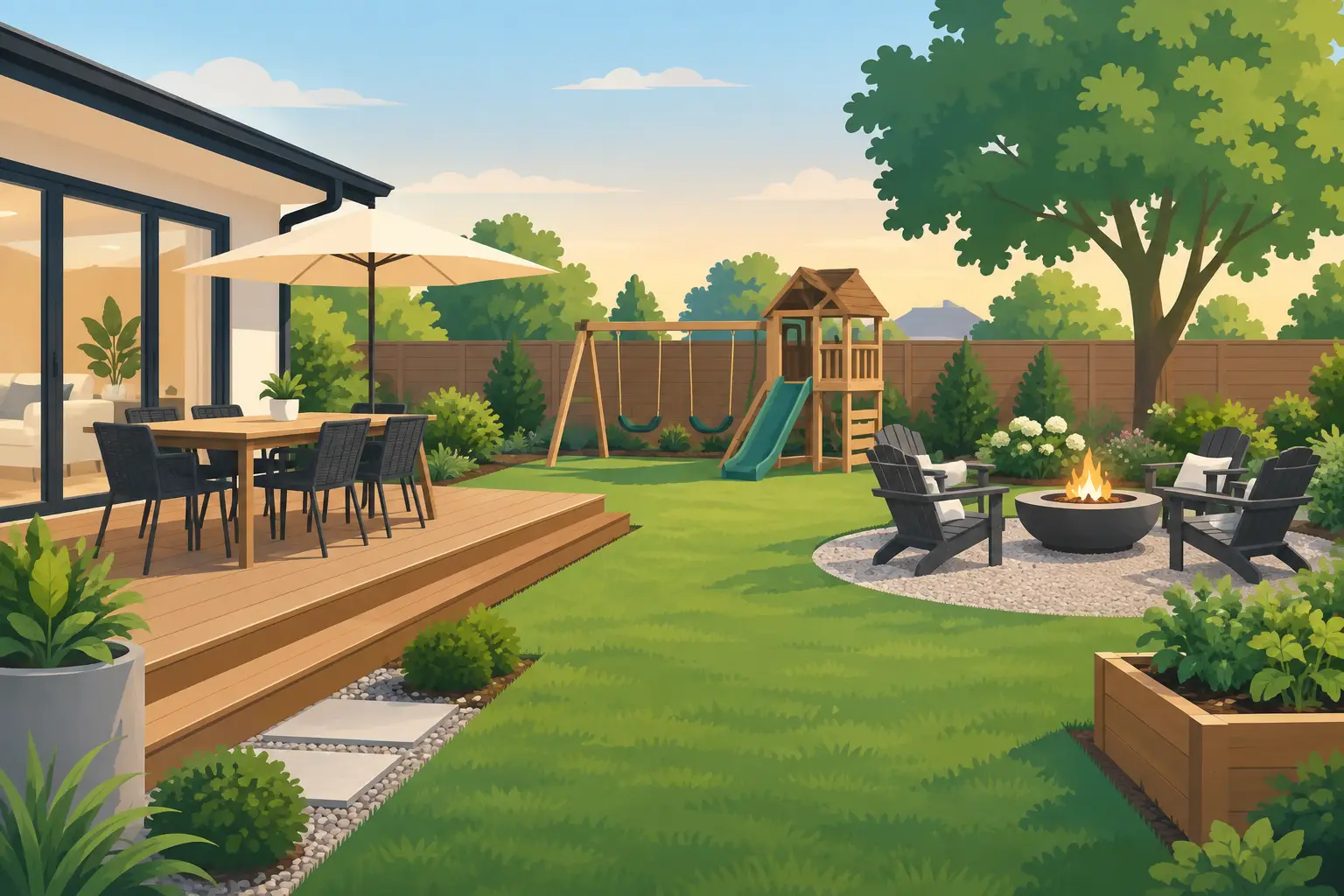
Patios, flagstone walkways, retaining walls, and seating areas are becoming central to water-saving landscape plans. They reduce the amount of lawn that needs irrigation while making the property more useful for grilling, relaxing, and hosting family gatherings.
The key is to build hardscape with drainage in mind. Water should be directed away from the home and should not collect against patio edges or low points in the yard. Permeable materials and properly graded surfaces can help manage rainfall, but the right approach depends on the property’s soil, elevation, and existing drainage issues.
A well-built patio is not simply a water-saving feature. It turns unused lawn into an outdoor living area that can add daily value to the home.
Design for Shade, Drainage, and Daily Use
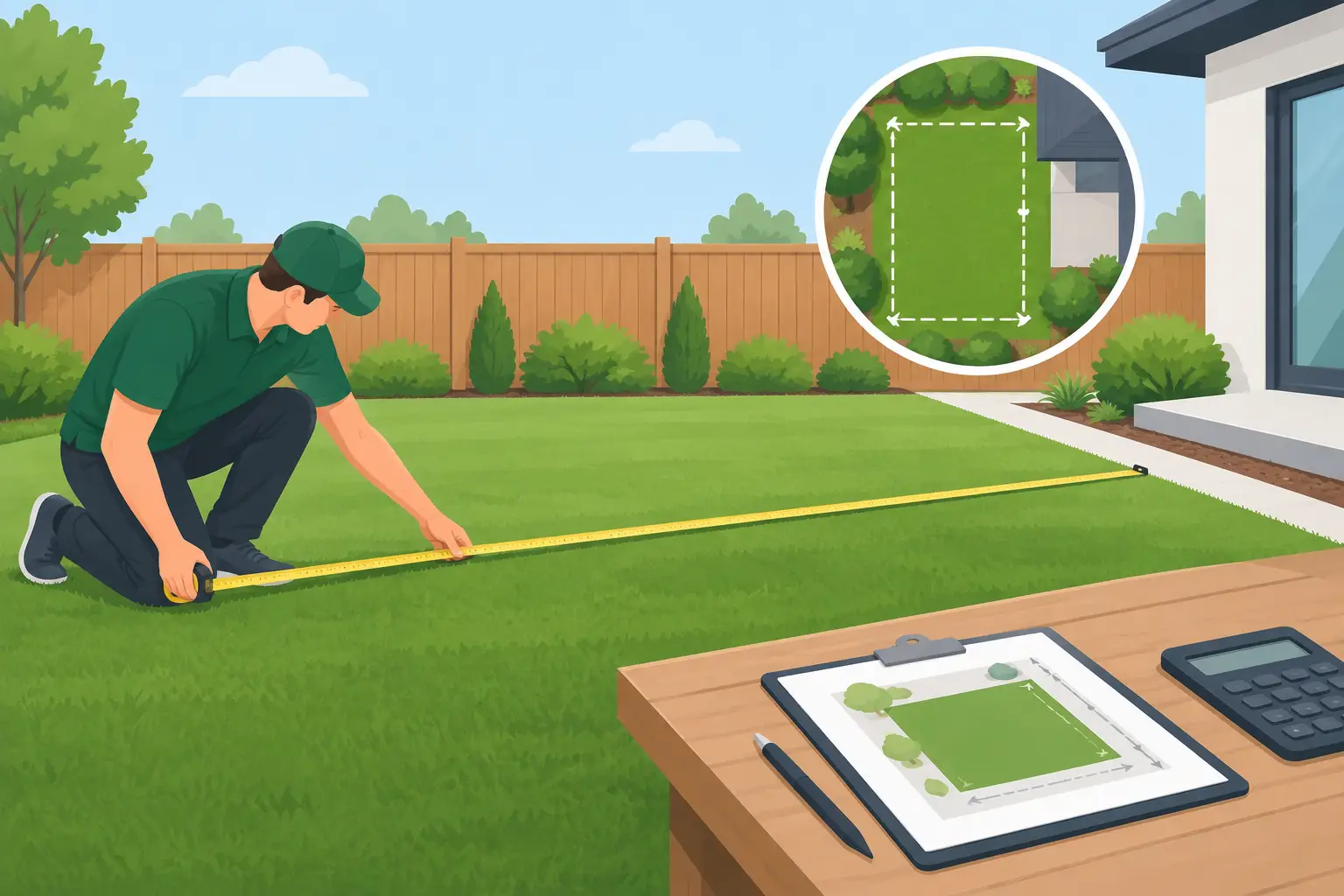
The most successful water-saving yards are designed around how the property actually performs. Before selecting grass, turf, plants, or stone, look at where the sun hits in July, where water sits after a storm, and how the family uses the space. A dog run, a putting green, a pool deck, and a children’s play area all have different surface needs.
Shade is especially important in Dallas landscapes. A tree canopy can lower heat stress and reduce moisture loss, but dense shade can also make it difficult for certain grasses to thrive. In those areas, turf, shade-tolerant plants, mulch beds, or a walkway may be better investments than repeatedly replacing sod.
Drainage should be addressed early, not after a new lawn or patio is finished. Standing water damages natural grass, weakens soil, and can create muddy traffic areas. A properly planned French drain, catch basin, grading adjustment, or drainage channel can protect the rest of the installation and prevent costly rework later.
Choosing a Trend That Will Last
Not every water-saving idea fits every home. Artificial grass may be ideal for a shaded side yard that never grows grass well, while fresh sod may be the better choice for an open backyard where kids play. A large patio can reduce irrigation, but it may not make sense if the family needs more open lawn. The right plan considers budget, maintenance expectations, drainage, sun, and how long you expect to enjoy the property.
For homeowners who want one contractor to coordinate the full transformation, Sod Green can combine turf, sod, stone, drainage, and hardscape work into a plan built for the way a North Texas yard is used. The goal is not to remove every living plant or cover every surface with stone. It is to create a cleaner, more durable outdoor space that does not demand constant water and attention.
Start with the part of your yard that causes the most frustration. Replacing one muddy side yard, failing grass strip, or underused lawn section can make a bigger difference than trying to change the entire property at once.


Leave A Comment