 Skip to content
A lawn usually tells you it is done long before it fully dies. Thin spots spread, weeds take over, drainage problems get worse, and mowing starts to feel like maintenance on a lawn that never really improves. A solid sod replacement planning guide helps you make the right call before you spend more time and money trying to revive grass that is no longer worth saving.
For Dallas-Fort Worth homeowners, that decision is rarely just about replacing grass with more grass. It is about how you use the yard, how much upkeep you want, how much sun and foot traffic the area gets, and whether problems like runoff, shade, pets, or poor soil are setting you up for the same issues again. Good planning saves money. It also gets you a better finished result.
What a sod replacement planning guide should answer first
Before choosing materials or comparing quotes, start with the basic question: why are you replacing the lawn in the first place? If the answer is appearance alone, fresh sod may be the right move. If the real issue is constant mud, dog damage, heavy shade, or the fact that you do not want to spend weekends watering and mowing, artificial turf or a mixed landscape solution may make more sense.
That is where many homeowners get off track. They focus on the product before they define the problem. A yard that looks bad for one reason needs a different fix than a yard that looks bad for five reasons at once. Replacing the surface without addressing drainage, grading, irrigation, or use patterns usually leads to frustration.
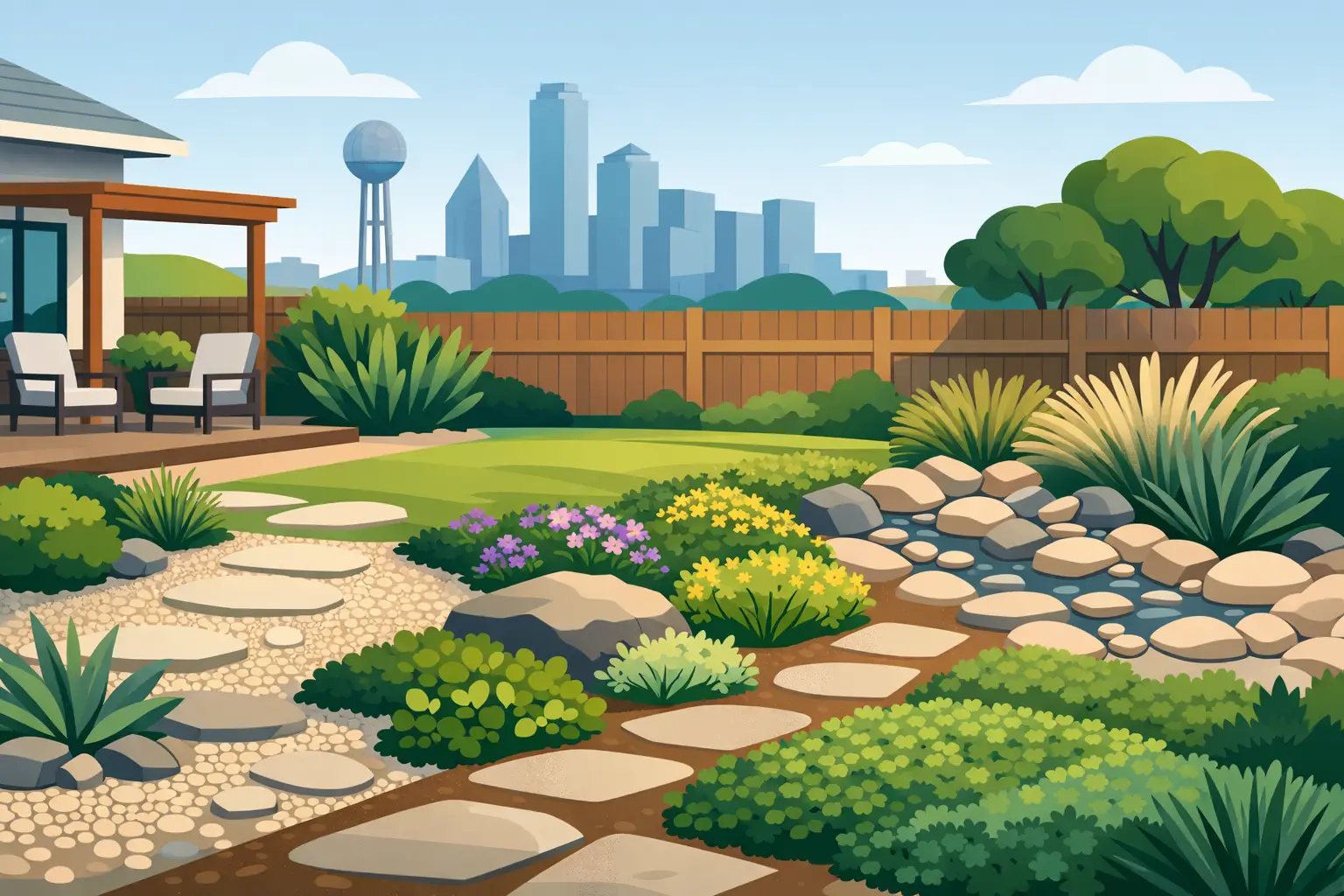
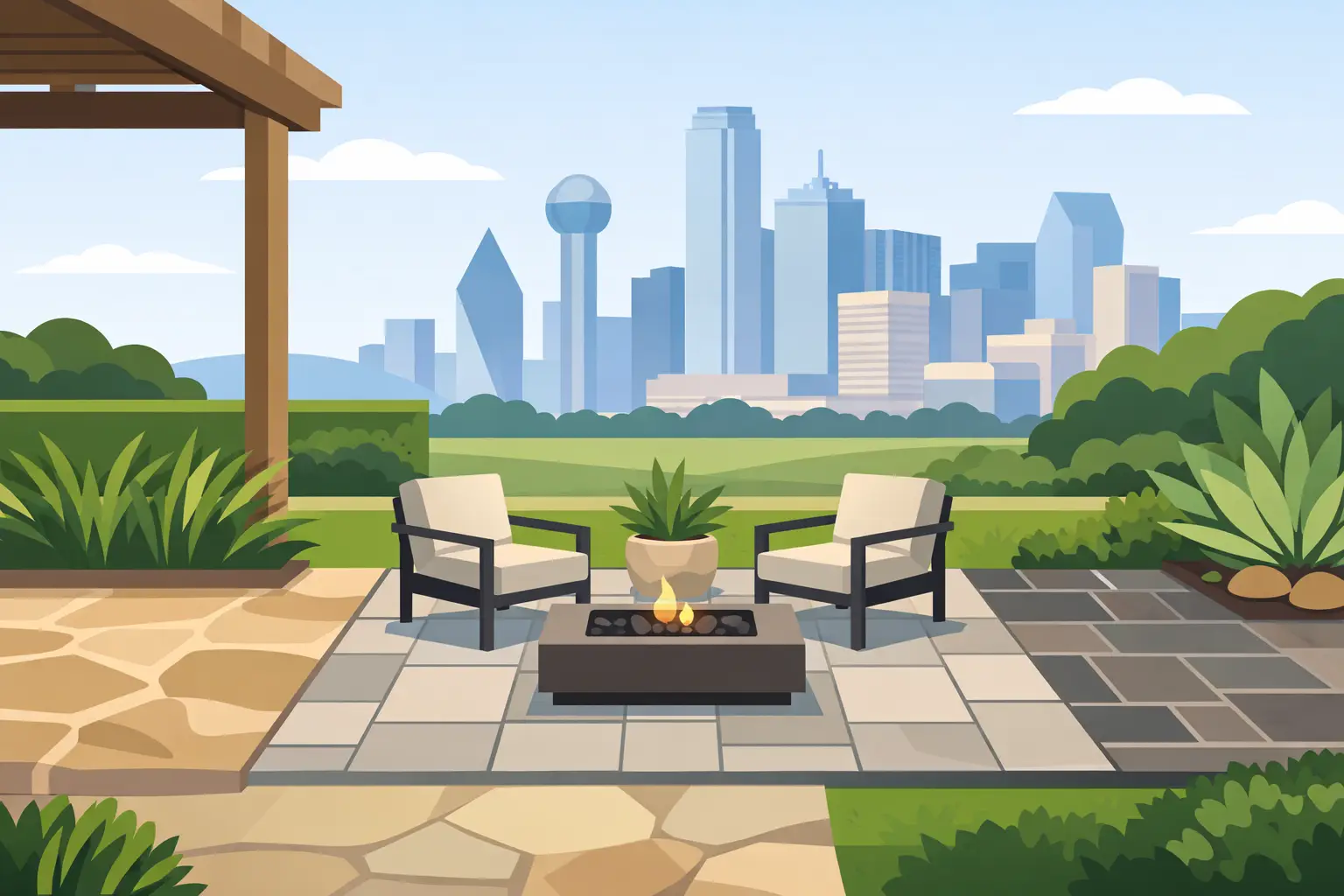
It also helps to think beyond the lawn itself. Some properties benefit from replacing sod in only part of the yard while adding stonework, borders, walkways, or a patio extension nearby. If your outdoor space needs more function as well as better curb appeal, planning the full layout at the start usually leads to cleaner results and fewer change orders later.
Decide whether natural sod or artificial turf fits your yard
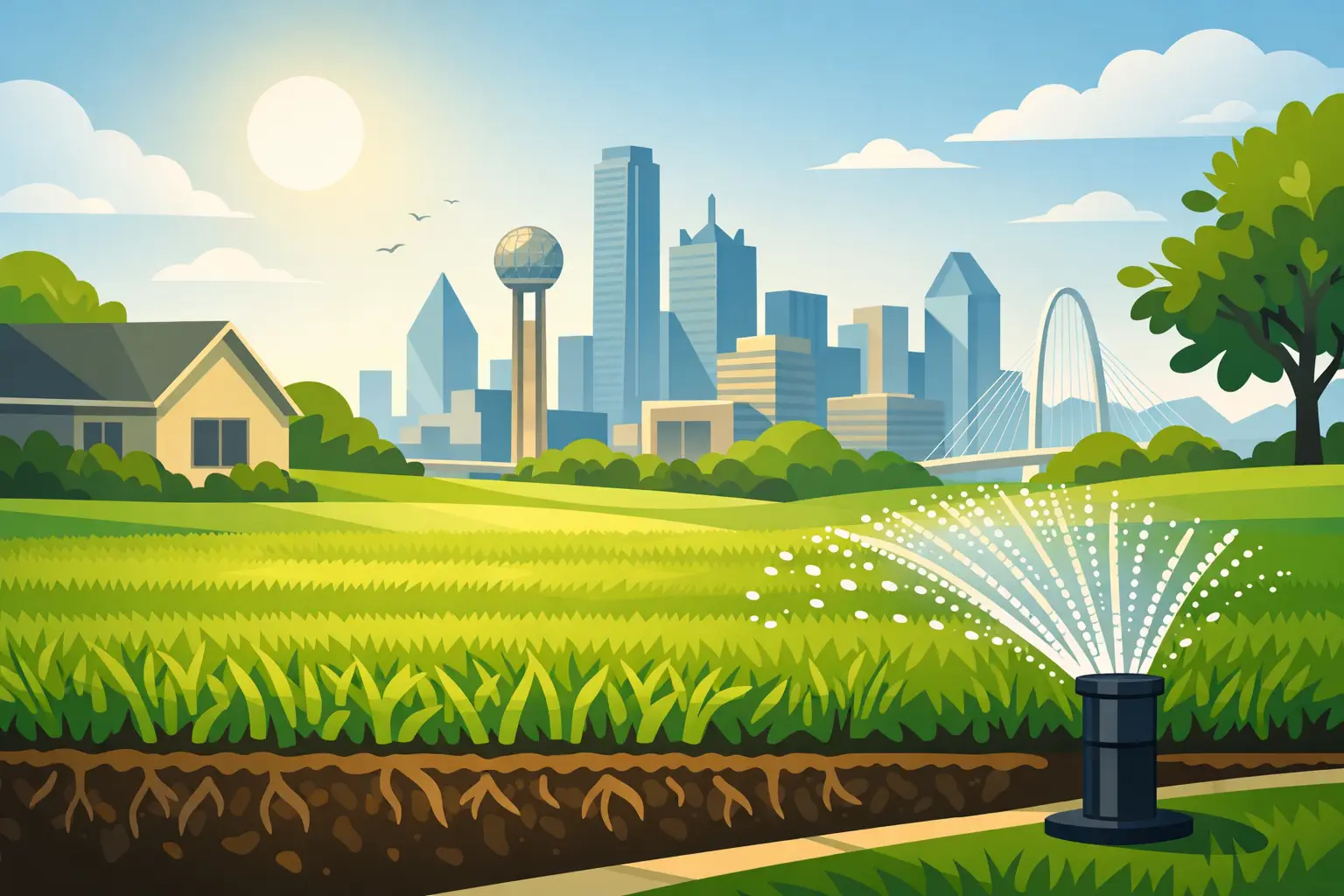
This is the biggest planning decision, and there is no one-size-fits-all answer. Natural sod gives you a traditional lawn feel and can look excellent when installed correctly and maintained well. It works best for homeowners who want real grass, have the right growing conditions, and are comfortable with regular watering, fertilizing, mowing, and seasonal care.
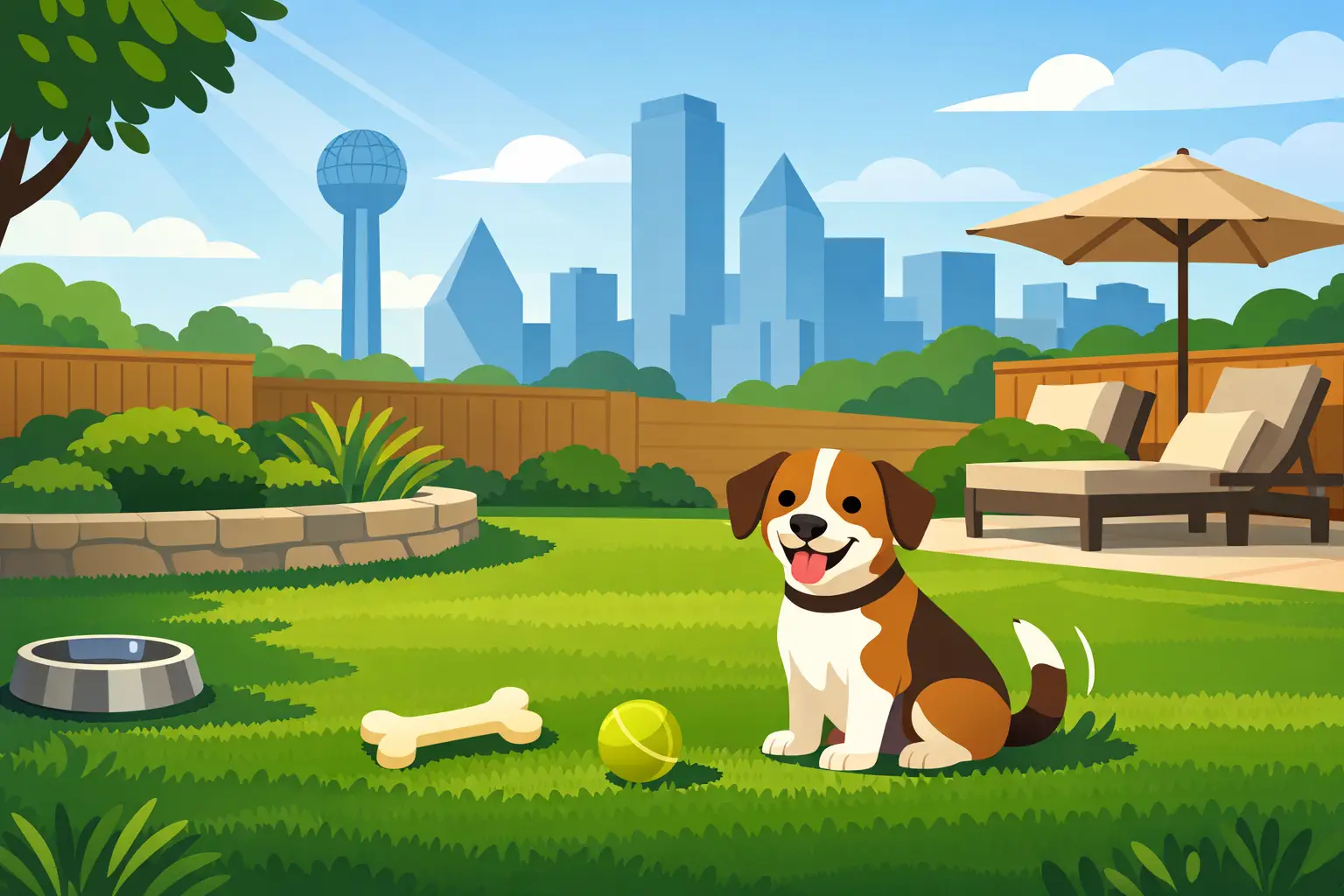
Artificial turf is the stronger fit when maintenance is the real problem. It is especially attractive for backyards with pets, play areas for kids, side yards that never grow well, pool surrounds, and high-traffic spaces where natural grass struggles. It also gives you a finished look fast and keeps it that way with much less ongoing work.
The trade-off is straightforward. Sod generally costs less upfront, but it requires continuous care and can fail if site conditions are poor. Turf costs more at installation, but it offers long-term savings in maintenance, water use, and repeated lawn repairs. If you already know you are tired of nursing a problem lawn through every season, that higher upfront investment can be the smarter move.
Look closely at the site conditions before you commit
Any real sod replacement planning guide should spend time here, because site conditions determine whether the project lasts. Sun exposure matters. So does soil quality. So does drainage. A lawn area with compacted soil, standing water, heavy shade, or steep slope needs more than a cosmetic refresh.
In North Texas, heat and water management are major factors. Some lawns burn out in full sun. Others stay wet too long after rain because the grade does not move water where it needs to go. If your current lawn fails in the same spots over and over, pay attention to that pattern. It is usually telling you something useful.
This is also the stage where pet use, kid traffic, and entertaining habits should be part of the plan. A front yard that is mostly for curb appeal has different demands than a backyard used every day. If you host often, have a pool, or want a clean surface for active use, durability matters just as much as appearance.
Build the budget around the full project, not just the surface
Homeowners often ask what sod replacement costs, but the better question is what your specific yard needs. The surface material is only part of the price. Removal of old grass, haul-off, grading, base work, irrigation adjustments, edging, drainage corrections, and access to the yard all affect the final number.
A simple replacement on a flat, open lawn is one thing. A backyard with poor drainage, tight access, elevation changes, and a need for hardscape tie-ins is another. That does not mean the job is not worth doing. It means accurate planning matters.
If you are comparing bids, make sure you are comparing the same scope. One quote may look cheaper because it skips prep work that another contractor includes. That difference shows up later in settling, drainage issues, uneven surfaces, or turf that does not perform the way it should. A lower price is not a win if the install has to be fixed.
Timing matters more than many homeowners expect
A lawn replacement project can move quickly once work starts, but getting the timing right still matters. For natural sod, installation windows should line up with healthy establishment conditions and your ability to water properly afterward. For artificial turf, weather and ground conditions still affect scheduling, especially if excavation or drainage improvements are part of the job.
It is smart to plan around how you use the yard. If you want the project done before a graduation party, summer break, pool season, or holiday gathering, do not wait until the last minute. Good contractors book ahead, especially during peak landscaping months.
This is also where decisiveness helps. Delays often happen because homeowners start the process without fully choosing materials, layout changes, or optional upgrades. If you think you may want a putting green, paver border, walkway, or expanded patio area, bring that up early. It is easier and more cost-effective to coordinate everything in one project than to reopen the yard later.
Use the project to fix underlying problems
Lawn replacement is one of the best times to address issues that have been bothering you for years. Drainage is a big one. If water collects near the house, along fence lines, or in low spots, this is the time to correct grade and runoff patterns. The same goes for worn-out edging, awkward transitions, and surfaces that turn muddy after every storm.
A clean, durable yard is rarely just about the lawn material. The best results come from treating the space like a full outdoor surface system. Sometimes that means pairing turf with a stone path. Sometimes it means improving borders and installing a retaining feature to control slope. Sometimes it means reducing lawn square footage entirely so the remaining area looks better and works harder.
That broader approach is where a specialist can make a real difference. Companies like Sod Green do not just swap one surface for another. They look at how the entire space functions, which is often what separates a short-term visual fix from a long-term upgrade.
Choose an installer with a process, not just a sales pitch
The quality of a lawn replacement comes down to preparation and installation discipline. Homeowners should ask how the existing lawn will be removed, what base or soil prep is included, how drainage is handled, how edges are finished, and what cleanup looks like when the job is done.
The answers should be clear and direct. You want a crew that shows up on time, protects the property, keeps the site organized, and finishes strong. You also want realistic expectations. A good contractor will tell you when sod is a smart fit, when turf is the better option, and when your budget should go toward correcting site issues before anything else.
That kind of honesty matters. The goal is not to sell the same product to every homeowner. The goal is to install the right solution for the yard you actually have.
A better yard starts with better planning
The best sod replacement projects are not rushed. They are thought through. When you understand how you use the space, what conditions are working against your lawn, and what level of maintenance you want going forward, the right path becomes much easier to choose.
If your current lawn is costing you time, curb appeal, and patience, planning now can save you from repeating the same problem next season. A good yard should look sharp, hold up to real life, and make your home easier to enjoy every day.



Leave A Comment