 Skip to content
One hard rain is all it takes. What looked like a usable backyard turns into a slick mess of standing water, soft soil, and muddy footprints tracked straight into the house. If you are searching for how to fix muddy backyard problems, the real answer is not a quick patch. You need to figure out why the yard stays wet, then choose a solution that fits the way you actually use the space.
In Dallas-Fort Worth, muddy backyards are usually tied to drainage, grading, compacted soil, heavy shade, pet traffic, or grass that never had a fair chance to establish. Sometimes it is one issue. More often, it is two or three working together. That is why some homeowners keep throwing seed, straw, or topsoil at the problem and never get lasting results.
Why your backyard keeps turning to mud
Mud shows up when water has nowhere to go and the ground cannot absorb or support traffic. A low spot in the yard can hold water after every storm. Clay-heavy soil, which is common across North Texas, drains slowly and compacts easily. Once soil gets packed down, water sits near the surface instead of soaking in.
Backyard use matters too. Dogs wear paths into the lawn. Kids cut across the same wet area every day. Pool traffic keeps one side of the yard bare. Even healthy grass will struggle if the ground stays saturated and gets constant foot traffic.
Shade can make things worse. If fences, trees, or the house block sunlight, natural grass may stay thin and weak. Thin grass means exposed soil, and exposed soil turns to mud fast. In some yards, downspouts dump too much roof runoff into one area, which creates a muddy zone no matter how often you reseed.
How to fix muddy backyard issues the right way
The best fix depends on the cause. If drainage is poor, start there. If the grade is wrong, water has to be redirected. If the lawn is beyond saving, it may be time to replace it with a surface that performs better.
A proper fix usually starts with looking at the yard after rain. Where does water collect? Does it sit near the patio, fence line, or side yard? Does it drain toward the house? How long does the ground stay soft? Those details tell you whether you need a drainage solution, a surface solution, or both.
Start with drainage and grading
If water pools in the yard, surface upgrades alone will not solve the problem. You can install new sod, but if the ground remains saturated, it will fail again. You can add decorative stone, but if water keeps washing through the area, it may shift or sink over time.
Grading is often the first real correction. A yard should have enough slope to move water away from the house and out of low spots without creating erosion. That does not mean turning your backyard into a hill. It means making sure the surface is shaped to drain with purpose.
In some cases, a French drain or channel drain is the right move. These systems collect excess water and carry it away from trouble areas. They are especially useful along patios, fence lines, and low sections of the yard where water naturally gathers. Downspout extensions can also help if roof runoff is dumping too much water in one place.
This is where many DIY fixes fall apart. If you add soil without correcting the grade, the problem comes back. If you install drainage in the wrong location, you spend money without solving much. Backyard drainage has to be planned around how water moves across the whole property.
Improve the soil if you want natural grass
If your goal is a living lawn, the soil has to support it. Compacted soil needs to be loosened so water and oxygen can move through it. In some yards, aeration and soil amendment can improve drainage enough to help grass recover. In others, the top layer is too poor or too compacted, and fresh soil prep is the better option.
This is also the time to be honest about expectations. Natural grass can look great in North Texas, but it needs the right base, proper irrigation, sunlight, and recovery time. If your backyard gets hammered by pets and kids year-round, sod may need more maintenance than you want to give it.
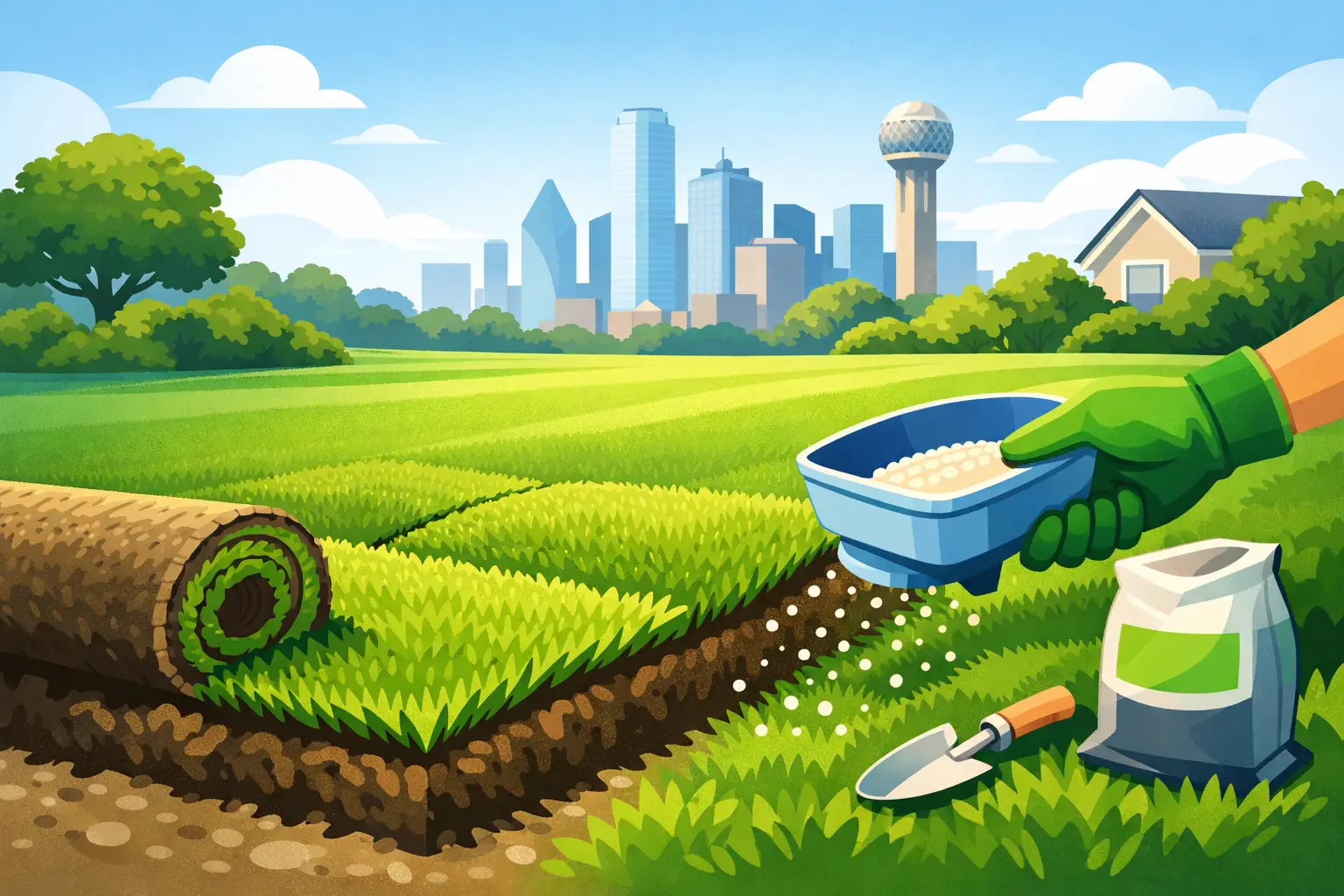
When sod is the right fit, it should be installed on a properly prepared surface, not rolled over mud. Good prep matters as much as the grass itself. Without it, even quality sod can struggle.
Consider artificial turf for chronic mud problems
For many homeowners, artificial turf is the cleanest long-term answer. If you are tired of mud, patchy grass, worn pet areas, and high maintenance, turf gives you a finished yard that stays usable after rain and looks sharp year-round.
The key is proper installation. Turf is not just rolled out on top of the ground. A reliable system starts with excavation, a stable compacted base, drainage planning, and quality materials that can handle foot traffic, pets, and weather. When installed correctly, synthetic turf helps eliminate exposed soil, reduces mess, and creates a cleaner backyard with far less upkeep.
This option makes a lot of sense for shaded yards, dog runs, side yards, and family spaces that stay busy. It is also a strong choice around pools, where natural grass often struggles and mud spreads fast. The trade-off is upfront cost. Turf typically costs more than sod to install, but many homeowners like the long-term payoff in appearance, durability, and reduced maintenance.
When hardscape is the better fix
Sometimes grass is not the best answer at all. If one section of the yard gets heavy traffic every day, a hardscape feature may solve the problem better than trying to force lawn into a bad spot.
A flagstone path, patio extension, gravel transition area, or walkway can turn a muddy cut-through into a clean, durable surface. This works especially well near gates, outdoor kitchens, pool decks, and play areas. It also helps break up the yard in a way that looks intentional instead of patched together.
Hardscape can also work with drainage improvements. For example, a patio edge may be paired with a drain system so the area stays dry and usable. The best results usually come from combining solutions instead of expecting one material to fix every issue.
Common fixes that do not last
Homeowners often try the same short-term fixes first. More seed, more straw, more fill dirt, or a few bags of gravel from the store. Those can help in very minor cases, but they rarely solve a true muddy yard.
Adding topsoil to a wet area without drainage is temporary. The new soil often washes out or turns muddy too. Throwing seed on compacted ground usually leads to thin growth and bare patches. Random gravel can create a messy look and still sink into soft soil if the base is unstable.
The bigger issue is that these quick fixes treat the symptom, not the cause. If water stays trapped or traffic keeps destroying the surface, mud comes right back.
Choosing the best solution for your yard
If you only have a small trouble spot near a downspout, a drainage correction and some surface repair may be enough. If the whole backyard stays soggy after every storm, grading and drainage need to come first. If the lawn never performs and you are tired of the upkeep, turf may be the smarter investment. If one route across the yard is always a mess, a walkway or hardscape feature may solve it better than grass ever will.
That is why a one-size-fits-all answer does not work. The right plan depends on your drainage, soil, sunlight, traffic, and budget. It also depends on how you want the backyard to function. A pet-friendly play yard needs a different solution than a decorative lawn or a space built for entertaining.
For homeowners who want a real fix instead of another temporary patch, it helps to work with a contractor who understands surface installation, drainage, and outdoor layout together. At Sod Green, that is the advantage. We do not just look at the grass. We look at the whole yard and build a solution that performs.
What to expect from a lasting muddy backyard repair
A lasting fix should make the yard easier to use, easier to maintain, and cleaner after rain. Water should move where it is supposed to go. The surface should hold up under normal use. And the backyard should look finished, not like a problem area waiting for the next storm.
If your yard has been muddy for months or years, that does not mean you are stuck with it. It usually means the root issue has never been addressed correctly. Once the drainage, grade, and surface are matched to the space, the difference is immediate. You stop working around the problem and start enjoying the yard again.
The best time to fix a muddy backyard is before another season of rain turns a small issue into a bigger one. A clean, usable outdoor space is possible when the work is done right the first time.





Leave A Comment