
Sticker shock usually happens when homeowners price turf by the square foot and stop there. The real artificial grass installation cost depends on more than the grass itself. Base prep, drainage, access to the yard, edge detail, and the shape of the space all affect what you actually pay.
If you are comparing bids for a backyard, side yard, pet run, or pool area, it helps to know what is included and what is not. A lower quote can look good at first, but if it skips proper excavation or uses cheaper materials, you may end up paying again later. Good turf work is about appearance, drainage, durability, and a clean finish that holds up in Texas weather.
What affects artificial grass installation cost?
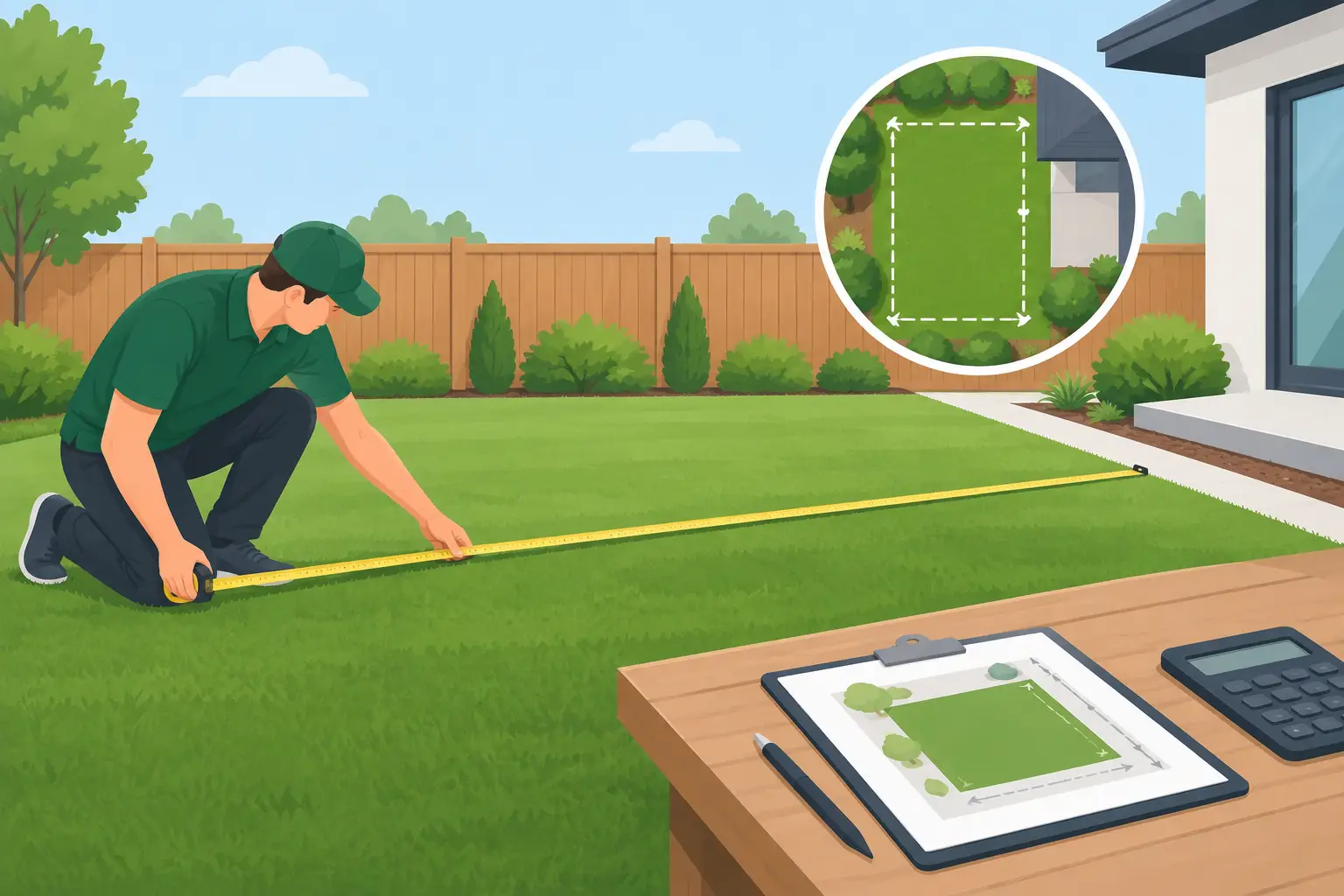
Most projects are priced by square footage, but square footage is only the starting point. A simple, open rectangle is faster to install than a yard with curves, tight access, tree roots, sprinkler rerouting, or multiple elevation changes.
The first major cost factor is site preparation. If the existing area has old grass, weeds, uneven soil, or poor drainage, the crew has to remove material, grade the area, and build a stable base. That prep work is what helps the turf stay smooth instead of becoming lumpy or holding water after a storm.
Material quality also matters. Artificial grass comes in different face weights, pile heights, colors, backing systems, and drainage rates. Homeowners who want a realistic front yard look may choose a different product than someone building a durable dog run or a backyard putting green. Better turf usually costs more upfront, but it tends to look better longer and perform better under daily use.
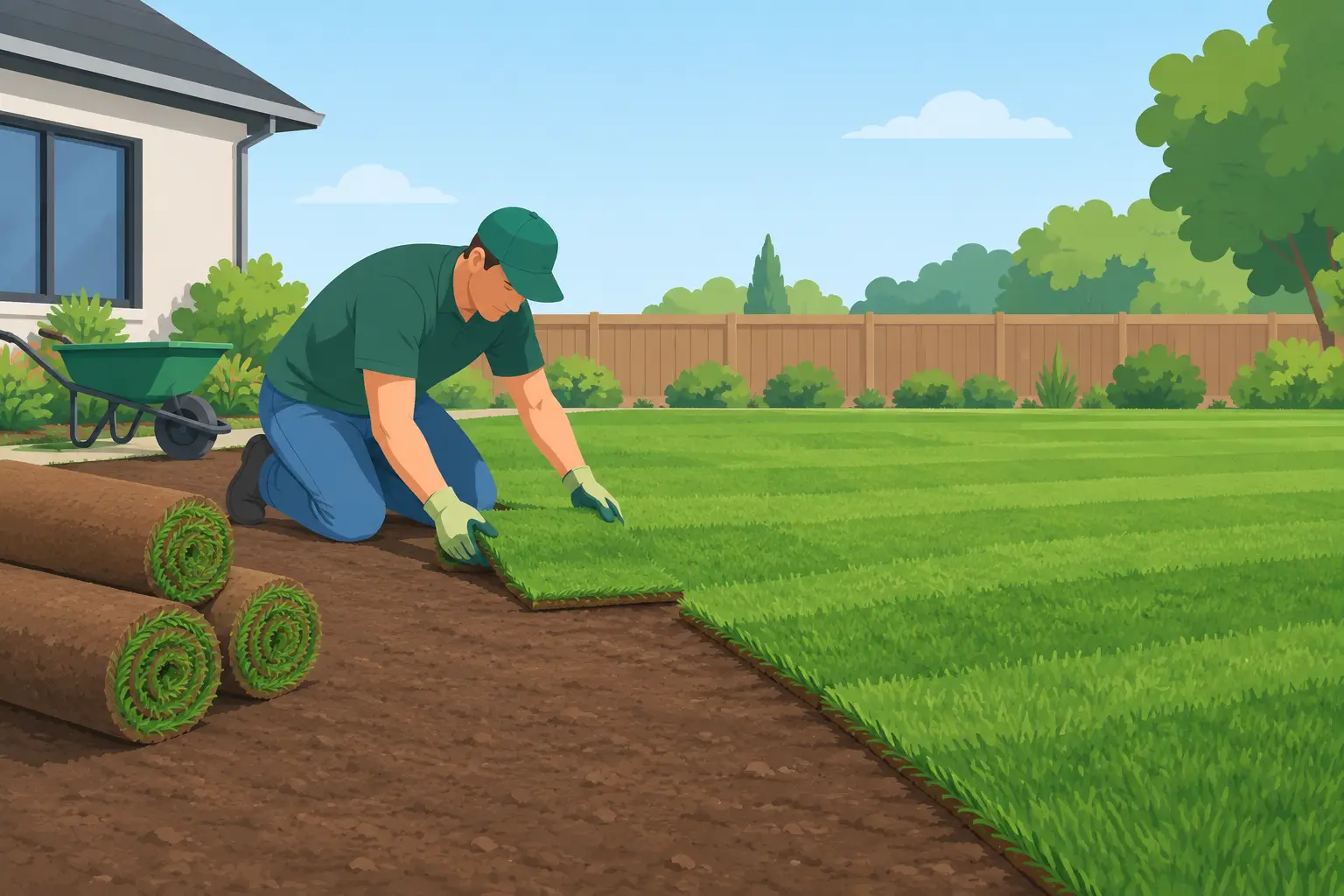
Installation details can move the number too. Seaming multiple sections, cutting around beds and stepping stones, securing edges cleanly, and adding infill all take labor and skill. This is one reason professional installation carries value beyond just laying down turf.
Typical artificial grass installation cost range
For many residential projects, artificial grass installation cost often falls somewhere around $8 to $15 per square foot installed, with premium systems or specialty applications running higher. That range can shift based on materials, site conditions, and whether the project includes extras like drainage improvements, borders, or hardscape integration.
A small, straightforward space may land near the lower end if access is easy and the ground is in decent shape. A more custom backyard with tight gates, a slope, curves, and upgraded turf can climb quickly. Putting greens, playground turf, and pet-specific systems often cost more because they require specialized materials and more precise installation.
Here is the part many homeowners miss: the cheapest price per square foot is not always the best value. If the base is thin, seams are weak, or drainage is ignored, the turf may shift, ripple, or smell worse over time, especially in pet areas. Paying for solid prep and trained installation usually saves money over the life of the project.
What should be included in the price?
When you review a quote, ask what is built into the number. A complete artificial turf installation usually includes removal of existing grass or surface material, excavation as needed, weed barrier, compacted base, grading, turf cutting and seaming, securing the perimeter, infill, and cleanup.
Some projects also require sprinkler modifications. If the lawn is being replaced fully, some heads may need to be capped or rerouted. If drainage has been a problem in the yard, additional work may be needed below the turf so water moves away properly.
Edging is another item worth clarifying. A clean edge helps the finished yard look sharp and stay secure. Depending on the design, that edge may tie into concrete, metal edging, stone, pavers, or existing hardscape. If a quote is light on detail, it is smart to ask exactly how the perimeter will be finished.
Why prep work matters more than most people think
Turf looks simple once it is installed, but most of the important work happens underneath it. If the ground is not excavated correctly or the base is not compacted in lifts, the surface can settle unevenly. That creates soft spots, low areas, and visible waves.
Drainage is especially important in North Texas. Heavy rain can expose poor workmanship fast. A well-installed system should shed water efficiently and avoid turning the area into a soggy mess. If you have pets or frequent foot traffic, drainage becomes even more important for odor control and day-to-day usability.
This is why experienced installers do not just show up and roll out turf. They evaluate the grade, check the access, account for existing surfaces, and build the area to perform. That kind of detail shows up in the price, but it also shows up in the final result.
Cost differences by project type
Not every turf project is priced the same, even when the square footage is similar. Front yards often focus on curb appeal and realistic appearance, so homeowners may choose premium grass styles that blend color and texture well.
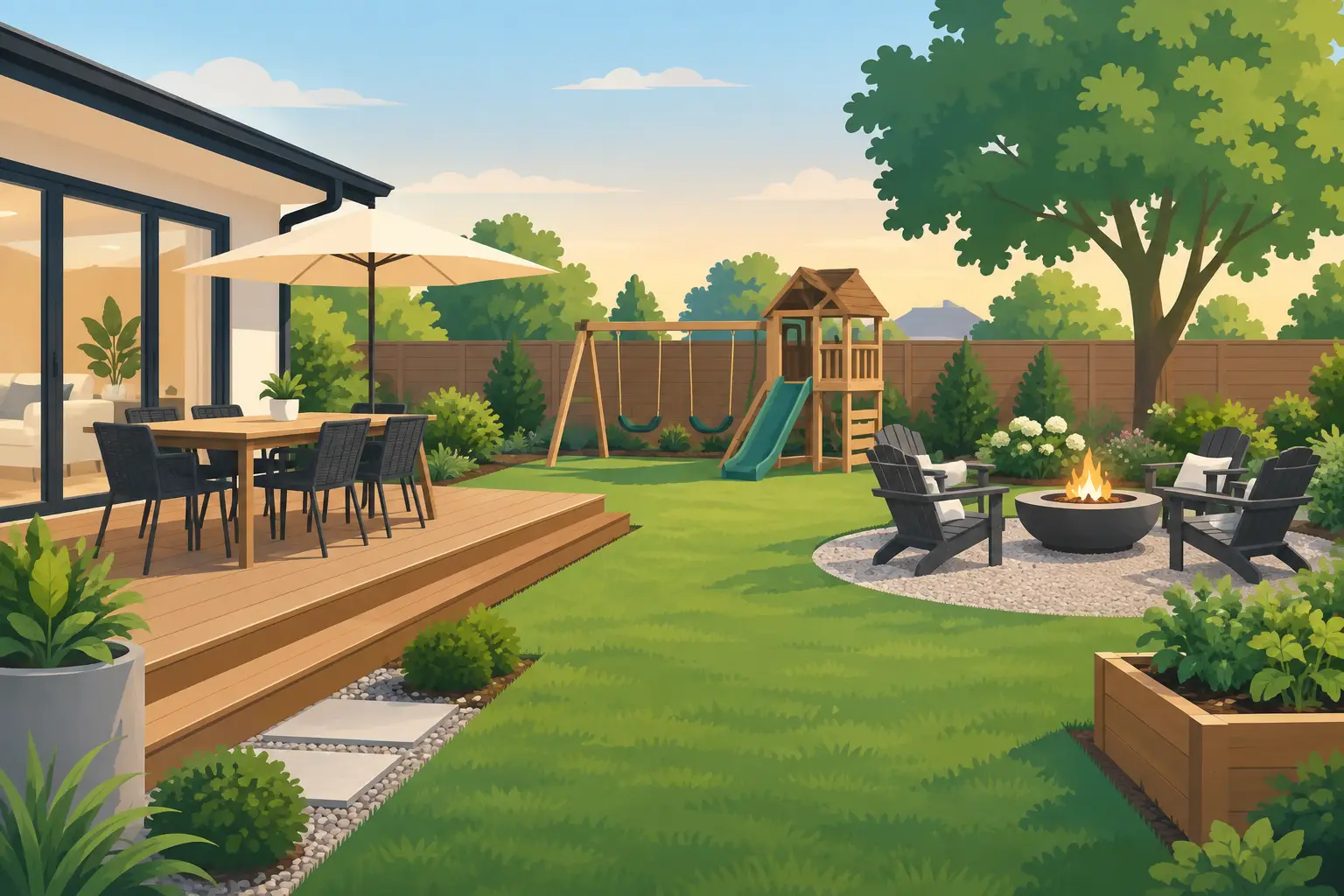
Backyards can vary more. A family space with kids, pets, and outdoor furniture needs durability and comfort underfoot. A pool surround may need cooler-feel options, excellent drainage, and precise cuts around decking. A dog run may call for a turf system designed to rinse clean and hold up to wear.
Putting greens are a category of their own. They require specialty turf, cup installation, shaping, and precision that goes beyond a standard lawn replacement. If you want a true play experience instead of a decorative feature, the labor and material costs usually reflect that.
How Dallas-area conditions can affect pricing
In the Dallas-Fort Worth area, heat, clay-heavy soils, drainage challenges, and water-use concerns all make turf appealing, but they can also influence installation needs. Expansive soils and uneven grades may require more correction during prep. If a yard has poor drainage after storms, that issue should be addressed before the turf goes down, not after.
Access can also be a local issue. Many neighborhoods have narrow side yards, fences, gates, or pool equipment that make hauling material in and out more labor-intensive. That does not mean the project is not worth doing. It just means labor can increase when the crew has to move base and debris through tight spaces instead of bringing in equipment directly.
For homeowners who want one contractor to handle turf along with stone borders, pavers, drainage, or a full backyard refresh, bundling work can also change the total project cost. Sometimes that increases the investment, but it can improve efficiency and give you a cleaner finished design.
How to compare quotes without getting burned
A good quote should be clear about the turf product, the amount of excavation, the base material, the infill, and any drainage or sprinkler adjustments. If one proposal is much lower than the others, there is usually a reason.
Ask how the base will be prepared, how the seams will be handled, and what kind of cleanup is included. Ask who is actually doing the installation. You want trained installers who take ownership of the work, not a rushed crew cutting corners to hit a low number.
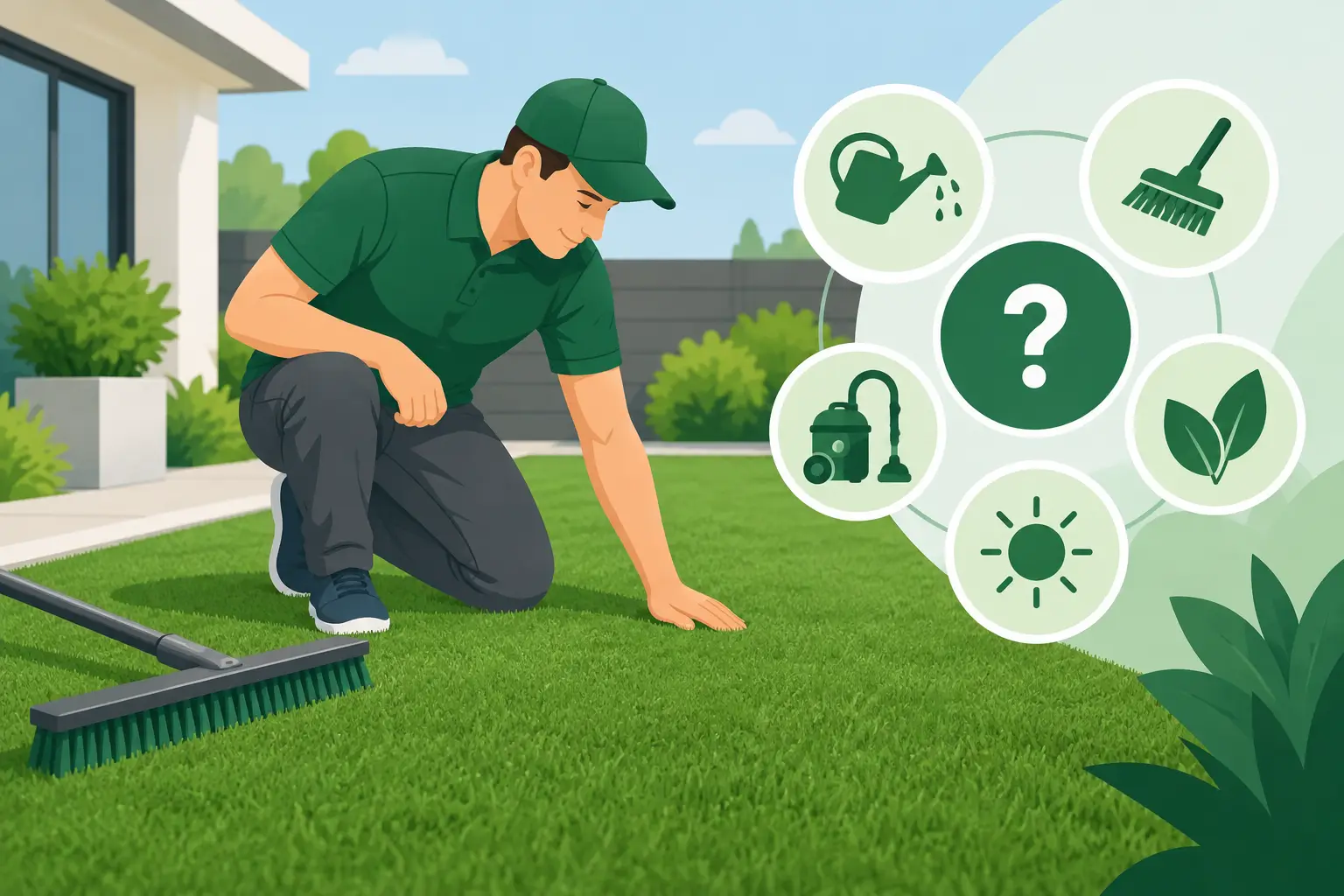
It is also fair to ask about expected lifespan and maintenance. Artificial grass is low maintenance, not zero attention forever. You may still need occasional rinsing, brushing, or debris cleanup depending on the space and how you use it. A dependable contractor will give you a straight answer instead of overselling perfection.
Is artificial turf worth the cost?
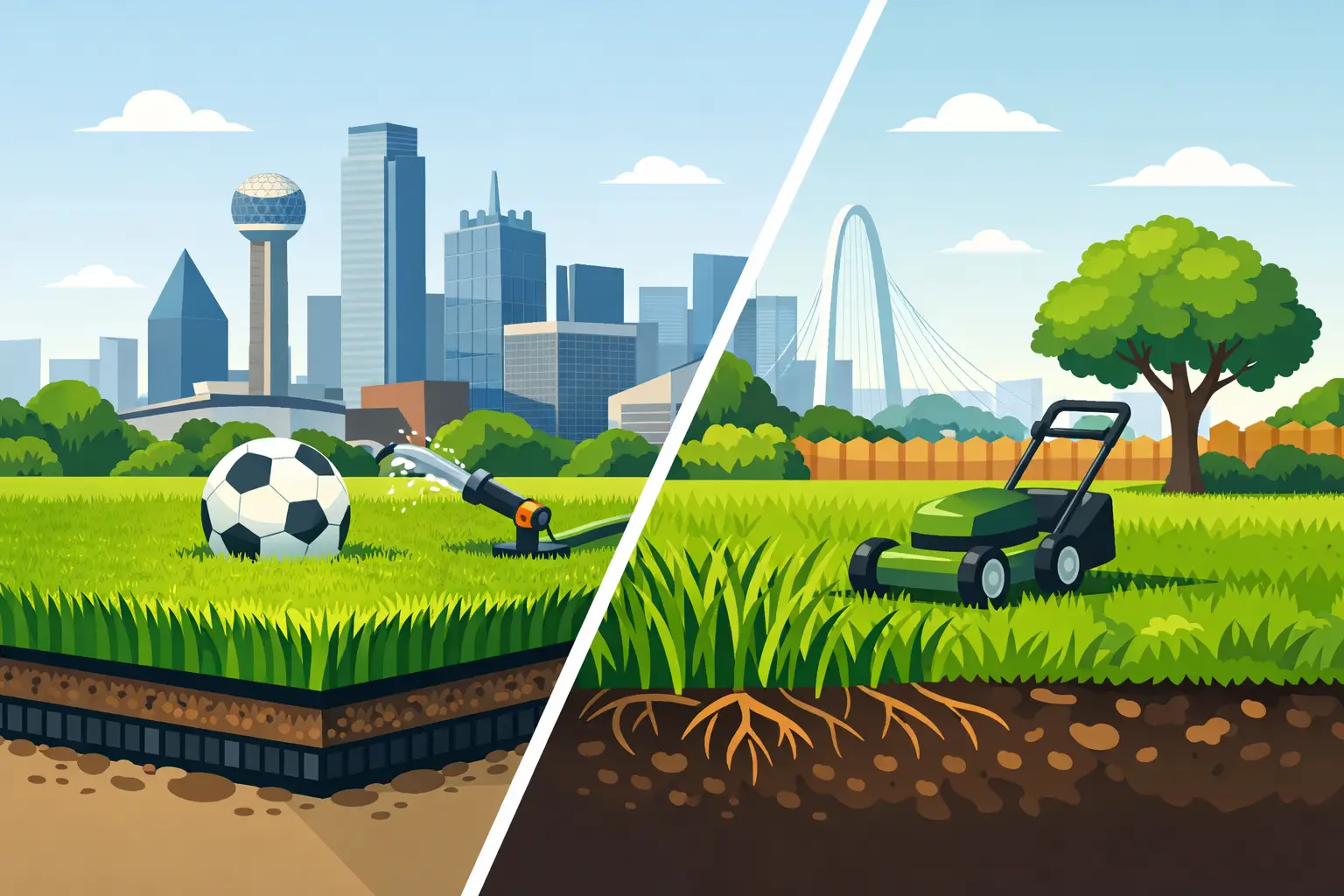
For many homeowners, yes, especially when the current lawn is a constant source of frustration. If you are tired of patchy grass, muddy spots, dead areas in the shade, high watering bills, or weekly upkeep, turf can be a practical long-term upgrade.
The value is not only in mowing less. It is in having a yard that looks finished year-round, drains better when built correctly, and gives you usable outdoor space without the constant cycle of watering, fertilizing, reseeding, and hoping for better results. For families, pet owners, and anyone focused on curb appeal, that reliability matters.
At Sod Green, we see homeowners make the switch because they want a yard that works as hard as they do. If you are pricing a project, the best move is to look past the cheapest number and focus on the quality of the system, the experience of the crew, and whether the job will be done right from the ground up.
A well-built turf installation should feel like money spent once, not a shortcut you have to fix later.

Leave A Comment