 Skip to content
A Dallas lawn can look great in spring and worn out by August. Between intense heat, watering restrictions, shade from mature trees, pet traffic, and bare spots around the pool, keeping natural grass green can become a full-time chore. Artificial grass gives homeowners a clean, finished lawn that stays consistent through the seasons without weekly mowing, fertilizing, or fighting mud.
For many North Texas properties, turf is not about replacing every blade of natural grass. It is about solving the parts of the yard that never perform well: the side yard that turns to dirt, the shaded backyard under live oaks, the dog run, the space between a patio and pool, or the front lawn that needs better curb appeal. The right system can make those areas more usable and much easier to maintain.
What Artificial Grass Can Do for a Dallas Property
A quality synthetic turf system delivers a dependable green surface without the water demand and upkeep of a traditional lawn. Homeowners can spend less time mowing and more time using the yard, while property owners gain a landscape that looks maintained even during a long stretch of Texas heat.
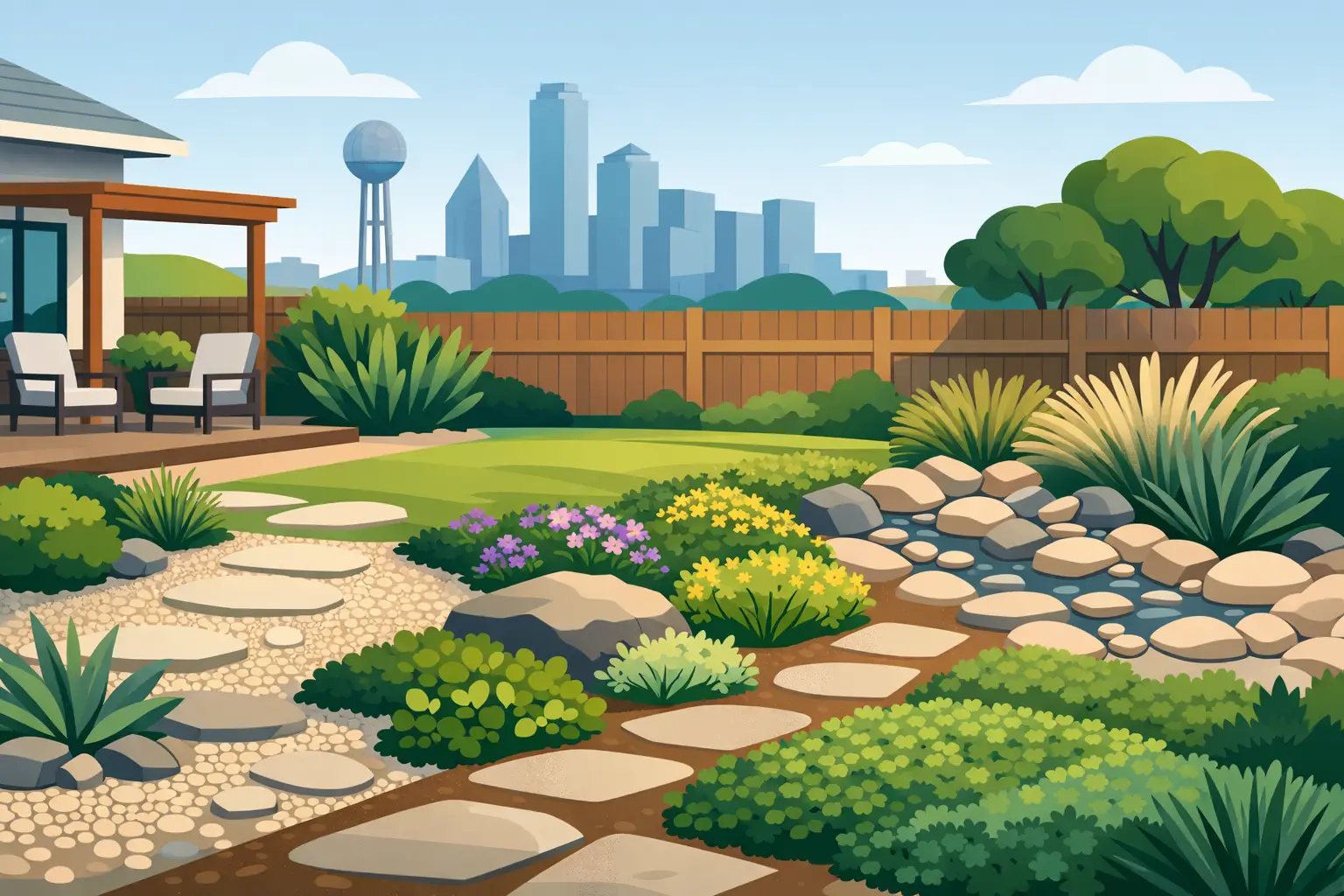
The visual improvement is immediate. Turf covers patchy ground, creates clean edges around hardscapes, and gives outdoor living areas a finished look. It works especially well alongside flagstone, pavers, retaining walls, garden beds, and pool decking, where natural grass often struggles to establish itself.
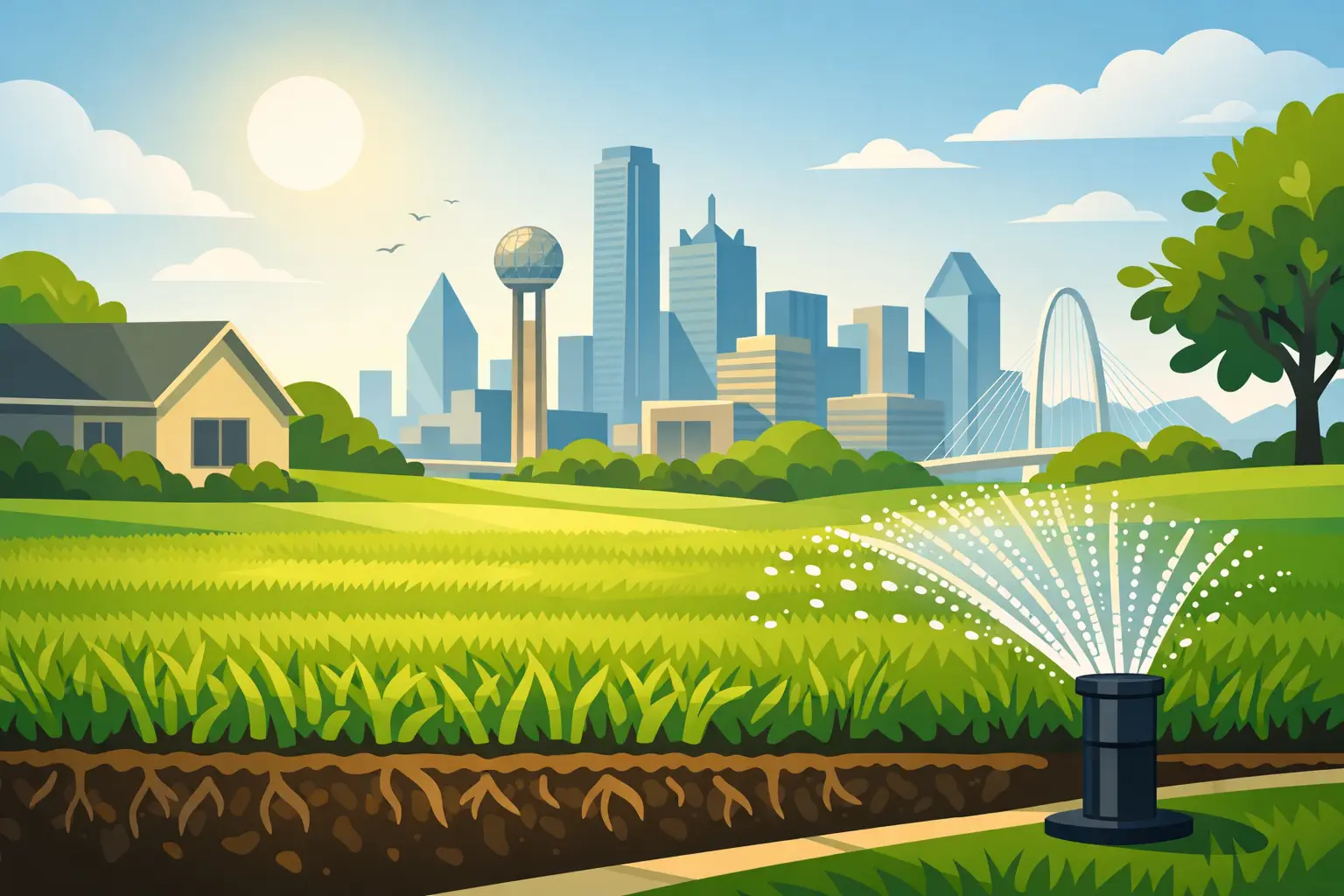
There is also a practical side. Artificial turf does not need regular mowing, watering, or seasonal reseeding. It will not turn into a muddy mess after rain, which matters for families, pets, and anyone tired of tracking dirt into the house. A properly installed system drains efficiently and holds up to daily foot traffic.
That said, artificial grass is low maintenance, not no maintenance. Leaves, dust, and pet waste still need attention. Most homeowners occasionally rinse the surface, remove debris, and brush high-traffic areas to keep fibers standing upright. The work is minor compared with maintaining a natural lawn, but it is part of keeping the turf looking its best.
Where Artificial Grass Makes the Most Sense
The best turf projects start with a clear purpose. A homeowner with two large dogs needs a different product and drainage approach than a homeowner building a backyard putting green. A front-yard curb appeal project may call for a more natural-looking blade color and texture, while a poolside space may prioritize soft footing and clean drainage.
Pet areas are one of the most common applications. Natural grass can quickly become thin, muddy, and difficult to clean when dogs use the same area every day. Pet-friendly artificial grass creates a durable surface that is easier to rinse and deodorize. The installation matters here: drainage layers, proper seams, and suitable infill help prevent odor and keep water moving through the system.
Shaded yards are another strong fit. Grass needs sunlight, and many Dallas properties have tree cover that leaves certain sections thin or bare. Turf provides a green solution where sunlight is limited, though tree debris will still need to be cleared regularly.
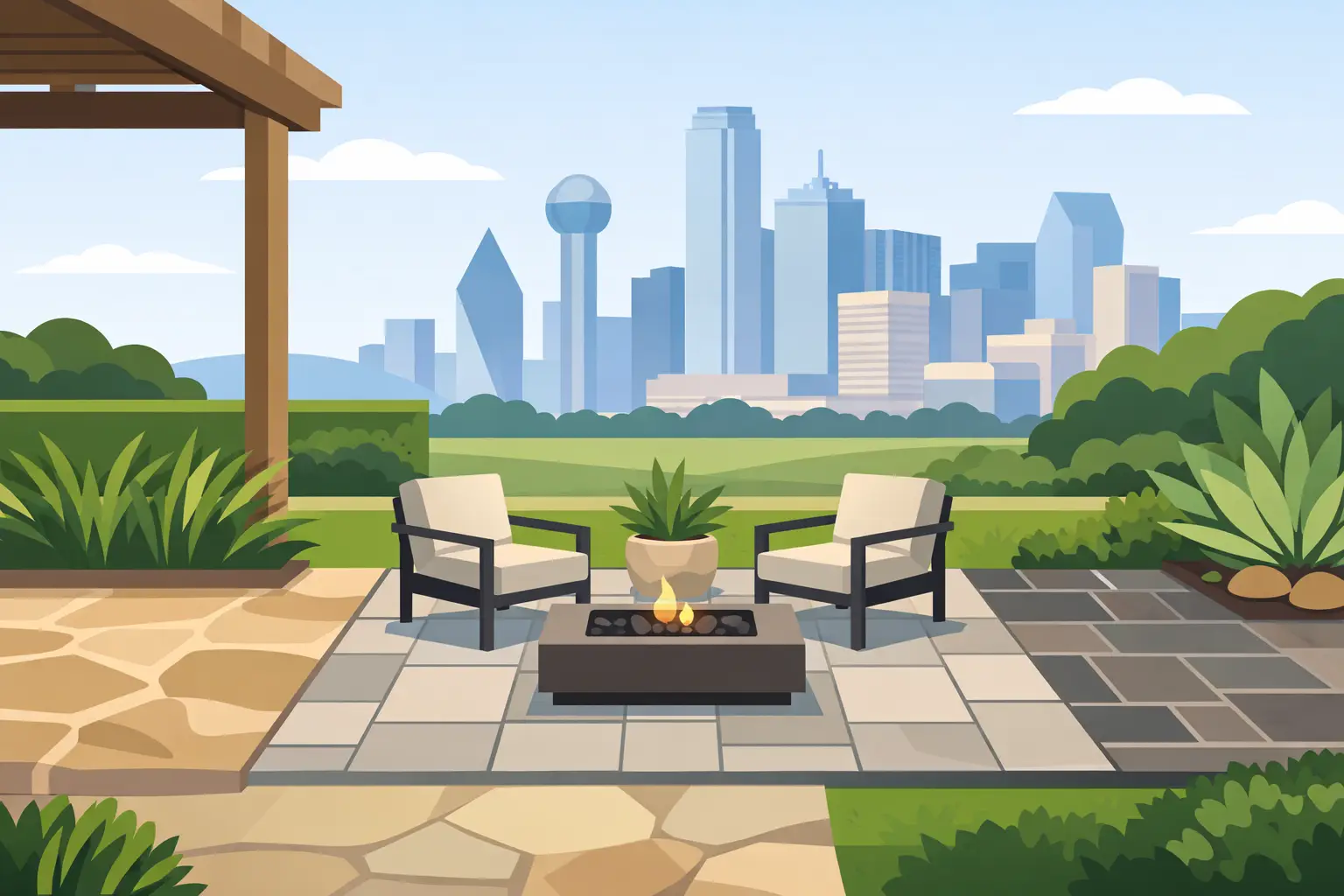
Pool areas, patios, and outdoor kitchens also benefit from turf. It softens the look of hardscape, provides a comfortable play area for children, and removes the problem of grass clippings finding their way into the pool. For golf enthusiasts, a custom putting green can add a functional feature that gets used far more often than a decorative lawn.
Commercial properties can benefit as well. Office entries, retail spaces, apartment common areas, dog parks, and event areas need landscaping that looks presentable without constant irrigation and crew visits. Turf can reduce maintenance demands while keeping the property polished for visitors and tenants.
The Installation Is What Determines Long-Term Results
Artificial turf is only as good as the foundation underneath it. Laying material over existing grass or uneven soil may look acceptable for a short time, but it often leads to wrinkles, poor drainage, soft spots, visible seams, and premature wear.
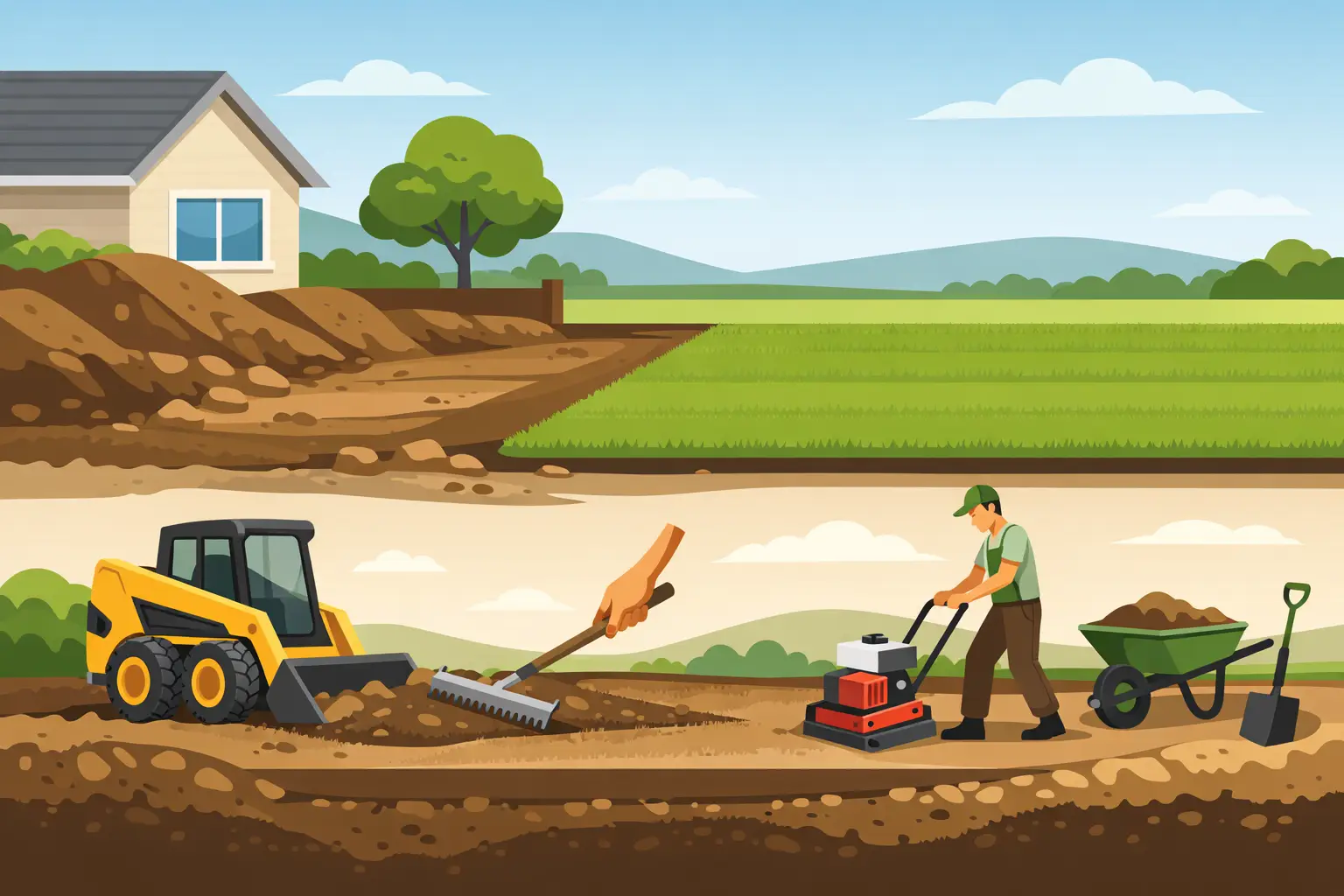
Professional installation begins with clearing the existing surface and preparing the grade. The team removes organic material, shapes the area for drainage, and installs a compacted base that creates a stable, level foundation. This is where experienced installers prevent water from collecting near patios, foundations, and walkways.
A weed barrier, turf backing, seam work, infill, and edge restraints are then handled with care. Each piece has a job. Secure edges keep the lawn from shifting. Proper seams make the finished surface look continuous. Infill supports the blades, adds weight, and helps the turf handle activity over time.
Drainage deserves special attention in North Texas. Heavy rain can expose weak preparation fast. A qualified installer should evaluate the slope of the yard, nearby hardscape, downspouts, and areas where water already collects. In some projects, turf installation should be paired with drainage improvements, grading, or hardscape work rather than treated as a stand-alone fix.
Sod Green approaches outdoor projects with that full-property view. When turf, drainage, stonework, and landscape features need to work together, coordinating the work through one experienced installation team helps keep the finished yard clean, functional, and consistent.
Choosing the Right Turf for Your Needs
Not all artificial grass looks or performs the same. The right choice depends on how the space will be used, how much sun it receives, and the appearance you want. A short, dense product can be a good fit for putting greens and modern landscape accents. A taller turf with multiple blade colors may create a more natural lawn appearance for a front or backyard.
For active families, durability and softness should both be considered. Children need a comfortable surface for play, but the turf also needs to recover after frequent use. For pets, look beyond the face value of the grass and consider drainage capacity, backing design, and cleaning needs.
Heat is another honest consideration. Artificial grass can get warmer than natural grass in direct Texas sun, particularly around reflective pool surfaces and light-colored hardscape. A quick rinse can cool the turf before children or pets use it, and choosing the right product and landscape layout can help manage heat. If the area receives all-day sun and will be used barefoot every afternoon, discuss that upfront during the design process.
Color and blade shape matter more than many homeowners expect. Higher-quality turf usually blends several shades of green and brown thatch fibers for a realistic look. Samples should be viewed outdoors, not just indoors or in a catalog, because sunlight changes how the color reads against your home, fence, and existing landscaping.
What Does Artificial Grass Cost?
The cost of artificial grass installation depends on more than square footage. Site access, demolition, base preparation, drainage needs, product selection, edging, curves, and the amount of grading required all affect the final quote. A small, simple side yard is a different project from a large backyard with trees, a pool, and drainage issues.
The lowest estimate is not always the best value. A bargain installation may save money at the start but create expensive corrections later if the base settles, seams separate, or water drains toward the house. Ask what is included in the proposal, how the base will be prepared, how edges will be secured, and whether the installer has accounted for drainage.
A detailed on-site consultation is the best way to get a realistic number. It allows the contractor to measure the space, identify problem areas, recommend the right turf, and explain any work needed before installation begins. It also gives homeowners a chance to compare options based on appearance, performance, and long-term value rather than price alone.
Keep Your Turf Looking Finished
Routine care is straightforward. Remove leaves and larger debris with a blower or plastic rake, rinse dusty areas when needed, and use a turf-safe cleaner for pet zones. Brushing the fibers occasionally helps maintain a natural, upright appearance in pathways and play areas.
Avoid parking vehicles on turf or placing extremely hot grills directly on the surface. If you have outdoor furniture, move it from time to time to prevent permanent flattening. Most importantly, handle drainage concerns early. Water should move through and away from the turf system, not sit on top of it after a storm.
The best artificial grass project is one that fits the way your family actually uses the yard. Start with the problem you want to solve, choose a product built for that purpose, and make sure the installation work below the surface is done right. That is how a new lawn keeps looking like an upgrade long after installation day.


Leave A Comment