 Skip to content

A paver patio can look perfect the day it is installed and still become a problem after the first hard North Texas rain. That is why paver patio contractor reviews should tell you more than whether a homeowner liked the finished color or thought the crew was friendly. The reviews worth trusting reveal how a contractor handled drainage, base preparation, communication, cleanup, and the small details that determine whether your patio stays level for years.
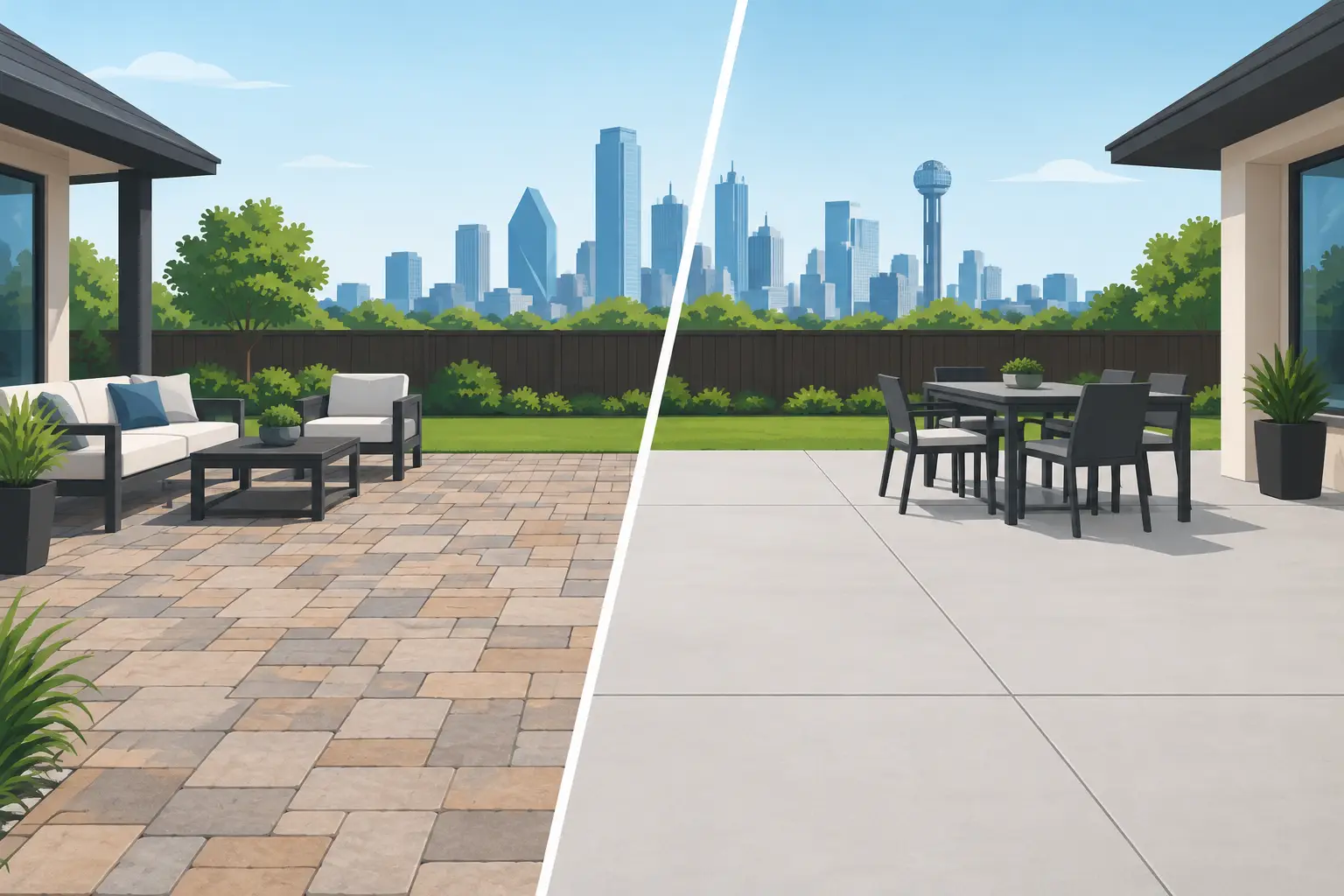
For Dallas-Fort Worth homeowners, a patio is not just a decorative upgrade. It is where kids play, guests gather, grills live, and pool traffic passes through. Choosing the right installer means looking past the star rating and finding proof that the company builds hardscapes to perform in local conditions.
Why Paver Patio Contractor Reviews Matter in Dallas
North Texas soil moves. Heavy clay expands when it holds water and contracts during dry stretches. Add sudden downpours, intense heat, and regular foot traffic, and a poorly installed patio can begin to settle, separate, or hold standing water sooner than expected.
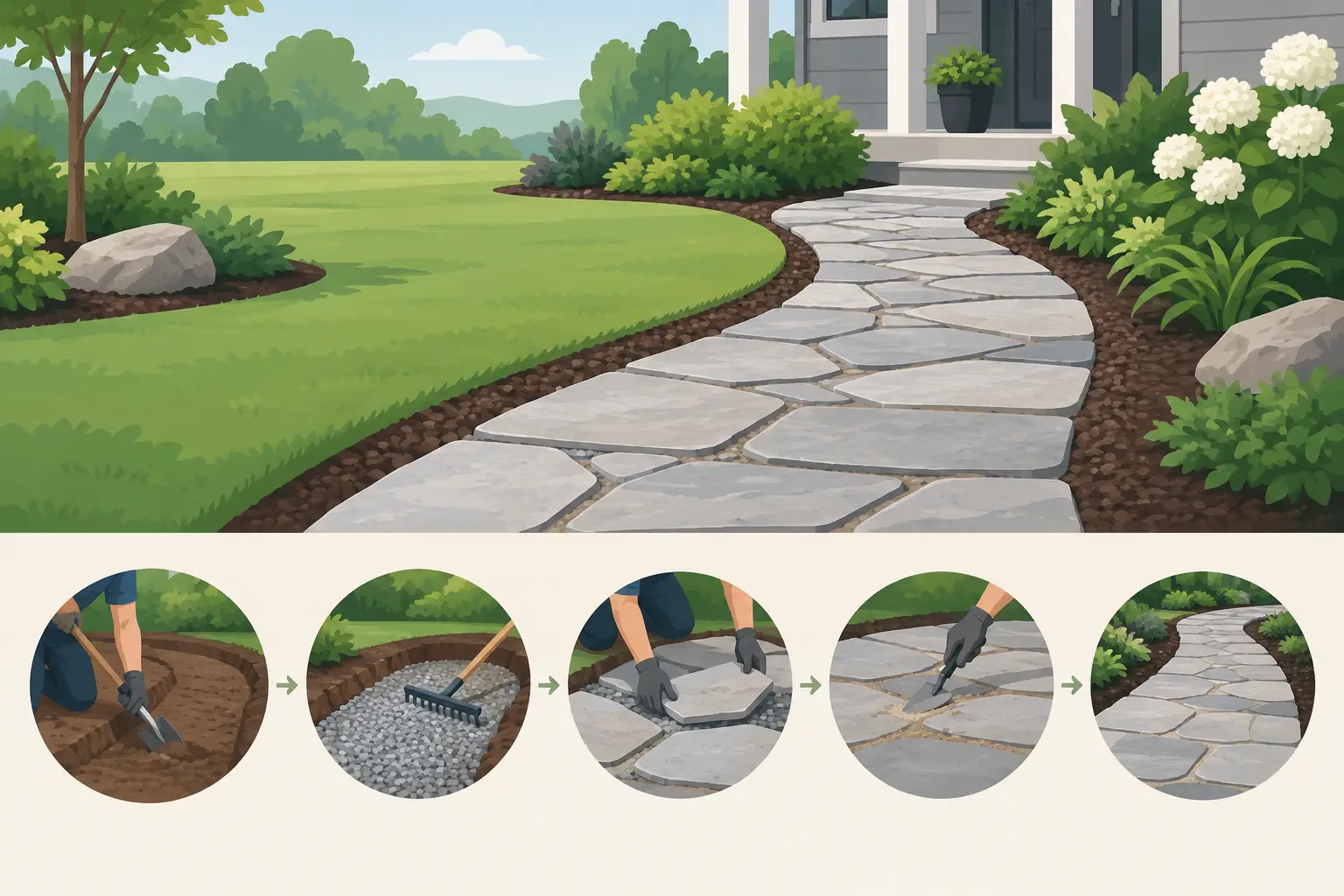
A quality paver installation starts below the surface. The contractor should evaluate the existing grade, excavate to the proper depth, install a compacted base, set appropriate edging, and create a slope that moves water away from the home. You may not see most of that work once the project is complete, but former customers often mention it in a detailed review.
A five-star rating is a useful starting point, not a final answer. Read the written feedback, especially reviews from projects completed several months or years ago. A homeowner who reports that their patio still drains well, remains level, and looks clean after multiple seasons is giving you far more useful information than a one-line comment posted on installation day.
Read Beyond the Star Rating
Start by looking for patterns across many reviews. One unhappy customer does not automatically mean a contractor does poor work. Construction projects involve weather delays, material availability, site surprises, and personal preferences. What matters is whether the same concern appears repeatedly and whether the company responds professionally when something goes wrong.
Strong reviews usually mention specific parts of the experience. Homeowners may describe a crew arriving when promised, protecting the yard during demolition, explaining changes before proceeding, or leaving the job site clean at the end of the day. Those details show that the contractor has an organized process rather than simply a good sales pitch.
Pay close attention to reviews that mention water. Positive comments about drainage, grading, and a dry patio after rain are especially valuable in the Dallas area. On the other hand, repeated complaints about puddling, shifted pavers, loose edges, or sand washing out between joints deserve serious attention. Those issues may point to shortcuts in base work, compaction, or water management.
It also helps to separate complaints about price from complaints about workmanship. A homeowner may be disappointed that a quality patio costs more than expected. That does not necessarily reflect poor service. But a review describing surprise charges, vague estimates, missed deadlines without communication, or a contractor who stopped answering calls is a bigger concern.
What Reliable Patio Reviews Usually Mention
The best paver patio contractor reviews often include practical details that are hard to fake. They show what it was like to work with the company before, during, and after installation.
Look for reviews that address these five areas:
- Clear planning: The contractor measured the space, discussed the patio’s intended use, explained material options, and provided a written scope of work.
- Proper site preparation: Customers mention excavation, grading, compaction, drainage corrections, or careful handling of existing landscaping.
- Crew professionalism: The installers showed up, worked efficiently, respected the property, and kept the work area as orderly as possible.
- Communication: The company answered questions, explained weather or schedule changes, and addressed concerns without making the customer chase them down.
- Long-term performance: The patio remained stable, drained correctly, and continued to look good after normal use and changing weather.
Photos can add context, but they should not be the only proof you rely on. A freshly swept paver patio photographs well even if the base beneath it is not properly prepared. When photos are paired with a detailed description of the work and a review written after the patio has been used for a while, they become much more meaningful.
Paver Patio Contractor Reviews Should Match Your Project
A contractor can receive excellent reviews for a small front walkway and still not be the right fit for a large backyard patio, pool deck, retaining wall, or outdoor kitchen area. Look for feedback from customers whose projects resemble yours in size, materials, and complexity.
If your property has a slope, drainage trouble, mature trees, or an existing concrete slab, find reviews that mention similar challenges. A patio installation around a pool also requires different planning than a simple seating area off the back door. The right contractor should understand how the patio connects to surrounding turf, sod, artificial grass, landscaping, fences, and drainage paths.
This is where a full-service outdoor contractor can make a real difference. Instead of treating the patio as an isolated square of pavers, the installer can plan how it works with the rest of the yard. Sod Green approaches hardscape projects with the whole outdoor space in mind, including grade, surface transitions, drainage, and the finished appearance around the patio.
Watch for Review Red Flags
Short reviews are not always bad, but a profile filled with generic comments such as “great job” or “highly recommend” gives you limited information. You want evidence that the contractor can manage a real project, not just evidence that they have collected ratings.
Be cautious when recent reviews suddenly look very different from older ones. A change in ownership, crews, or service quality can affect the customer experience. It is also worth noticing whether the business replies to concerns. A thoughtful response that offers to inspect or correct an issue can show accountability. An argumentative response, blame shifting, or total silence may tell you how a future problem will be handled.
Another red flag is a contractor who pressures you to make a decision before discussing the site conditions. No review can replace an in-person assessment. The installer should inspect access to the backyard, existing elevations, drainage direction, utility considerations, and how the new patio will meet nearby surfaces.
Use Reviews to Ask Better Questions
Once you have narrowed your list, use what you learned from reviews during the estimate. Ask how deep the excavation will be, what base materials will be used, how the crew will compact the patio, and where water will drain after a heavy rain. Ask whether edging is included, how joints will be finished, and what protection is provided for nearby landscaping.
You should also ask who will perform the work. Some companies sell the project and hand it off without much oversight. Others use trained installation crews and maintain responsibility from the first measurement through final cleanup. A direct answer matters because workmanship is only as good as the people building the base and setting every paver.
Finally, compare estimates by scope, not price alone. The lowest quote may leave out excavation, drainage improvements, removal of existing materials, edging, or cleanup. A clear proposal makes it easier to understand what you are paying for and reduces the chance of surprises once work begins.
A well-built patio should make your backyard easier to enjoy, not give you another surface to worry about after every storm. Choose a contractor whose reviews show consistent workmanship, honest communication, and pride in the finished space, then make sure their on-site plan gives your property the same level of attention.





Leave A Comment