 Skip to content
A great-looking yard is decided long before the first roll of sod or section of turf reaches the property. This residential landscape installation checklist helps Dallas homeowners avoid the common problems that lead to uneven lawns, standing water, failing plants, and expensive rework later. The goal is simple: build an outdoor space that looks finished on day one and performs well through Texas heat, rain, pets, kids, and regular use.
Start With a Clear Plan for How You Use the Yard
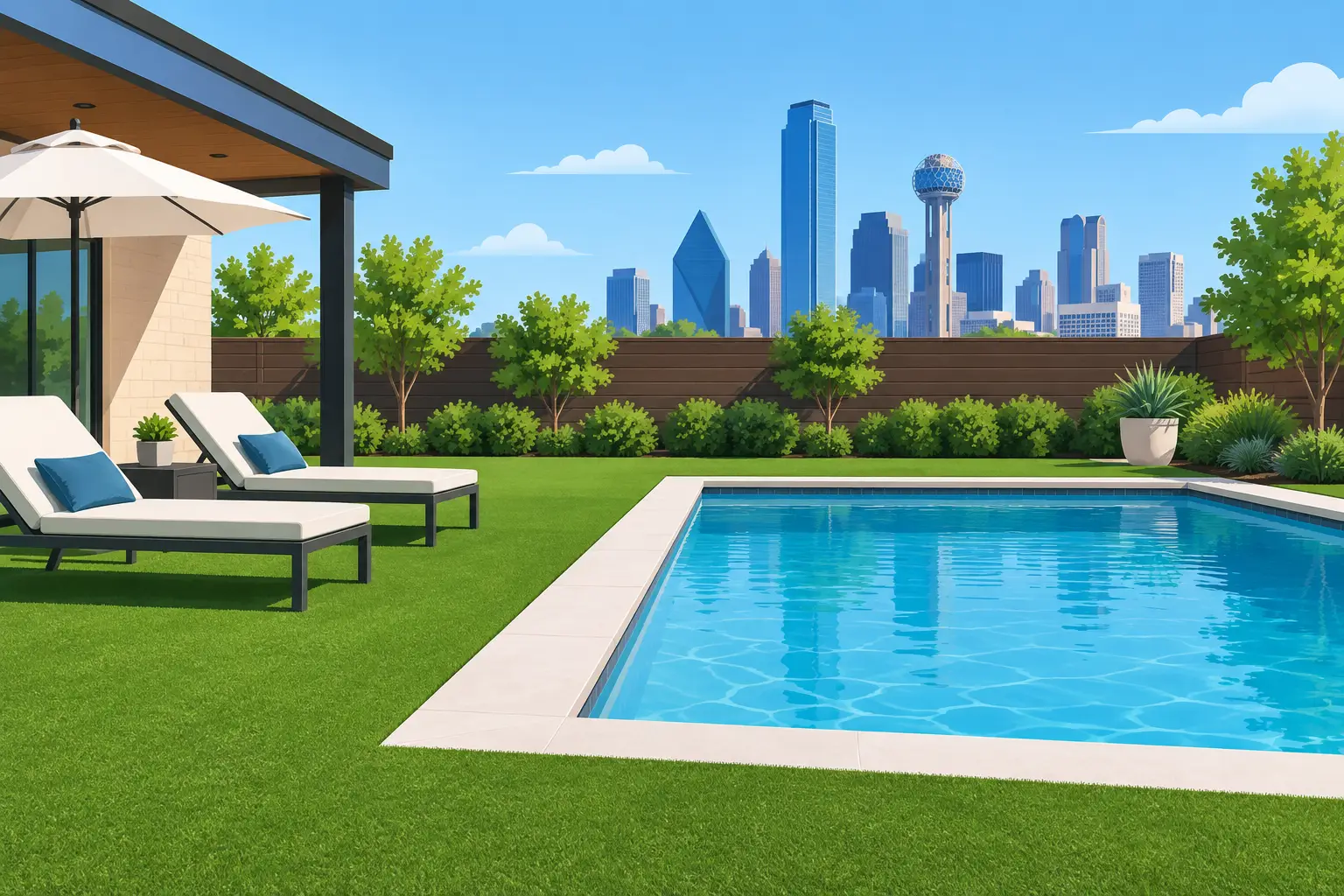
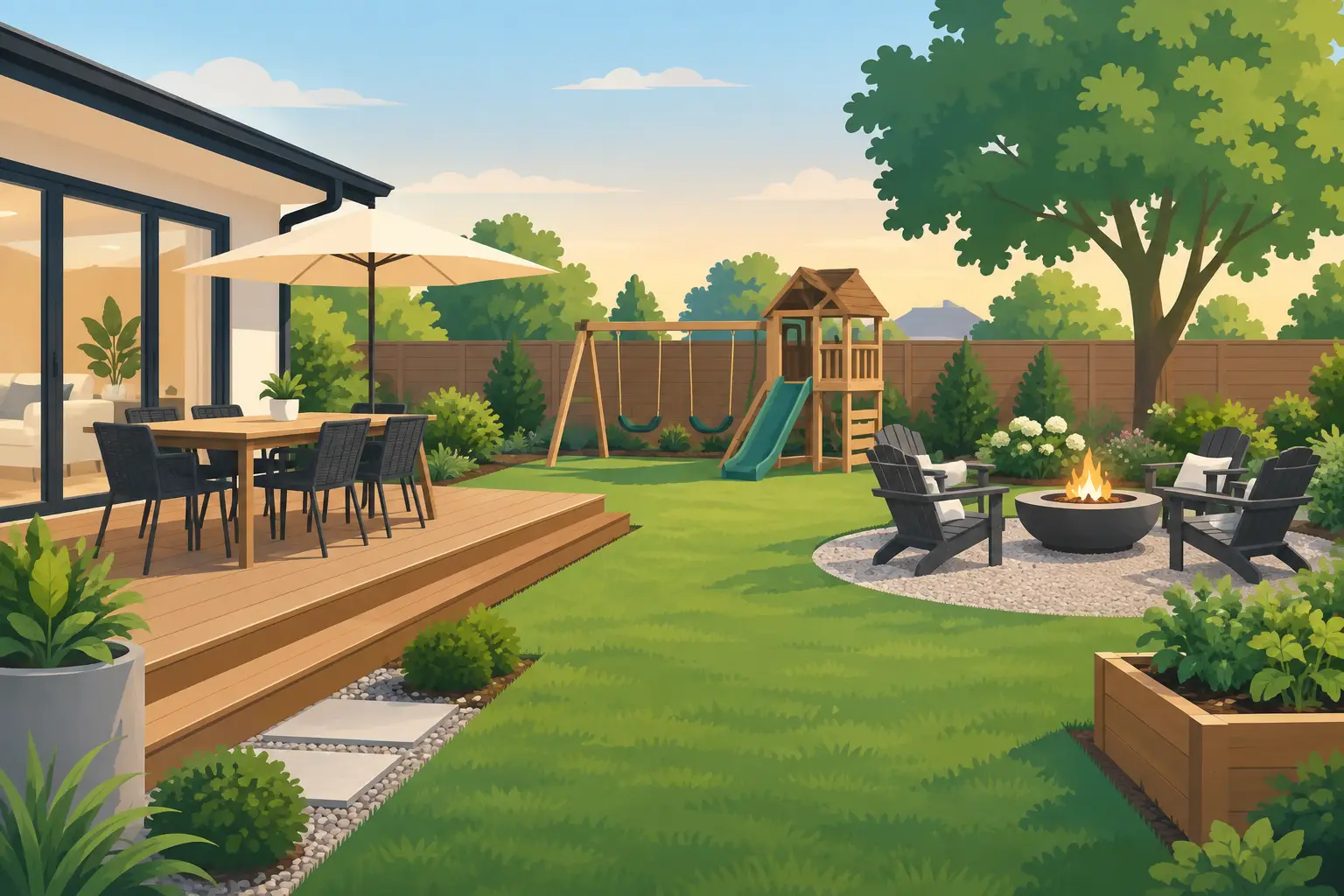
A landscape plan should fit the way your household actually lives. A front yard may need strong curb appeal and a clean path to the entry. A backyard may need open play space, a low-maintenance pet area, a pool surround, a patio for entertaining, or a putting green that gets used every weekend.
Walk the property and identify the areas that matter most. Pay attention to traffic patterns, gates, hose connections, utility boxes, pool equipment, and places where water collects after rain. A beautiful planting bed is not much help if it blocks access to an AC unit, and a lush lawn will not stay healthy if the kids and dogs use the same narrow path every day.
Before installation begins, decide which surfaces belong where. Natural sod can be the right choice for larger open lawns that receive adequate sun and can be watered consistently. Artificial grass makes sense for high-traffic zones, shaded areas, dog runs, small side yards, and homeowners who want a consistently green appearance with less mowing and watering. Stone, pavers, flagstone, and gravel can define gathering areas while reducing the amount of lawn that needs care.
Confirm the Budget and Scope Before Work Starts
A quote should spell out more than the finished surface. Ask what happens below the surface and around the edges, because those details determine whether the project lasts. The lowest price can become the most expensive option if it leaves out base preparation, drainage work, edging, haul-off, or site cleanup.
A complete residential landscape installation checklist should confirm these project basics:
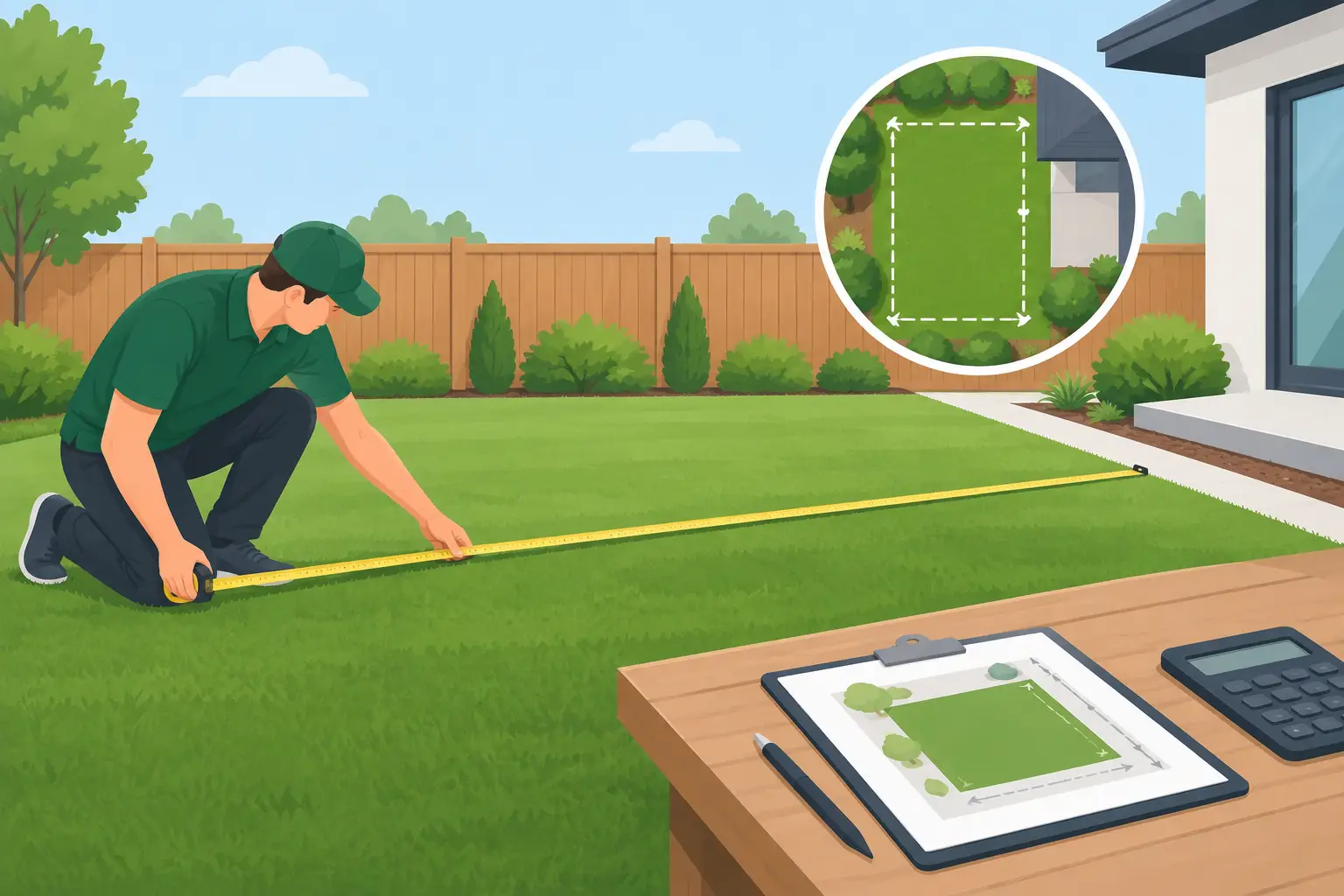
- The square footage and exact installation areas
- Materials, colors, turf or sod variety, and hardscape selections
- Excavation depth, grading, base materials, and compaction method
- Drainage additions, irrigation adjustments, and utility considerations
- Edging, transitions, cleanup, and removal of old material
If your project includes several features, such as sod, a flagstone patio, and landscape beds, coordinate the sequence before anyone starts. Grading and drainage work come first. Hardscape installation generally needs to happen before final turf or sod placement so heavy equipment and foot traffic do not damage the finished lawn.
Check Drainage and Grade First
In North Texas, drainage is not an optional upgrade. Heavy rain can expose every weak spot in a yard, especially where clay soil holds water near the surface. If runoff moves toward the house, patio, pool deck, or neighbor’s property, simply adding new grass will not solve the issue.
The finished grade should guide water away from the foundation and avoid low areas that stay muddy. Depending on the property, the right solution may include reshaping the grade, extending downspouts, adding catch basins, installing channel drains, or using French drains to move water to an approved discharge area.
This is also the time to inspect existing irrigation. Sprinkler heads may need to be capped, moved, raised, or adjusted around new beds and hardscape. Natural sod needs proper coverage to establish strong roots. Artificial turf does not need irrigation for growth, but drainage beneath the turf still matters, especially in pet areas and around pools.
Prepare the Ground for the Surface You Chose
The installation method should match the material. Good results come from proper preparation, not from rushing to the finish line.
For sod installation
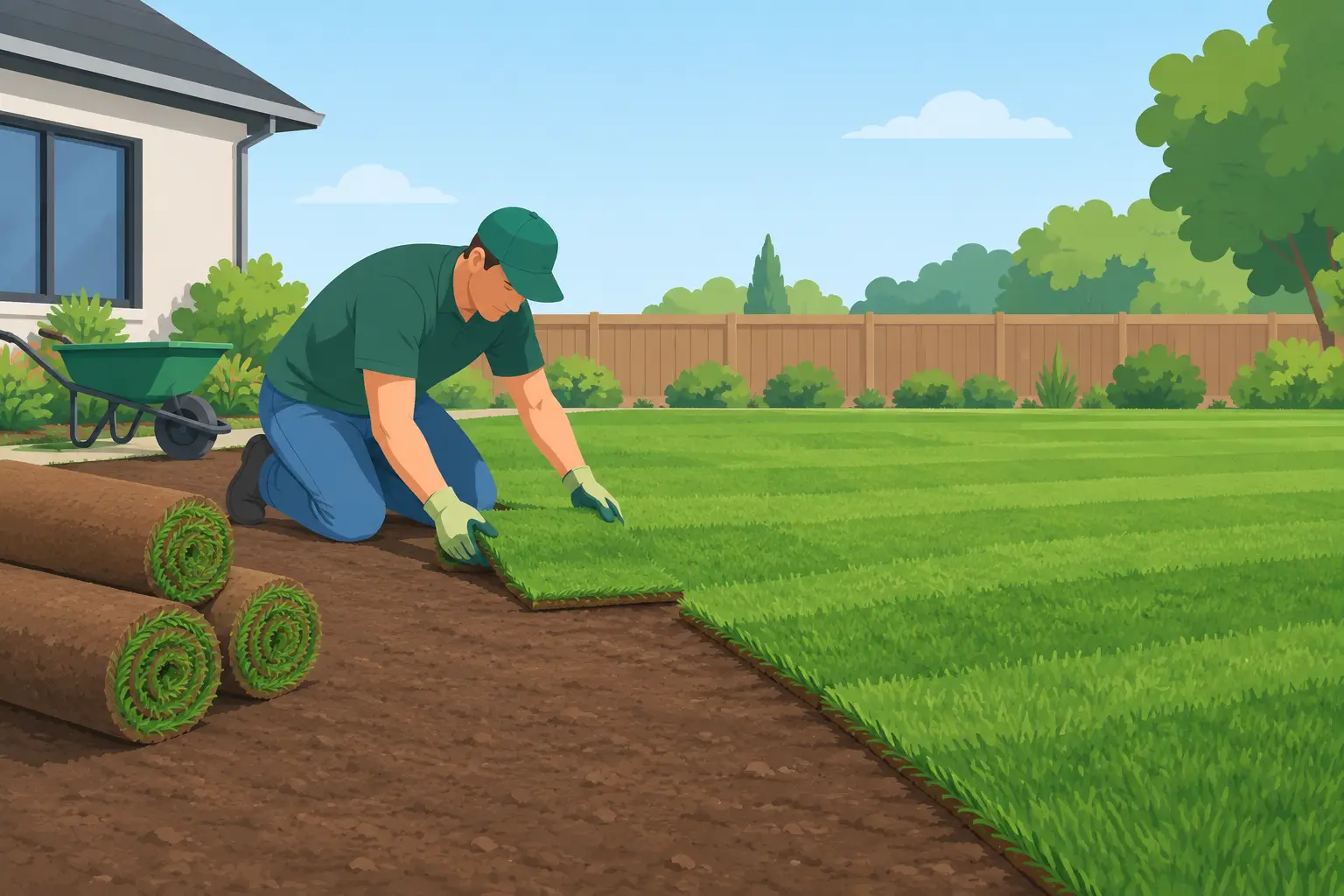
Remove old grass, weeds, rocks, and debris. The soil should be graded, loosened where needed, and amended based on its condition. Dense clay may benefit from compost or other soil improvements to support rooting and water movement. Fresh sod needs direct contact with prepared soil, tightly fitted seams, and prompt watering after installation.
For Dallas-area lawns, sun exposure should guide grass selection. Bermuda performs well in full sun and handles traffic well. St. Augustine can be a better fit for some shaded yards, though it has different watering and maintenance needs. No grass type will perform at its best if the area receives too little sunlight or stays wet for long periods.
For artificial grass installation
Artificial turf needs excavation and a stable, compacted base. The installer should remove existing material to the correct depth, establish the desired slope, install a suitable aggregate base, and compact it in layers. A level-looking surface is not enough. The base must be firm and shaped for drainage so the turf does not develop waves, dips, or soft spots.
Quality turf installation also includes secure edging, properly joined seams, trimmed cuts around curves and obstacles, and the right infill for the application. Pet-friendly turf may need a deodorizing infill and a drainage-focused base. A backyard putting green needs contouring, cup placement, fringe turf, and a surface designed for realistic ball roll. These are different systems, not one-size-fits-all turf projects.
For stone and hardscape work
Patios, walkways, retaining walls, and flagstone need a stable foundation. The base depth, compaction, and drainage requirements depend on the material, soil conditions, and intended use. A pathway that only sees foot traffic has different needs than a patio that supports outdoor furniture, a grill, and regular entertaining.
Check that hardscape surfaces have enough slope to shed water without feeling noticeably tilted. Plan joint material, border restraints, and transitions to grass or turf. Clean lines at these connections make the whole property look more intentional.
Protect Existing Features and Access Points
Before work starts, mark utilities and identify anything that needs protection. That includes irrigation lines, outdoor lighting, tree roots, fences, pool equipment, gas meters, and drainage outlets. Mature trees deserve special attention. Excessive excavation or heavy equipment near roots can create problems that do not show up until months later.
Also consider access. Can materials and equipment reach the backyard through a side gate? Will a fence panel need temporary removal? Where will soil, sod, pavers, or turf rolls be staged? A professional crew plans these details to reduce disruption and keep the job site organized.
Homeowners can help by clearing furniture, toys, planters, and vehicles from work areas before the crew arrives. If pets use the yard, arrange a safe place for them during installation and while new sod is establishing.
Finish the Details That Make the Yard Look Complete
The final stage is where a project goes from installed to polished. Check the edges along driveways, fences, beds, patios, and curbs. Look for clean cuts, consistent lines, and secure transitions. Make sure drains are visible and functional rather than buried under mulch, turf, or soil.
Landscape beds should be shaped to complement the home and leave enough room for plants to mature. Choose plants that fit the available sun and the level of maintenance you want. In Texas, a low-maintenance landscape often means fewer high-water plants, well-defined beds, mulch to hold moisture, and a practical irrigation plan.
Do not overlook cleanup. Old sod, soil piles, packaging, and construction debris should be removed. The yard should be raked, swept, and ready to use, not left as a cleanup project for the homeowner.
Know the First 30 Days of Care
New sod needs consistent watering during its establishment period, followed by a gradual shift to deeper, less frequent watering. Avoid heavy use until the roots have taken hold. Your installer should provide clear guidance based on the sod type, season, and current weather.
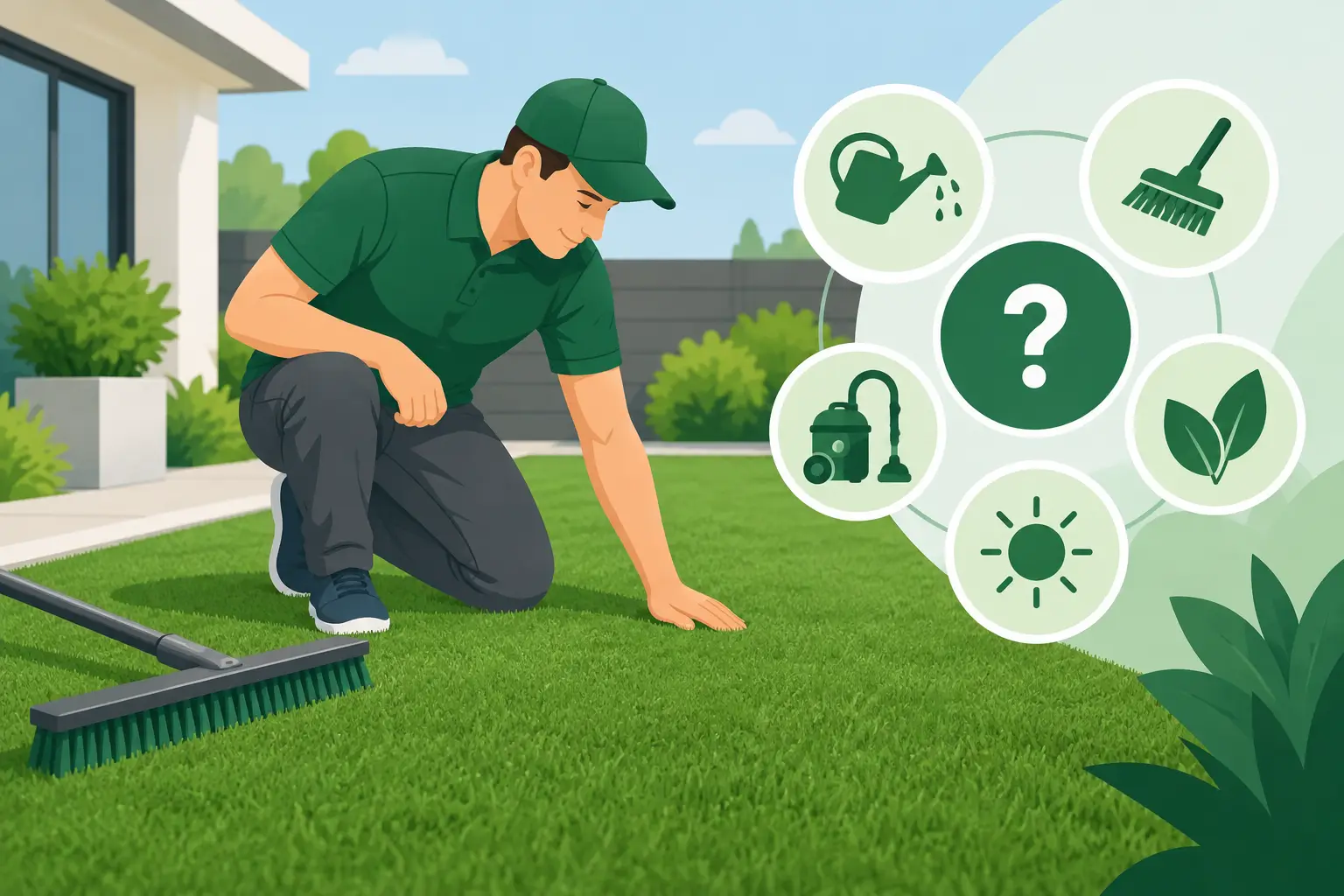
Artificial grass needs far less routine care, but it is not no-care. Rinse pet areas as needed, remove leaves and debris, brush high-traffic fibers upright, and address spills promptly. Hardscape should be kept clear of soil and organic debris so drainage paths and joints stay in good condition.
A well-planned yard should make life easier, not give you another weekend project. When grading, materials, installation, and finishing details are handled correctly from the start, your outdoor space is ready for the way you want to live in it. For homeowners who want one experienced team to coordinate turf, sod, drainage, and hardscape work, Sod Green can help turn that plan into a clean, durable finished landscape.


Leave A Comment