 Skip to content
A walkway should do more than get people from the driveway to the front door. It should make the route obvious, stay stable after heavy rain, and add a finished look to the property. Knowing how to design outdoor walkway plans that fit your home starts with the ground underneath it, not just the stone or pavers you see on top.
For Dallas-Fort Worth homeowners, heat, clay soil, drainage, and everyday foot traffic all affect the right design. A beautiful path that holds water, shifts after one season, or feels too narrow will quickly become a frustration. Good planning gives you a walkway that looks clean on day one and performs for years.
Start With the Way People Actually Move
The best walkway routes usually follow the path people already take. Look for worn grass between the driveway and entry, from the back door to the pool, or from a patio to a gate. Those areas tell you where a path is needed.
A straight walkway works well for a formal front entrance, especially when the front door, porch, and driveway line up. A gently curved path often feels more natural in a backyard or garden and can soften the look of a large lawn. Curves should have a purpose, though. Too many tight turns make a small yard feel busy and can make moving a mower, cooler, stroller, or trash bin more difficult.
Before selecting materials, mark the proposed route with a hose, rope, landscape paint, or stakes. Walk it several times from each direction. Open the car door, carry groceries, and picture guests arriving after dark. This simple test often reveals where a path needs to be wider, straighter, or moved away from a planting bed.
Choose a Walkway Width That Feels Comfortable
Walkway width changes how the entire space feels. A narrow path may save material costs, but it can look undersized against a wide home and become inconvenient for daily use.
For most residential front walks, 36 to 48 inches is a practical range. Three feet can work for a side yard path with limited space, while four feet gives two people room to walk side by side. A primary route from the driveway to the entry often benefits from the extra width because it handles guests, package deliveries, and everyday traffic more comfortably.
Backyard paths depend on the purpose. A small garden route may be 30 to 36 inches wide. A path leading to a pool, outdoor kitchen, or putting green should be wider and built to handle wet feet, furniture movement, and frequent use. If the path will connect to a gate used for lawn equipment, measure the equipment first. Designing around the real use prevents an expensive redo later.
Plan Drainage Before Installing Any Surface
Drainage is one of the most important parts of how to design an outdoor walkway in North Texas. Dallas-area clay soils can expand when wet and shrink during dry periods. Without a stable base and a clear plan for water, pavers and stone can settle, separate, or develop low spots.
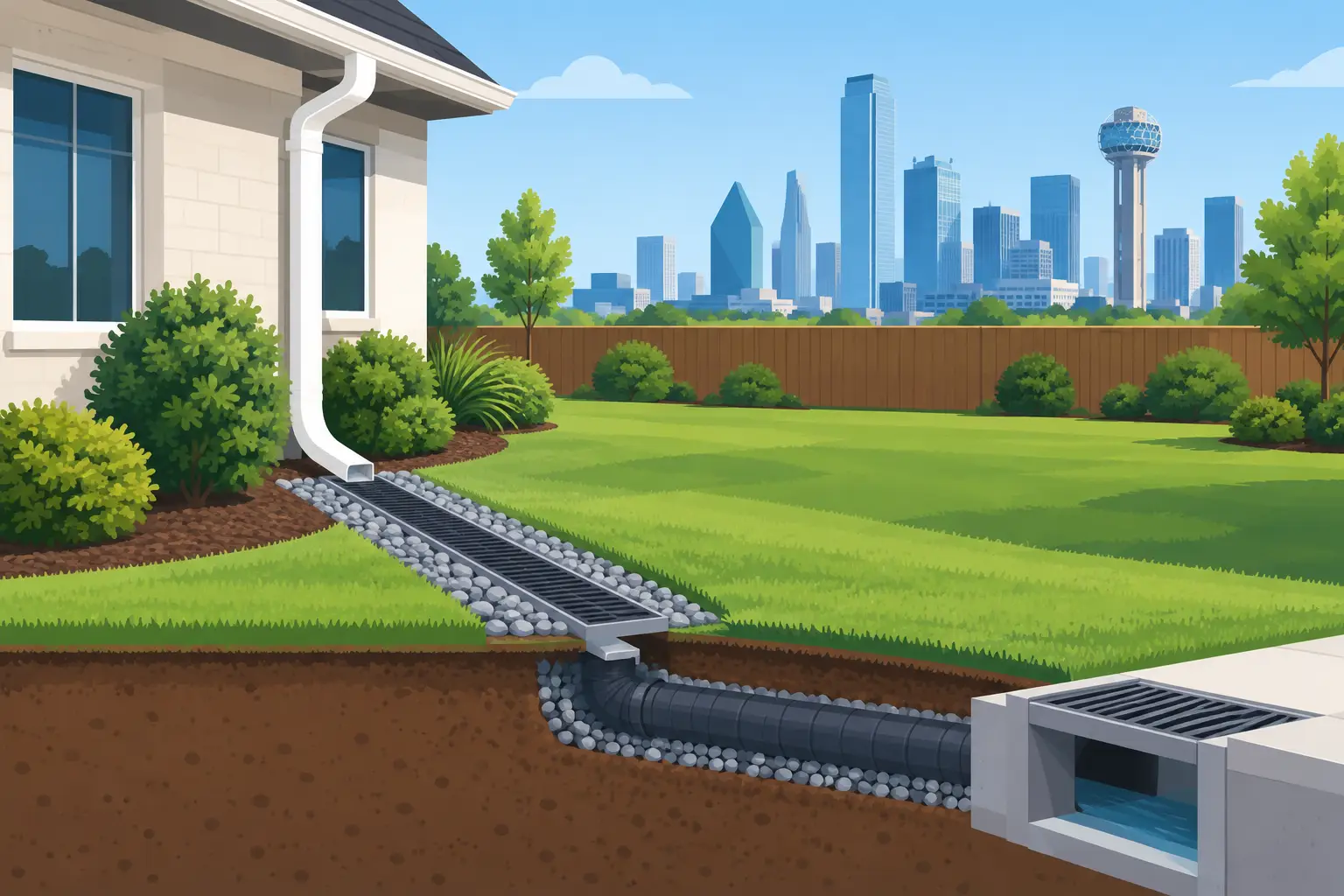
A walkway needs a slight slope so water moves away from the home. The exact grade depends on the site, but the goal is simple: do not direct runoff toward the foundation, patio, or garage. If a route crosses a low area, the project may need base adjustments, a drainage channel, gravel, or a French drain system to keep water from collecting beneath the surface.
Pay close attention to roof runoff. Downspouts that empty directly beside a walkway can wash out joints and create slippery areas. Extending the discharge point or tying it into a proper drainage solution protects both the hardscape and the home.
This is where professional site preparation matters. A clean installation is not just about straight edges and good-looking stone. It means grading the area correctly, compacting the base in layers, and addressing water before the finish material goes down.
Select Materials for Your Home and Daily Use
There is no single best walkway material for every Dallas property. The right choice depends on the architecture of the home, the amount of traffic, the budget, and how much maintenance you are willing to handle.
Concrete pavers are a popular choice because they offer a clean, consistent appearance and can be replaced individually if damage occurs. They come in colors and patterns that work with both traditional brick homes and modern exteriors. Pavers also provide defined joints that can help a surface look less plain than a large concrete slab.
Flagstone gives a more natural Texas landscape look. It works especially well around garden beds, patios, artificial grass, and informal backyard spaces. Irregular flagstone can be beautiful, but it requires careful placement to keep the walking surface safe and reasonably level. Large gaps between stones may look relaxed, yet they can catch heels, collect debris, and make the route harder to use.
Poured concrete is durable and cost-effective for many front walks and side yards. Adding a broom finish improves traction, while saw cuts or decorative borders can give it more character. Concrete is less forgiving than pavers if the ground moves, so a properly prepared base and control joints are essential.
Gravel paths have a place in low-traffic garden areas, but they are usually not the best choice for a main entry route. Gravel can migrate into turf, beds, and shoes. It also needs edging and periodic replenishment. For homeowners who want a polished, low-maintenance result, stone, pavers, or concrete are often better long-term choices.
Build the Base for Long-Term Stability
The visible surface gets the attention, but the base does the hard work. A walkway built over loose soil or poorly compacted fill may look fine at first and then shift as the ground cycles through wet and dry weather.
Professional installation generally begins with excavation to the correct depth, followed by a compacted aggregate base. The depth varies based on the chosen material, soil conditions, and expected traffic. A sand setting bed may be used beneath pavers, while flagstone can require a different installation method depending on whether the desired look is mortared, dry-laid, or set in a prepared base.
Edge restraint matters as well. Pavers need secure edging to prevent the outer pieces from spreading over time. Natural stone needs stable support around its perimeter so pieces do not rock or tilt. Skipping these details can save money upfront, but it usually creates repair costs later.
Make Transitions Safe and Easy to Maintain
A good walkway should connect cleanly with the driveway, porch, patio, gate, or lawn. Avoid abrupt height changes where possible. A small lip can become a trip hazard, especially near a front entry or pool area.
Think about the edges, too. Crisp borders keep mulch, soil, and grass from creeping onto the walking surface. If the path meets natural sod or artificial turf, a well-defined edge keeps the installation looking intentional and makes routine cleanup easier.
Lighting is worth considering while the walkway is being designed. Low-voltage path lights, step lights, or subtle uplighting near an entry can make the route safer after sunset and improve curb appeal. The goal is not to flood the yard with bright fixtures. A few well-placed lights should clearly show changes in direction, steps, and surface transitions.
Coordinate the Walkway With the Rest of the Landscape
A walkway looks best when it belongs to the overall property instead of sitting on top of it. Match or complement existing materials such as brick, patio stone, exterior paint colors, and retaining wall finishes. A modern home may look best with large-format pavers and simple lines, while a traditional home can carry warmer stone tones and more classic patterns.
Planting beds can frame the path without crowding it. Keep mature plant size in mind so shrubs do not spill across the walkway within a year or two. In tight side yards, choose plants that will not trap moisture or debris against the surface.
If your yard includes artificial grass, a putting green, a new sod area, or a patio project, plan all of it together. Coordinating elevations and drainage from the beginning creates a cleaner finish than adding separate elements one at a time. Sod Green helps homeowners combine hardscape, turf, sod, and drainage work into one organized outdoor transformation.
When to Bring in a Walkway Professional
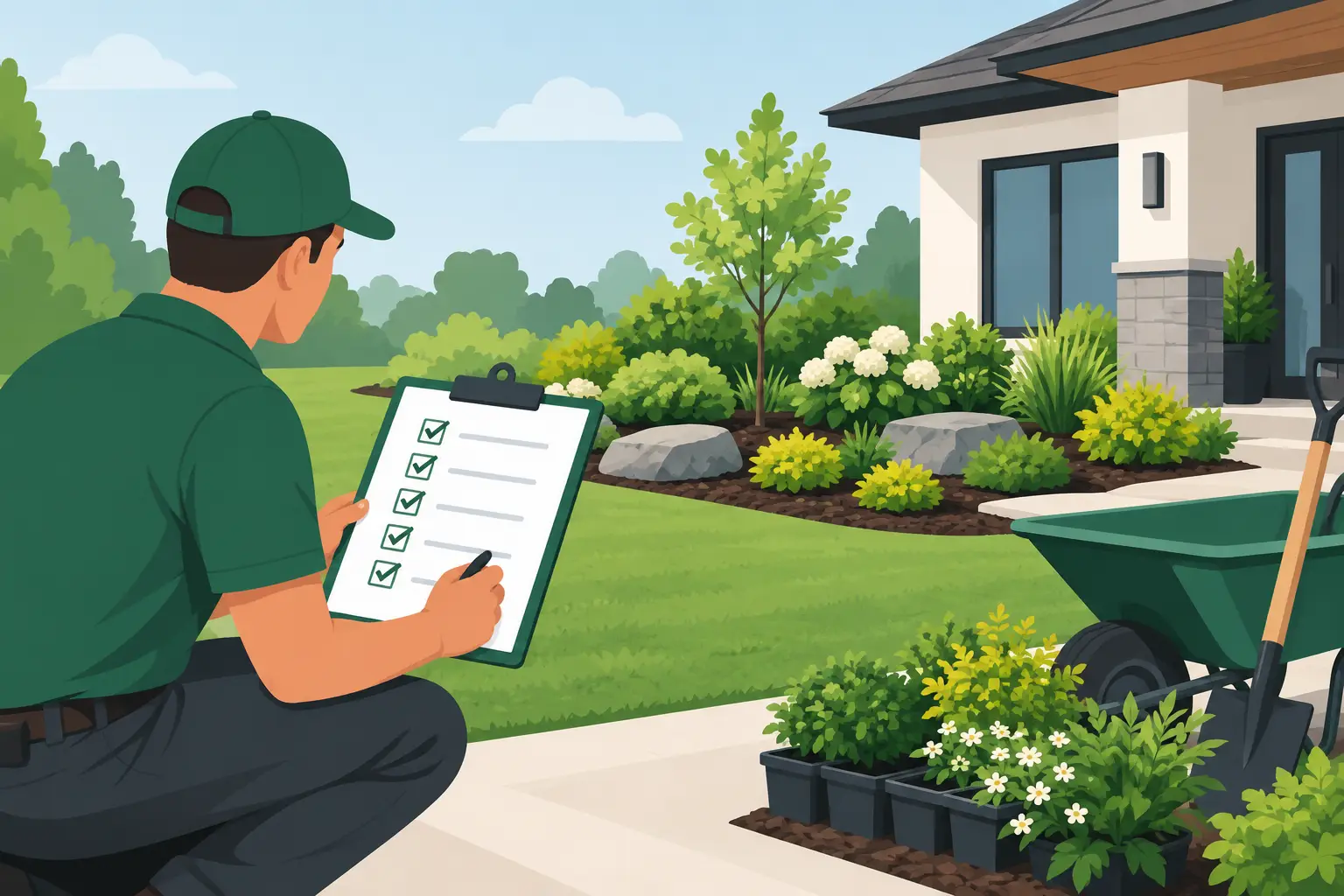
A simple stepping-stone garden path can be a manageable weekend project. A front walkway, pool route, sloped yard, or path with drainage concerns is different. Those projects require accurate grading, excavation, material calculations, compaction, and finishing details that are hard to correct after installation.
Ask a contractor how they prepare the base, manage water flow, protect nearby landscaping, and clean up the job site. The lowest quote is not always the best value if it leaves out excavation, proper base material, edge restraint, or drainage work. A clear scope of work helps you compare proposals fairly.
The right outdoor walkway should feel effortless to use. When the route is natural, the surface is stable, and the materials fit the home, it becomes one of those upgrades you appreciate every time you walk outside.



Leave A Comment