 Skip to content
If a pallet of sod is sitting in your driveway in a Texas summer, the clock is already ticking. That is usually what homeowners really mean when they ask, how long does sod last. They want to know how quickly it needs to be installed, how long it takes to root, and how many years they can expect that new lawn to hold up.
The short answer is this: cut sod is best installed the same day it arrives, and once it is properly installed and established, it can last for many years like any healthy lawn. The catch is that those are two very different timelines. One is about survival before installation. The other is about long-term performance after installation.
How long does sod last before installation?
Fresh sod is a perishable product. Once it is cut from the farm, it starts losing moisture and stressing almost immediately. In mild weather, sod may remain usable for 24 to 48 hours if it is stacked properly and kept shaded. In hot weather, especially in Dallas-Fort Worth, that window can shrink fast. During peak summer heat, sod can begin heating up, drying out, and deteriorating within hours.
That is why professional scheduling matters. Sod should not be ordered too early and left sitting around while other parts of the project catch up. The ground needs to be prepped first, irrigation should be ready, and installation should happen as soon as the material arrives.
If you unroll sod and it smells sour, feels hot in the middle of the stack, or has yellowing and slimy sections, it has likely started to break down. At that point, even if some of it survives, you are already behind.
Texas heat changes the timeline
This is where homeowners get caught off guard. In cooler parts of the country, you might have a little breathing room. In North Texas, heat and sun do not give you much margin for error. A pallet sitting in full sun can build internal heat quickly, almost like compost. That trapped heat damages the roots and weakens the grass before it ever touches your soil.
For that reason, same-day installation is not just a best practice here. It is the standard if you want the best result.
How long does sod last after installation?
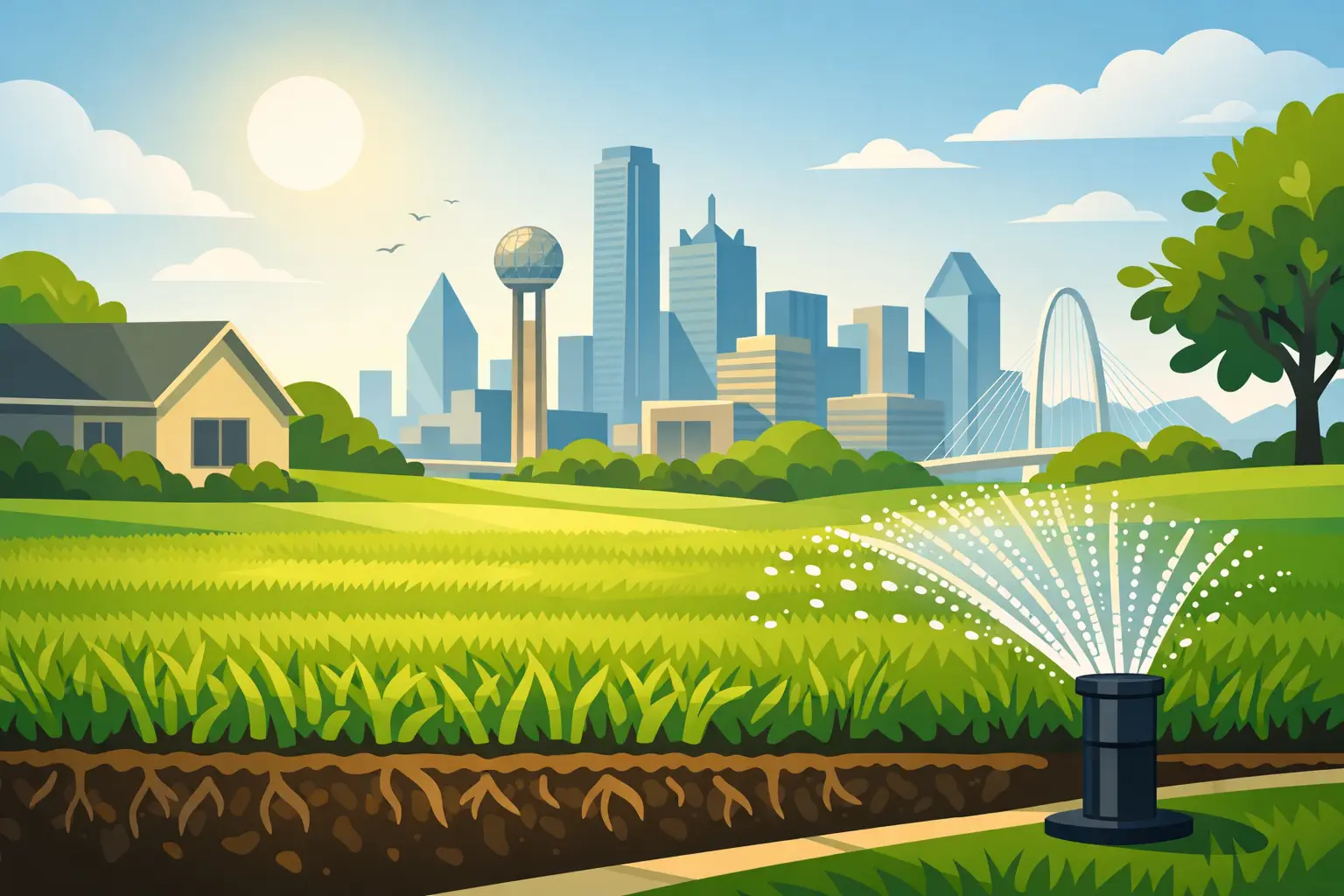
Once sod is installed correctly and cared for properly, it is not a temporary surface. It becomes your lawn. There is no set expiration date.
A well-installed sod lawn can last for many years, often decades, if the grass variety matches the site conditions and the lawn gets the right water, mowing, and seasonal care. If the sod fails early, the problem is usually not that sod “does not last.” The real issue is poor preparation, weak installation, bad drainage, too much shade, or inconsistent watering during the first few weeks.
That is an important distinction. Sod is not the weak option compared to seeded grass. In many cases, it gives homeowners a faster and more dependable path to a full lawn because it starts with mature, established turf rather than bare ground.
What affects how long sod lasts?
There is no honest one-size-fits-all answer because sod lifespan depends on conditions. Some lawns stay thick and healthy for years with routine care. Others struggle in the first season because the site was working against them from day one.
Soil preparation
Good sod starts below the surface. If the soil is compacted, full of debris, poorly graded, or lacking nutrients, the roots have a hard time moving down and anchoring. That leads to weak establishment and thin growth later.
Proper prep includes removing old material, grading for drainage, loosening the top layer of soil, and creating a clean, stable base. It is not the flashy part of the job, but it is what gives the lawn a real chance to last.
Watering in the first few weeks
New sod needs frequent watering right away because its roots have not yet grown into the native soil. If it dries out during that early window, pieces can shrink, edges can curl, and root development slows down.
Too much water can also create problems. Constantly soaked soil can invite disease and prevent roots from chasing moisture downward. The goal is consistent moisture early on, then a gradual move toward deeper, less frequent watering as the lawn establishes.
Grass type
Different sod varieties have different strengths. Bermudagrass handles full sun well and performs strongly in Texas heat, but it is not ideal for shady yards. St. Augustine does better with some shade, though it can be more vulnerable to certain pests and diseases. Zoysia offers a nice balance in some settings but can establish more slowly.
If the grass is wrong for the property, lifespan drops no matter how good the installation looks on day one.
Drainage and grading
Water has to go somewhere. If a yard holds water after rain or irrigation, sod can struggle from the roots up. Soggy areas lead to rot, fungus, and soft ground. On the other side, slopes that shed water too quickly can leave sections dry and stressed.
This is why drainage should be part of the conversation before sod goes down, not after the lawn starts failing.
Traffic from kids and pets
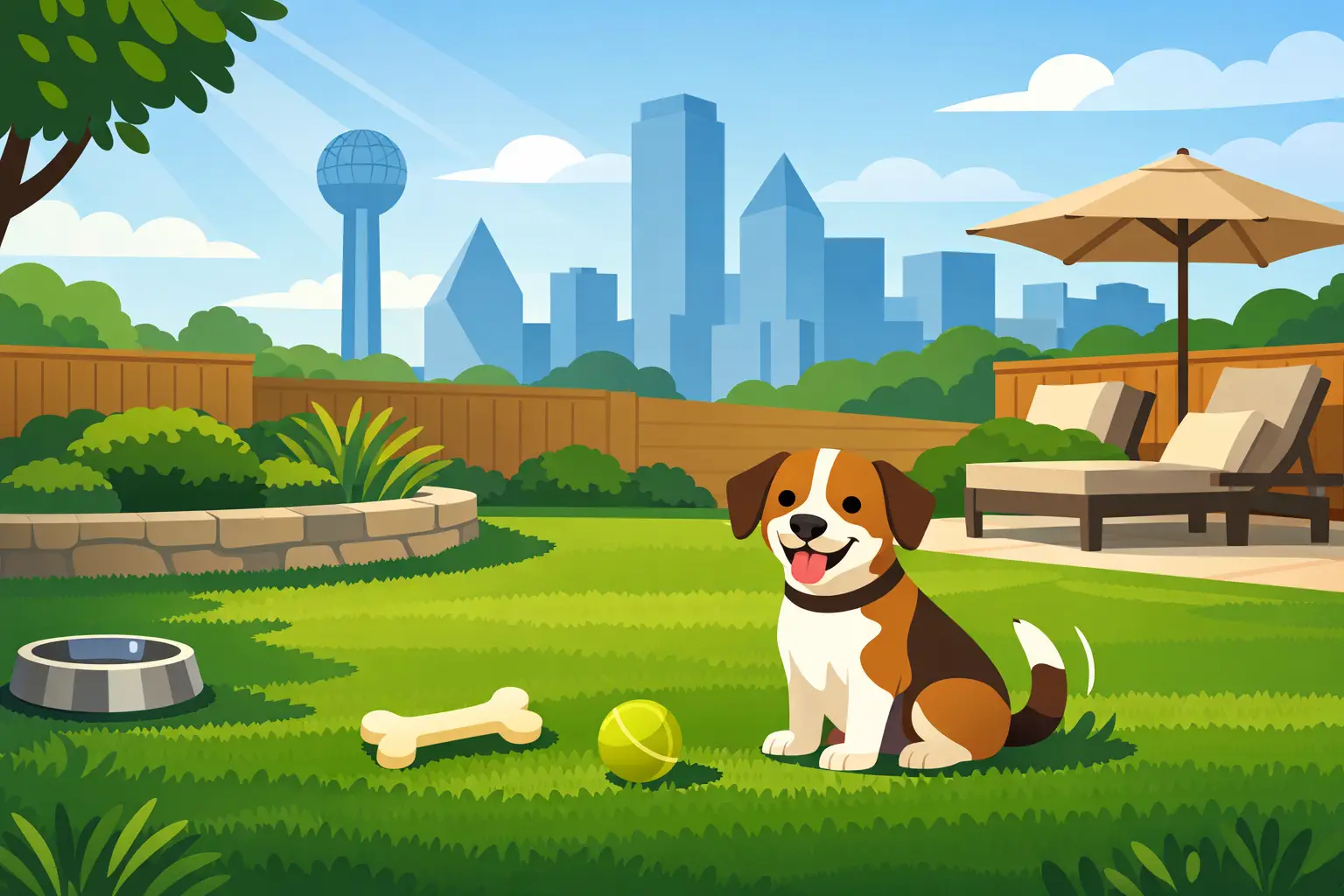
Sod can handle normal family use once it is rooted, but traffic too early can pull seams apart and slow establishment. Dog runs, play zones, and heavily used side yards typically wear out faster than low-traffic areas.
That does not mean sod is a poor choice for active households. It means those areas may need smarter planning, stronger grass selection, or in some cases an artificial turf solution if durability and low maintenance are the top priorities.
How long does sod take to root?
Most sod begins attaching to the soil within 10 to 14 days under good conditions. Full establishment usually takes several weeks, often around 4 to 6 weeks, though timing can vary based on season, grass type, soil condition, and watering.
You can gently test this by tugging on a corner. If it resists lifting, roots are starting to take hold. If it pulls up easily, it still needs time.
This rooting period matters because it is the bridge between short-term installation and long-term lawn performance. If the sod gets through this stage well, you are on much stronger footing going forward.
Signs your sod may not last
A new lawn does not have to look perfect every hour of every day, especially in the first week. Some minor stress is normal. But there are warning signs that point to deeper trouble.
Watch for persistent browning that does not improve with proper watering, gaps opening between rolls, a foul smell from the sod, mushy areas, or sections that stay loose and never root. Uneven color can be temporary. Widespread decline usually means something in the prep, water, or drainage plan needs attention.
Fast response matters. New sod problems are easier to correct early than after the lawn has fully declined.
How to make sod last longer
If you want sod to last, the main goal is not complicated. Install it fresh, install it right, and support it properly during establishment.
Start with professional site prep. That includes clearing the area, correcting grade issues, and making sure the base is ready for rooting. Install the sod quickly after delivery, keep it watered on schedule, and stay off it as much as possible until it anchors.
After that, treat it like a real lawn, not a finished product that can be ignored. Mow at the proper height for the grass type, water deeply once established, feed it on a smart schedule, and address drainage or irrigation issues before they become lawn-wide problems.
For homeowners who want immediate curb appeal without months of waiting, sod is one of the fastest ways to transform a yard. But speed only pays off if the job is done correctly from the ground up.
Is sod worth it if you want a long-lasting lawn?
For many homeowners, yes. Sod gives you instant coverage, erosion control, and a cleaner finished look right away. That is a big advantage over seed, especially if your yard is part of a larger landscaping project or you want the property usable sooner.
The trade-off is that sod has to be handled and installed correctly on a tight timeline. Seed gives you more flexibility on the front end but usually requires more patience, more weed control, and more uncertainty. Sod costs more up front, but it often saves time and delivers a more immediate result.
That makes it a strong option for homeowners who care about appearance, resale value, and getting the project done without dragging it out.
The bottom line on how long does sod last
So, how long does sod last? Before installation, not long at all, especially in Texas heat. After installation, it can last for years and years if the prep is solid, the grass is right for the property, and the early care is handled the right way.
That is why the installer matters as much as the material. A good sod job is not just about laying green rolls across the yard. It is about timing, grading, drainage, clean workmanship, and setting the lawn up to perform well long after install day. If you are investing in a new lawn, make sure the work underneath it is built to last.


Leave A Comment