 Skip to content
When buyers, neighbors, or guests pull up to your home, they make a decision fast. The lawn, the walkway, the driveway edges, the front beds – all of it sends a message before anyone reaches the front door. If you’re wondering how to upgrade curb appeal, the best results usually come from fixing the parts of your yard that look tired, uneven, or high-maintenance first, then adding a few clean finishing touches that make the whole property feel cared for.
A lot of homeowners in Dallas-Fort Worth think curb appeal means buying more plants or adding decorations. Sometimes that helps, but most of the time the bigger win comes from improving the structure of the front yard. Fresh grass, defined borders, solid drainage, and clean hardscape lines do more for a home’s appearance than a cart full of seasonal color ever will. Good curb appeal looks simple because the work underneath it was done right.
How to upgrade curb appeal starts with the lawn
The lawn usually takes up the most visual space in the front yard, so it has the biggest impact. If your grass is patchy, thinning, scorched by heat, or constantly muddy near the edges, it makes the whole property feel neglected. You can repaint the front door and swap the mailbox, but bad turf still pulls attention away from everything else.
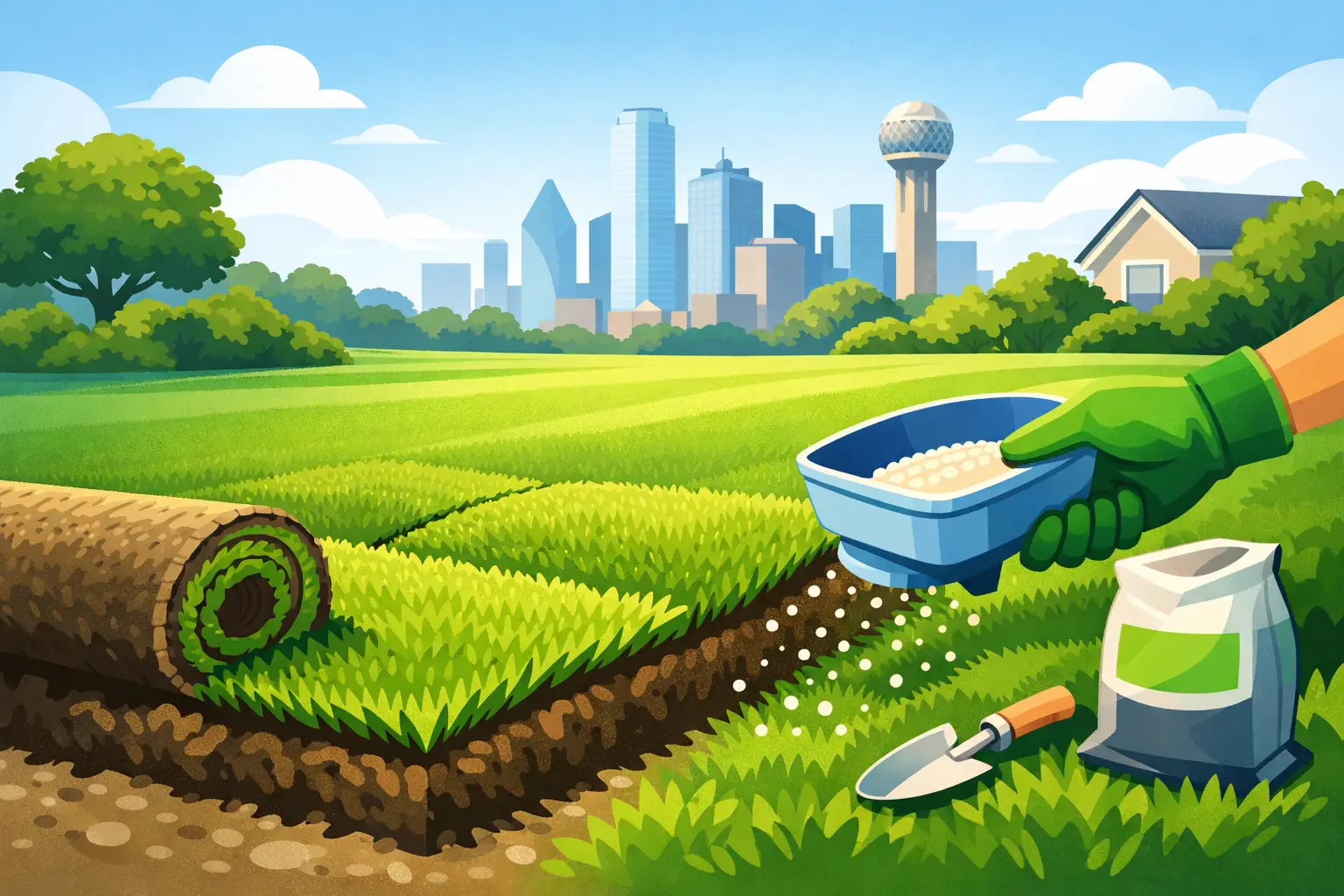
For many homes, new sod is the fastest way to create an immediate improvement. A properly installed sod lawn can turn a rough-looking yard into a clean, finished exterior almost overnight. That makes sense for homeowners who want natural grass and a quick transformation without waiting through a long grow-in period.
Artificial grass is another strong option, especially for homeowners who are tired of watering, brown spots, bare areas from pets, or constant upkeep. In the Texas heat, synthetic turf can give you a consistently green front lawn without the usual maintenance demands. It is not the right fit for every property, but for many families it solves both appearance and labor at the same time.
The key is choosing based on how you actually live. If you want a natural lawn and don’t mind seasonal care, sod can be the better route. If you want a polished look with low maintenance year-round, turf may be the smarter long-term investment.
Clean edges make the whole yard look more expensive
One of the most overlooked ways to improve a front yard is simply creating definition. Crisp lines between lawn and flower beds, a clearly shaped walkway, and tidy transitions along the driveway make a home look finished. Without those edges, even a nice yard can look loose and uneven.
This is where hardscape work matters. Stone borders, refreshed walkways, flagstone accents, and properly laid path materials give the eye a clear layout to follow. They also help with function. Beds stay contained, traffic moves where it should, and the front yard feels organized instead of improvised.
If your current path to the front door is cracked, narrow, or stained, replacing or upgrading it can change the look of the house more than most people expect. The front walk is one of the first features people physically interact with. When it feels solid and looks clean, the whole property reads better.
Fix drainage before you spend money on cosmetics
A yard that holds water, washes out mulch, or leaves soggy spots near the front entry will never look truly polished. Drainage problems show up as dead grass, soil erosion, stains, and muddy edges. Homeowners often try to cover that with more plants or fresh mulch, but the issue keeps coming back.
If your curb appeal problems are tied to poor drainage, that needs to be solved first. Regrading, drain solutions, and better material choices can protect the investment you make in sod, turf, planting areas, and hardscape. This is one of those areas where doing the hidden work pays off visually later.
A lot of front yard upgrades fail because the foundation wasn’t addressed. Water decides whether your lawn stays healthy, whether your walkway shifts, and whether your beds hold their shape. When the drainage is right, the entire yard is easier to maintain and easier to keep looking sharp.
Use planting beds to frame the home, not crowd it
Plants matter, but placement matters more. The best-looking front yards usually use beds to support the architecture of the house, not compete with it. That means keeping bed lines clean, choosing plants that fit the scale of the space, and avoiding the overplanted look that quickly turns messy.
In North Texas, simpler often works better. A few strong bed areas with dependable plant material can look cleaner and more upscale than a front yard packed with too many varieties. When the lawn is fresh and the hardscape is clean, the beds don’t have to do all the work.
If you’re already investing in sod or artificial turf, the planting design should complement that polished surface. Low-maintenance shrubs, controlled color, and enough spacing for mature growth usually outperform a busy layout. This is especially true if your goal is a front yard that still looks good when life gets busy.
Lighting adds curb appeal after dark
A home that disappears at night is missing half its visual value. Good landscape lighting helps with safety, but it also gives the exterior a finished look after sunset. Soft lighting along the walkway, near key planting areas, or on stone features can make the front yard feel more high-end without overdoing it.
The mistake is going too bright or lighting everything equally. You want the entry path to read clearly and a few important features to stand out. That creates depth and makes the property feel intentional.
If your yard already has strong bones – fresh turf, solid borders, and a clean entry path – lighting becomes a multiplier. It doesn’t have to be complicated to make a difference.
How to upgrade curb appeal without wasting money
The smartest approach is to work from big visual impact down to small details. Start with the lawn surface and grading. Then focus on the walkway, borders, and front bed shape. After that, look at accent pieces like lighting, decorative stone, or a refreshed entry zone.
What usually wastes money is doing the opposite. Homeowners often buy planters, house numbers, or seasonal flowers while ignoring the patchy grass and broken edging right in front of them. Those details can be nice, but they won’t carry the yard if the main surfaces still look worn out.
A good rule is simple: fix what covers the most square footage first. That usually means grass, turf, sod, drainage, and hardscape. Once those are right, smaller cosmetic upgrades finally have something solid to build on.
Match the upgrade to your maintenance goals
Not every homeowner wants the same result. Some want a natural, traditional front lawn. Some want the cleanest low-maintenance setup possible. Some are preparing to sell and need fast visual improvement. Others are staying long-term and want durability that holds up to kids, pets, and Texas weather.
That is why curb appeal upgrades should be practical, not just pretty. If you hate mowing and watering, installing a high-maintenance lawn because it looks good for one season is probably the wrong choice. If you love the look and feel of natural grass, then quality sod may give you the curb appeal you want without giving up that classic lawn appearance.
The best projects balance appearance, function, and upkeep. When those three line up, the yard keeps looking good instead of sliding backward a few months after the work is done.
The front yard should look finished, not overdesigned
Strong curb appeal is rarely about doing more. It is about making the property look clean, solid, and well cared for from the street. A smooth lawn, a defined walkway, healthy bed lines, and proper drainage do that better than trendy extras ever will.
For homeowners in Dallas-Fort Worth, the most reliable curb appeal upgrades are the ones built for heat, traffic, and real-life maintenance. That is where expert installation matters. When sod is laid correctly, turf is installed right, and hardscape is built to last, the home looks better now and stays that way longer. That’s the kind of result Sod Green is built to deliver.
If your front yard feels like it needs a full reset, start with the surfaces and structure first. Once those are right, curb appeal stops feeling like a constant project and starts looking like part of the home.



Leave A Comment