 Skip to content
A lot of homeowners choose turf because they are done fighting bare spots, muddy dog runs, and the weekly cycle of mowing, edging, and watering. But an artificial lawn maintenance guide still matters if you want that clean, finished look to last. Synthetic grass is low maintenance, not no maintenance, and the difference shows fast when leaves pile up, infill shifts, or pet areas are ignored.
The good news is that upkeep is simple when the turf was installed correctly in the first place. A solid base, proper drainage, and the right infill make routine care easier and help the surface hold its shape. Once that foundation is there, most homeowners only need a few basic habits to keep the lawn looking sharp.
What artificial lawn maintenance actually involves
Artificial grass does not need mowing, fertilizing, or sprinkler schedules, but it does need occasional cleaning and grooming. The goal is straightforward: remove debris, keep the blades standing up, manage odors if pets use the area, and make sure drainage stays open.
In a place like North Texas, wind, dust, heat, and heavy backyard use all add wear in different ways. A shaded side yard used by dogs will need different care than a sunny front lawn that mainly gets foot traffic. That is why the best maintenance routine is not complicated, but it should match how the space is used.
Your artificial lawn maintenance guide by season
For most homes, the easiest plan is to think in seasons instead of overcomplicating it with weekly checklists.
Weekly to biweekly care
Start with a quick visual pass. Pick up sticks, toys, and larger debris, and remove leaves before they settle into the turf. A leaf blower on a light setting works well for this, especially on larger yards. If you prefer a rake, use a plastic rake with a gentle touch. Metal tools can be too aggressive and may pull at the fibers or disturb the infill.
If you have pets, rinse the most-used bathroom areas more often. That one habit goes a long way toward keeping the yard fresh.
Monthly attention
Once a month, brush the turf in high-traffic areas. Entry points, play zones, and pet runs usually flatten first. A stiff synthetic-bristle broom or turf brush can help lift the blades back up. Brush against the grain rather than with it, and work in sections so the lawn stays even.
This is also the right time to check for anything unusual, like low spots, edges lifting, or drainage slowing down after rain. Those are not problems to ignore. Small issues are much easier to correct early.
Spring and fall cleanup
Spring and fall usually bring the most debris. Pollen, seed pods, and leaves can collect quickly, especially around fences, pool decks, and planting beds. A more thorough cleanup during these seasons keeps organic matter from breaking down on the turf and creating a dingy surface.
If nearby trees drop heavily, you may need to clean more often. It depends on the lot, the amount of shade, and how much landscaping borders the turf.
How to clean artificial grass without damaging it
Most cleaning is basic surface work. Blow or rake off loose debris, then rinse the lawn with a garden hose when it looks dusty or after heavy use. For general dirt, water is usually enough.
For spills, act quickly. Food, grease, or drink spots are easier to remove before they set. Mild soap mixed with water is usually safe for spot cleaning. Blot and rinse rather than scrubbing aggressively. Harsh chemicals are not worth the risk unless the manufacturer specifically approves them.
Sticky messes take a little more patience. Let the material firm up if needed, remove it carefully, then clean the spot with mild soap and water. The main goal is to avoid tearing fibers or dragging the mess deeper into the infill.
Pet owners need a different routine
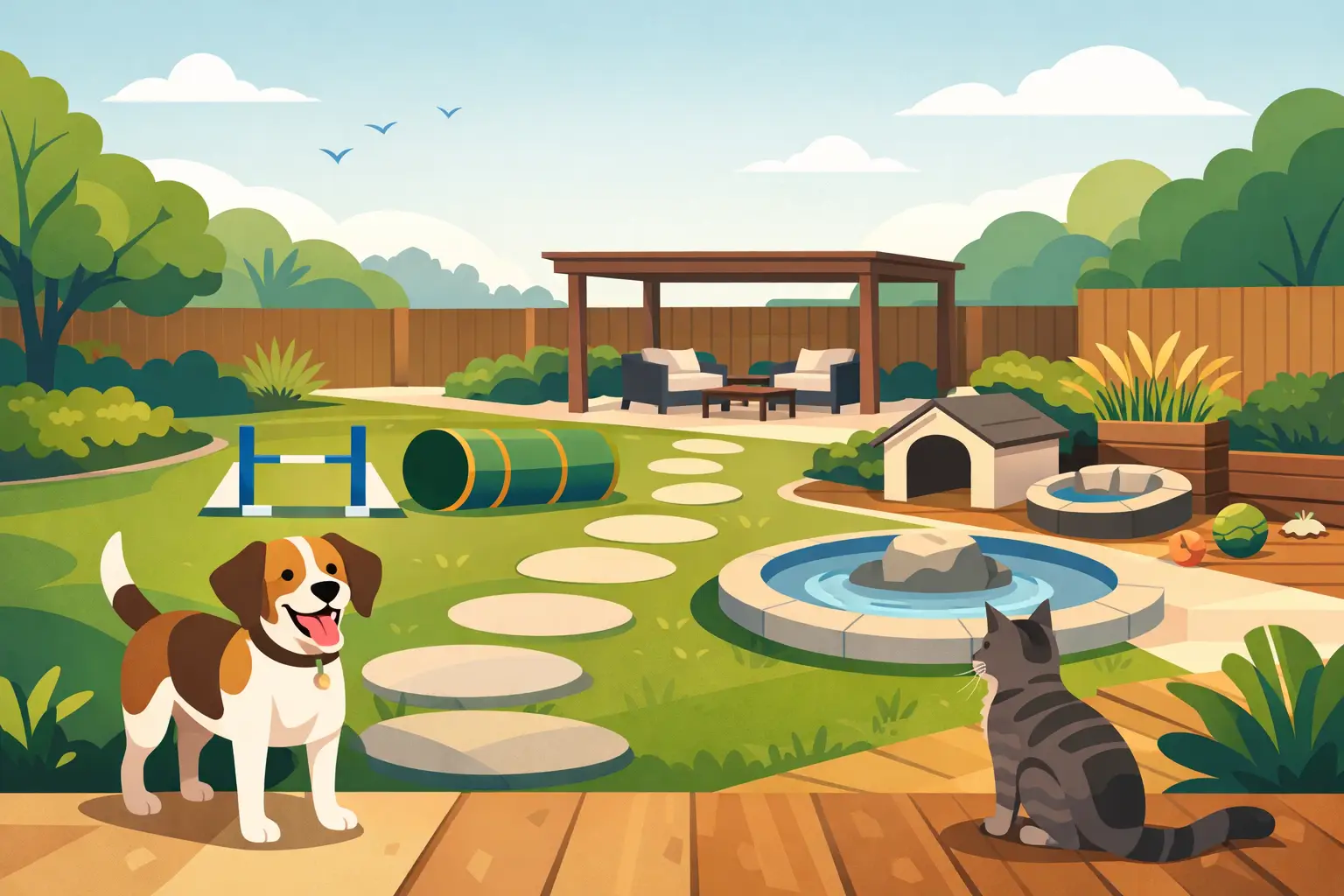
Artificial grass is a strong option for dog owners, but pet traffic changes the maintenance plan. Urine drains through when the system is built properly, but regular rinsing still helps reduce odor, especially in hot weather. Solid waste should be removed promptly, just like it would be on natural grass.
If a section gets repeated use every day, rinse it more often and consider a turf-safe odor treatment if needed. Some homeowners need this only in peak summer, while others rarely do. It depends on how many pets use the lawn, how much direct sun the area gets, and how well the base drains.
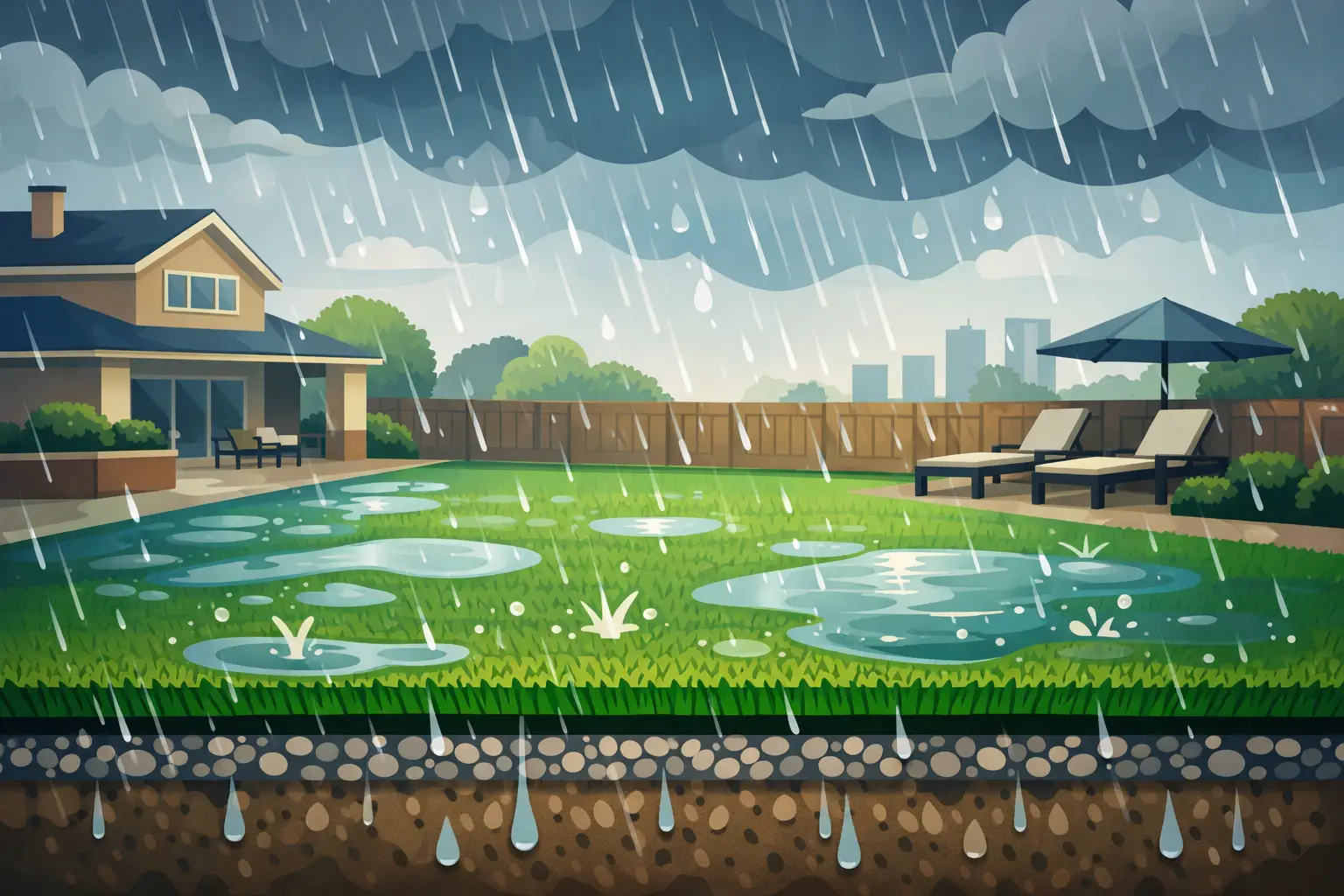
The bigger issue is usually not the turf itself. It is the install quality underneath. Poor drainage can hold moisture and create smell problems that routine rinsing will not fix. That is one reason specialist installation matters.
Brushing and infill matter more than people expect
A lot of turf problems that look like “wear” are really grooming issues. When blades stay pressed down in the same direction, the lawn starts to look tired even if the material is still in good shape. Brushing restores appearance and helps distribute infill more evenly.
Infill supports the blades, cushions foot traffic, and plays a role in temperature and drainage. Over time, some areas may compact or shift. If a zone looks flatter than the rest even after brushing, it may need additional infill. That is usually a small correction, but it should be done with the right product for the turf system.
This is not a place to guess. Different turf products use different infill types, and the wrong material can change performance.
What to avoid on artificial grass
Good maintenance is partly about what you do not do. Do not use a mower on synthetic turf. Do not apply fertilizer or weed killer across the surface unless there is a specific edge issue that calls for targeted treatment. Do not park heavy equipment on it unless the system was designed for that kind of load.
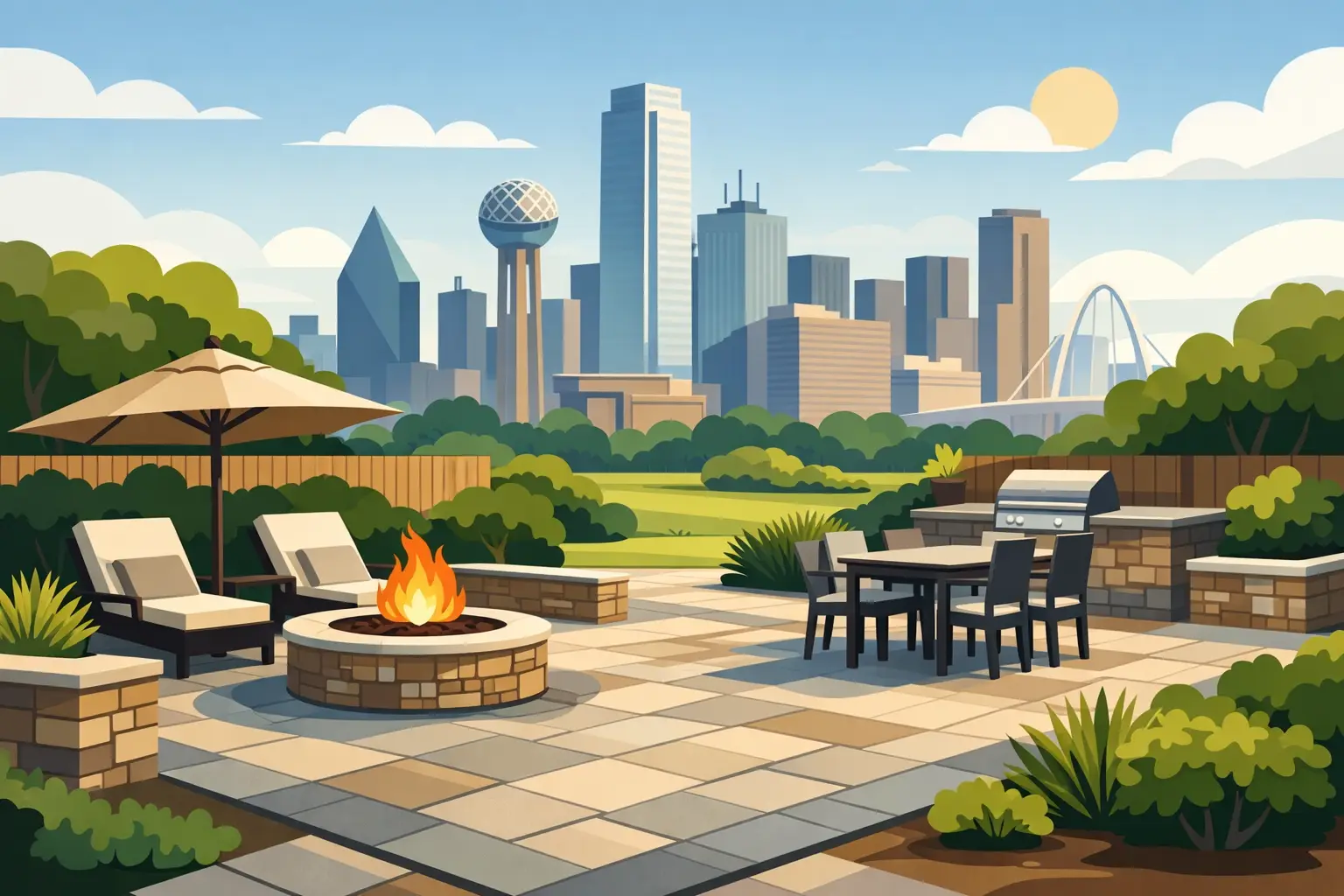
Heat is another factor in Texas yards. Artificial grass is durable, but it is still a manufactured surface. Grills, fire pits, and hot tools should be handled carefully. Sparks and extreme heat can damage fibers. If you have an outdoor kitchen or fire feature, that area should be planned correctly from the start with proper spacing and hardscape separation.
When your turf needs more than routine care
Most maintenance is easy for a homeowner, but some situations call for a professional. If water is pooling, seams are showing, edges are lifting, or the surface feels uneven underfoot, that is no longer a cleaning issue. It points to drainage, base movement, or installation wear.
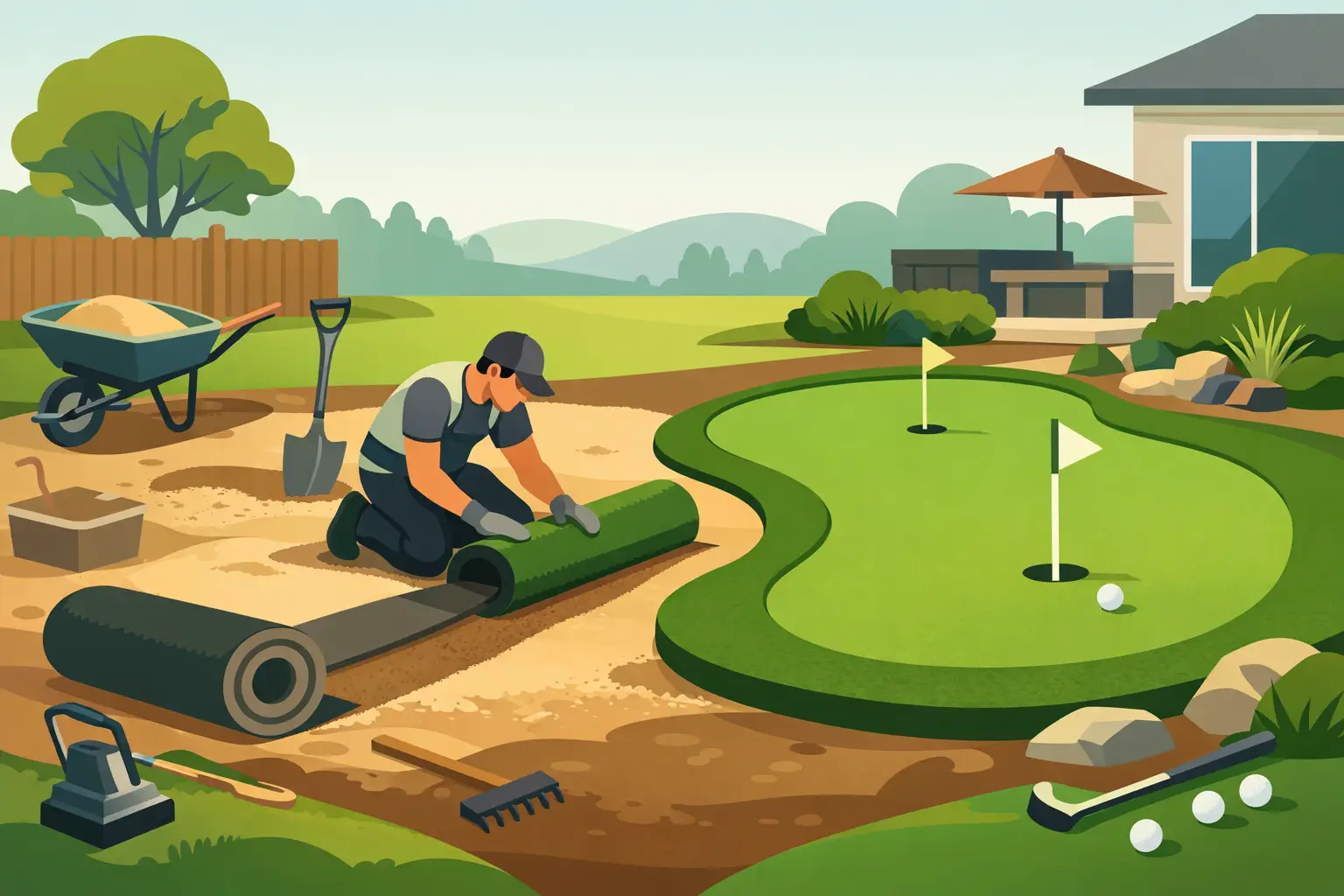
The same goes for turf that constantly looks matted no matter how often it is brushed. Sometimes the lawn just needs a deeper grooming service and infill refresh. Other times, the problem is heavier traffic than the original product was meant to handle. A front yard display lawn, a dog run, and a backyard putting green all have different wear patterns.
That is why there is no one-size-fits-all answer in any artificial lawn maintenance guide. The right care depends on the product, the installation method, and how your family actually uses the yard.
A better install makes maintenance easier
Homeowners often focus on the grass color or blade style, but long-term maintenance is heavily affected by what is under the turf. Proper grading, compacted base materials, clean edging, and drainage planning all reduce future headaches. When those details are skipped, the lawn may still look good at first, but maintenance gets harder fast.
A specialist installer will think beyond day-one appearance. That means building for pet use, planning around shade and runoff, and creating transitions that hold up around patios, walkways, and beds. Sod Green works with homeowners across Dallas-Fort Worth who want a yard that looks sharp now and stays easy to manage over time.
The maintenance standard most homeowners can handle
For the average residential lawn, maintenance does not need to turn into another weekend chore list. Keep it clean, rinse pet areas, brush the traffic lanes, and pay attention to drainage. That is usually enough to protect the investment and keep the lawn looking like it was just finished.
If your goal was a yard that cuts down on work without giving up curb appeal, synthetic turf can absolutely deliver that. The key is to treat it like a finished outdoor surface, not something you can ignore forever. A few minutes of care here and there keeps the whole property looking tighter, cleaner, and ready to use whenever you step outside.



Leave A Comment