
How to Improve Grass Roots for a Healthier Lawn (Proven Tips That Actually Work)
A beautiful lawn starts underground, not on the surface. If your grass looks thin, yellow, or pulls up easily, the real problem is almost always a weak root system. Knowing how to improve grass roots for a healthier lawn is the single most important skill any Dallas homeowner can learn.
In Texas’s hot and dry climate, shallow roots mean dead grass by July. Roots that grow deep can reach moisture and nutrients even during a drought. This guide gives you eight proven methods, a seasonal care calendar, and honest advice that actually works in DFW conditions.
Why Grass Roots Matter for a Healthy Lawn
Roots do three things: absorb water, pull in nutrients, and anchor grass against heat stress. When roots stay shallow, the top two or three inches of soil dry out fast. That is why many Dallas homeowners see brown patches within days of missing a watering.
Strong roots also fight weeds. A dense, deep-rooted lawn leaves no room for weed seeds to settle. And grasses with rhizomes or stolons, like Bermuda and St. Augustine, spread and fill bare spots on their own when their roots are healthy.
Signs Your Grass Roots Are Weak
- Grass pulls out of the ground with almost no effort
- Yellow or brown patches that don’t recover after watering
- Thin, sparse turf that looks worse after mowing
- Soil that dries out within 24 hours after rain
- Weed pressure that gets worse every season
Root Depth Comparison: Common Texas Grasses
Use this table to understand what root depth your grass should reach:
| Grass Type | Root Depth | Spread Type | Texas Suitability |
| Bermuda | 6–12 in | Stolons + Rhizomes | Excellent |
| St. Augustine | 4–12 in | Stolons | Excellent |
| Zoysia | 6–12 in | Stolons + Rhizomes | Very Good |
| Kentucky Bluegrass | 6–18 in | Rhizomes | Poor (not for TX heat) |
Understanding the Two Types of Grass Root Systems
Most lawns in DFW use warm-season grasses. These grasses spread through either fibrous roots or through horizontal stems called rhizomes and stolons. Knowing which type you have helps you apply the right improvement technique.
Fibrous Roots
Fescue and perennial ryegrass use fibrous roots. These are thin, thread-like structures that fan out in the topsoil. They absorb water fast and help with erosion control, but they don’t spread on their own. In Texas heat, pure fescue lawns struggle without regular overseeding.
Rhizomes vs Stolons
Bermuda and Zoysia spread through rhizomes (underground stems) and stolons (above-ground runners). St. Augustine primarily uses stolons. Both types send out new growth at each node, which fills bare spots and creates a thick, connected turf. These grasses are the best choice for Dallas lawns because they recover quickly from Texas summer heat.
Quick identification: Pull a plug of grass and look at the base. If you see white runners going sideways underground, those are rhizomes. If the runners sit on top of the soil, those are stolons.
Additional Reading: How to Install Artificial Grass for Dogs
Top 8 Ways to Improve Grass Roots (Backed by Science)
This is the section that separates a thriving DFW lawn from a struggling one. Each method below targets a specific root problem. Use at least three of these together for the best results.
1. Core Aeration: The Most Powerful Root Method
Soil aeration removes small plugs of compacted soil. This opens channels for air, water, and nutrients to reach the root zone. In Dallas, clay-heavy soil compacts quickly, especially in high-traffic yards.
The best time to aerate warm-season grasses in Texas is late spring, once soil temperatures reach 65 degrees Fahrenheit. For cool-season grasses in DFW (which are rare), early fall works better.
DIY aerators from hardware stores work fine for smaller yards. For larger properties, professional aeration equipment removes deeper plugs. SodGreen offers professional lawn assessment in Dallas to help you decide the right approach for your yard.
2. Deep and Infrequent Watering
Frequent shallow watering teaches roots to stay near the surface. If water only reaches the top inch, roots have no reason to go deeper. The fix is simple: water less often but much more deeply.
The deep soak method means applying 1 to 1.5 inches of water per session and waiting until the top two inches of soil dry out before watering again. For most Dallas lawns, this means two to three times per week in summer and once per week in spring or fall.
Always water in the early morning, between 5 and 7 AM. This reduces evaporation and fungal risk. Midday watering in Texas’s summer heat loses up to 40 percent of water before it reaches the root zone.
3. Proper Fertilization for Root Growth
Phosphorus drives root growth stimulation. While nitrogen pushes green blade growth, phosphorus builds strong root tissue. When shopping for fertilizer, look for an NPK (nitrogen-phosphorus-potassium) ratio with a high middle number, like 5-10-5 or 10-20-10.
Use a phosphorus-rich starter fertilizer in early spring, just before or right after aeration. Avoid heavy nitrogen applications in late summer. Too much nitrogen in Texas heat creates a flush of weak, shallow top growth that burns easily.
Soil nutrients like iron and sulfur also support root health. A simple soil test from a local garden center can tell you exactly what your Dallas lawn is missing. Tests cost around $15 to $30 and are worth every dollar.
4. Soil pH Correction
Grass roots absorb nutrients best when soil pH sits between 6.0 and 7.0. Outside that range, nutrients lock up in the soil and roots starve even if you fertilize regularly. This is a common cause of weak grass in DFW because Dallas soil tends to be alkaline, often testing at 7.5 or higher. Lawn drainage issues also worsen when pH is off.
Test your soil pH with a kit from any garden store. If your soil tests alkaline, apply sulfur to bring it down. If it tests acidic (below 6.0), apply agricultural lime. Follow product label rates for your lawn size.
5. Topdressing with Compost
Spreading a thin layer of organic compost over your lawn, a practice called topdressing, improves soil structure at the root level. Compost loosens clay soil, adds beneficial microbes, and gives roots more room to expand downward.
Apply compost in a quarter-inch layer after aeration in spring or fall. Rake it lightly so it settles into the aeration holes. This combination, aerate then topdress, is one of the most effective ways to improve lawn root depth in a single season.
6. Mowing at the Right Height
Cutting grass too short is one of the most common mistakes DFW homeowners make. When you scalp a lawn, roots respond by pulling back toward the surface. This is a survival response. Short blades mean less photosynthesis, which means less energy sent down to roots.
Follow the one-third rule: never remove more than one-third of the blade height in a single mow. For Bermuda grass, keep height at 1 to 2 inches. St. Augustine does best at 3 to 4 inches. Zoysia stays healthy at 1.5 to 2.5 inches.
7. Overseeding Thin Areas
Bare and thin patches are open doors for weeds and shallow roots. Overseeding fills these gaps with new grass plants that, over time, develop their own root systems and knit together with existing turf.
For best results in Dallas, overseed in September. Soil temperatures are still warm enough for germination, but daytime heat stress is dropping. Rake the thin area lightly to break up the top layer, spread seed, and press it firmly into the soil for good contact. Keep the area moist until germination, then shift to deep, infrequent watering.
8. Reducing Soil Compaction
Soil compaction is the hidden enemy of deep roots. Clay soils in Dallas compact easily under foot traffic, heavy mowing equipment, and even rainfall. Compacted soil has almost no air pockets, so roots can’t push through it.
Beyond aeration, amend compacted clay soil by mixing in coarse sand and compost. Use a 50/50 blend and work it into the top four inches of soil in bare or high-traffic areas. This creates a more open structure that roots can penetrate year after year.
Dethatching is a different process from aeration. Thatch is a layer of dead grass stems that builds up between the soil and green blades. A thatch layer thicker than half an inch blocks water and fertilizer from reaching roots. Use a dethatching rake or a power rake in spring on Bermuda or Zoysia lawns that have visible brown buildup at soil level.
Additional Reading: How to Install Synthetic Turf Grass
Seasonal Grass Root Care Calendar for Dallas Homeowners
Timing matters as much as technique in Texas’s climate. This calendar keeps your root improvement work aligned with natural growth cycles:
| Season | Priority Task | Why It Matters | Dallas Tip |
| Spring | Aerate + phosphorus fertilizer | Roots wake up and push deeper | Do this in March-April |
| Summer | Deep water + avoid foot traffic | Heat stress causes shallow roots | Water at 5-7 AM only |
| Fall | Overseed + topdress compost | Roots store energy for winter | September is ideal in DFW |
| Winter | No aeration or heavy work | Roots need rest period | Keep foot traffic light |
Common Mistakes That Damage Grass Roots
Overwatering
Roots don’t need to search for water if it’s always at the surface. Overwatered lawns develop shallow, weak root systems that die the moment you reduce irrigation. Stick to deep, infrequent watering.
Scalping
Cutting grass below the recommended height weakens roots almost immediately. In DFW summers, scalped grass burns within days. Raise your mower deck and keep it there.
Too Much Nitrogen in Summer
Heavy nitrogen application in July or August forces rapid green growth that roots can’t support. The result is lush-looking grass that dies fast when temperatures spike. Apply nitrogen in spring and early fall only.
Ignoring Soil Compaction
Many homeowners fertilize and water properly but never aerate. If your soil is compacted, nutrients and water can’t reach the root zone. Aerate at least once per year in Dallas.
Wrong Grass Type for Texas Heat
Kentucky Bluegrass and tall fescue require cooler climates and struggle in DFW summers. Bermuda, St. Augustine, and Zoysia are built for this climate. If you’re constantly fighting weak grass, it may be a grass-type mismatch, not a care problem.
Additional Reading: Best Bermuda Grass Seed to Grow
How Long Does It Take to Improve Grass Roots?
Grass roots don’t transform overnight, but progress happens faster than most people expect:
- Weeks 1-2: Aeration holes close and compost begins breaking into soil
- Weeks 3-4: New root tips start extending toward deeper moisture
- Weeks 5-8: Visible lawn thickening and better color, especially in thin patches
- Weeks 9-12: Measurably deeper root depth; lawn handles heat and dry spells better
Consistency matters more than any single treatment. Homeowners who combine aeration, deep watering, and proper mowing see the best results within one full growing season.
Additional Reading: River Rock Landscaping Ideas
Texas Lawn Care Tips: Root Health in the DFW Climate
Dallas and the broader DFW Metroplex present specific challenges that you won’t read about on most generic lawn care sites. Texas heat in July and August regularly exceeds 100 degrees Fahrenheit. That kind of heat turns shallow roots into crispy failures within days.
Bermuda grass is the top choice for most Dallas homeowners because its roots and rhizomes actively push deeper during summer. St. Augustine holds up well in shaded yards with proper irrigation. Zoysia is a good middle-ground option: slower to establish but incredibly dense once rooted.
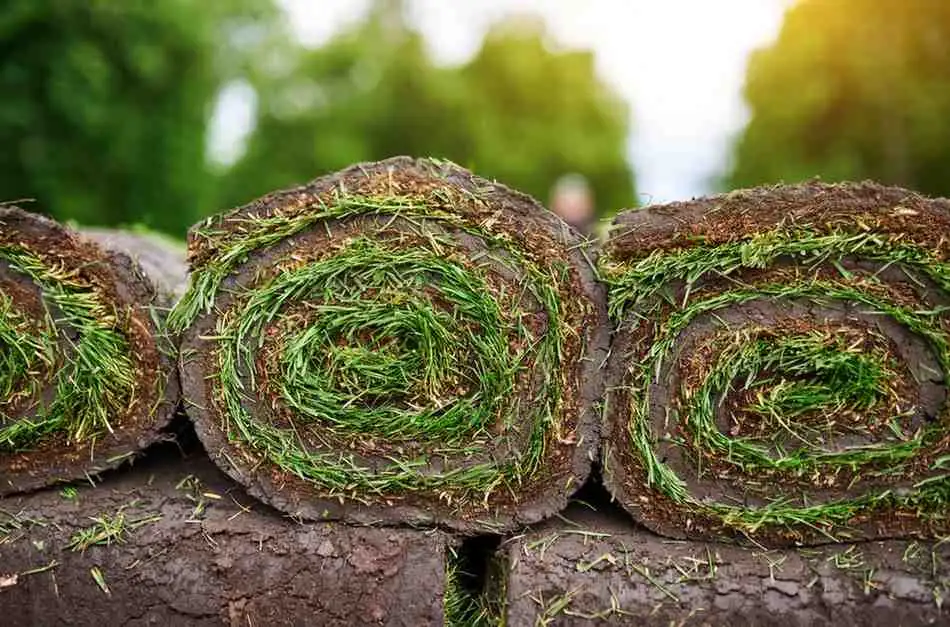
If you’re building a new lawn from scratch or dealing with persistent bare spots, consider professional sod installation. SodGreen’s Sod Installation Dallas service covers Bermuda, St. Augustine, and Zoysia, and the team works across Frisco, McKinney, Plano, Allen, Southlake, and all other DFW cities. Properly installed sod comes with an established root mat that gives you a weeks-long head start over seeding.
For homeowners in areas with heavy shade or high dog traffic, artificial turf is worth considering. SodGreen installs pet-friendly synthetic turf that requires zero root maintenance and stays green through every Texas summer.
Conclusion
Improving grass roots takes patience, but the results are a lawn that survives Texas heat, resists weeds, and looks thick and green all season. Start with core aeration and deep watering. Add phosphorus fertilizer and topdressing in the same session for a major root boost.
If your lawn still struggles after a full season of care, the issue may go deeper than DIY fixes can reach. SodGreen has helped thousands of Dallas homeowners transform weak, thin lawns into healthy, low-maintenance outdoor spaces. Whether you need professional aeration, sod installation, artificial turf, or a full landscape overhaul, our team is ready. Contact Us Now to schedule a free lawn assessment in Dallas today.
Frequently Asked Questions
How do I encourage deep grass root growth?
Water deeply but infrequently, aerate once per year, and mow at the right height for your grass type. These three habits, done consistently, produce the deepest roots.
What fertilizer promotes grass root growth?
Look for fertilizers with a high middle number in the NPK ratio, like 5-10-5 or 10-20-10. Phosphorus is the root-growth nutrient. Apply in early spring and again in early fall.
How deep should grass roots be?
Bermuda and Zoysia roots ideally reach 6 to 12 inches. St. Augustine targets 4 to 12 inches. Roots deeper than 6 inches give your lawn strong drought resistance during Dallas summers.
Can you repair shallow grass roots?
Yes. Aeration, deep watering, and phosphorus fertilizer together can push shallow roots deeper within one growing season. Start in spring for the best results.
Does aerating help grass roots grow deeper?
Aeration is one of the fastest ways to improve root depth. It opens channels through compacted soil so roots can follow water and nutrients downward instead of spreading sideways near the surface.
How do I know if my grass has healthy roots?
Grab a small section of grass and pull gently. Healthy roots resist and require real effort to pull free. Healthy grass also holds color through dry spells and recovers quickly after mowing.

Leave A Comment