 Skip to content
A new lawn should solve a problem, not create another weekend chore. When Dallas homeowners compare zoysia versus bermuda, the real question is not which grass is “best.” It is which grass can handle the way your yard is used, how much sun it gets, and how much maintenance you are willing to take on after installation.
Both grasses are warm-season favorites in North Texas. Both can produce a thick, green lawn that improves curb appeal fast. But they grow differently, respond differently to shade and traffic, and ask for different levels of mowing, watering, and attention. Choosing the right one before sod goes down can save you from thin patches, excessive mowing, or a lawn that never quite looks the way you expected.
Zoysia Versus Bermuda at a Glance
Bermuda is the hard-driving option. It loves direct sun, spreads aggressively, recovers quickly from wear, and stands up well to active backyards. It is a common choice for open lawns, kids’ play areas, dog runs, and properties where the goal is durable green coverage through a hot Texas summer.
Zoysia is the denser, more refined option. Its blades tend to feel softer and look more manicured, especially when installed and maintained correctly. It grows more slowly than bermuda, which can mean less frequent mowing, but it also recovers more slowly when damaged. Zoysia generally handles partial shade better, making it a stronger candidate for yards with mature trees or homes that block afternoon sun.
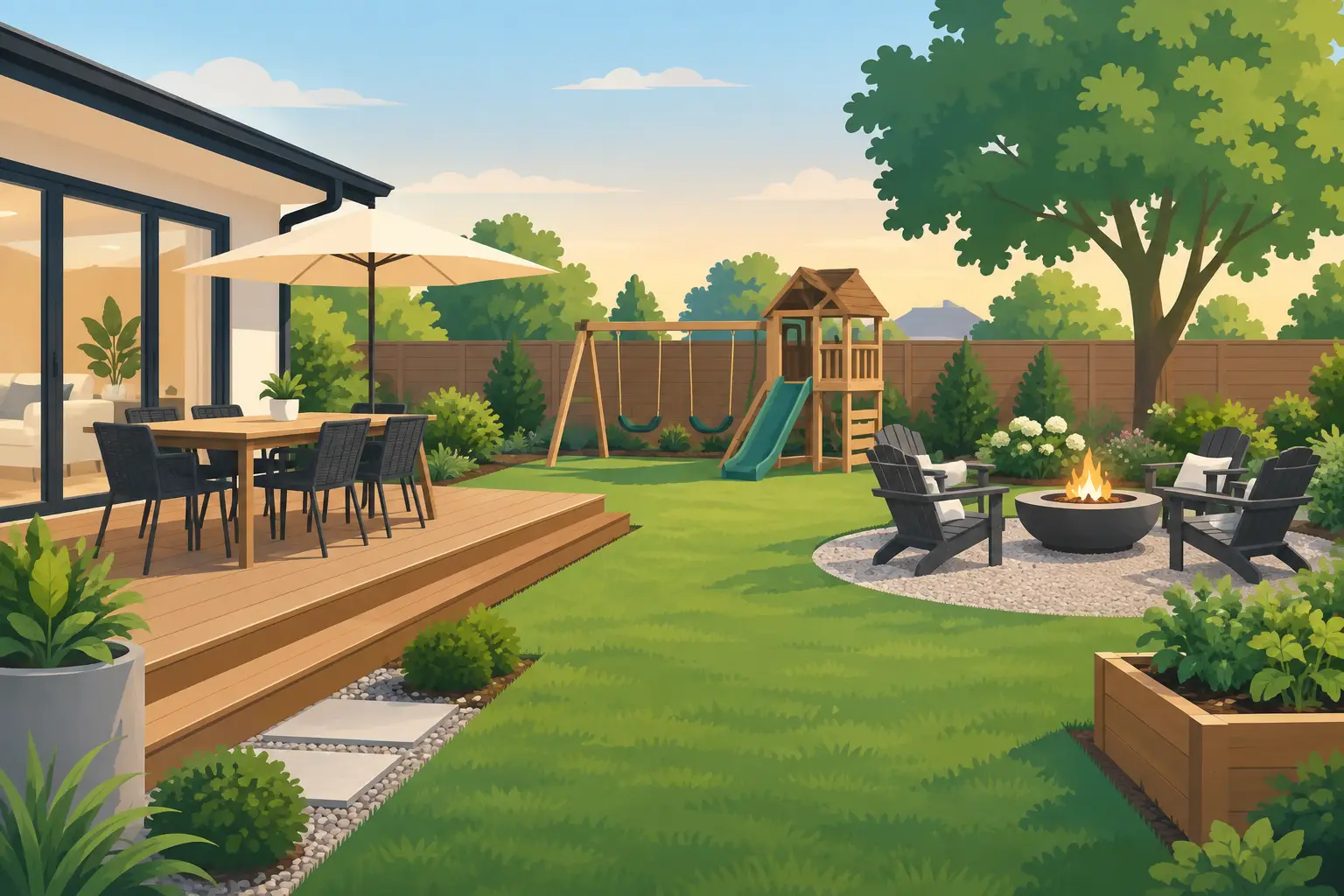
Neither choice is automatic. A wide-open backyard with a trampoline, pets, and full western exposure has different needs than a front lawn shaded by live oaks. The grass needs to match the site.
Choose Bermuda for Full Sun and Heavy Use
Bermuda grass performs at its best with plenty of sunlight. For a healthy, dense lawn, it generally needs at least six to eight hours of direct sun daily. In the right conditions, it grows quickly and fills bare areas well because it spreads through above-ground runners and underground rhizomes.
That fast growth is a major advantage when your lawn takes a beating. Families with active kids, larger dogs, or frequent backyard gatherings often appreciate bermuda’s ability to bounce back from foot traffic. It is also one of the strongest choices around pools, patios, and open side yards where reflected heat can be intense.
The trade-off is maintenance. Bermuda can grow fast during peak summer weather, so it may need mowing more often to keep a clean, even appearance. If it is allowed to get too tall between mowings, it can develop a scalped, uneven look when cut back down. It also has a habit of moving beyond its intended borders, so crisp edging around beds, walkways, and hardscapes needs regular attention.
For homeowners who want a tough lawn and have full sun, those requirements are usually manageable. Bermuda rewards consistent care with a strong, bright green surface that handles North Texas heat well.
Choose Zoysia for a Dense, Polished Lawn
Zoysia creates a different kind of lawn. It grows into a thick carpet that feels comfortable underfoot and has a more tailored look than many bermuda lawns. Its dense growth can also help crowd out weeds once the lawn is established and properly maintained.
One of zoysia’s biggest advantages is its shade tolerance. It still needs sunlight and will not thrive in deep, all-day shade, but many zoysia varieties perform better than bermuda where a yard receives filtered light or several hours of shade. That makes a real difference in established Dallas neighborhoods where mature trees are part of the property’s appeal.
Zoysia also grows at a slower pace. Homeowners who do not want to mow as frequently may see that as a clear benefit. The downside is that damaged areas do not repair themselves as fast. If a dog repeatedly runs the same path along a fence or a soccer goal stays in one spot all season, zoysia can thin out and take longer to recover.
Its thickness can create another maintenance consideration. Zoysia may develop thatch over time if it is overwatered, overfertilized, or not maintained with the right mowing practices. Periodic aeration or dethatching may be needed to keep air, water, and nutrients moving into the soil.
Sunlight and Shade Usually Make the Decision
Before choosing sod, look at your yard in the middle of summer, not just during a mild spring afternoon. Track where sunlight lands from morning through evening. A lawn that appears sunny at noon may be shaded for much of the day by a two-story home, fence line, or tree canopy.
Bermuda needs strong sunlight to stay thick. In shaded areas, it often becomes thin, weak, and more vulnerable to weeds. Installing bermuda beneath dense trees simply because it grows well in the open parts of the yard can leave you with a patchwork lawn.
Zoysia gives homeowners more flexibility in partial shade, though it has limits. If sunlight is blocked most of the day, even zoysia will struggle. In those spots, selective tree trimming, landscape beds, stone, mulch, or artificial turf may create a better long-term result than repeatedly replacing failing sod.
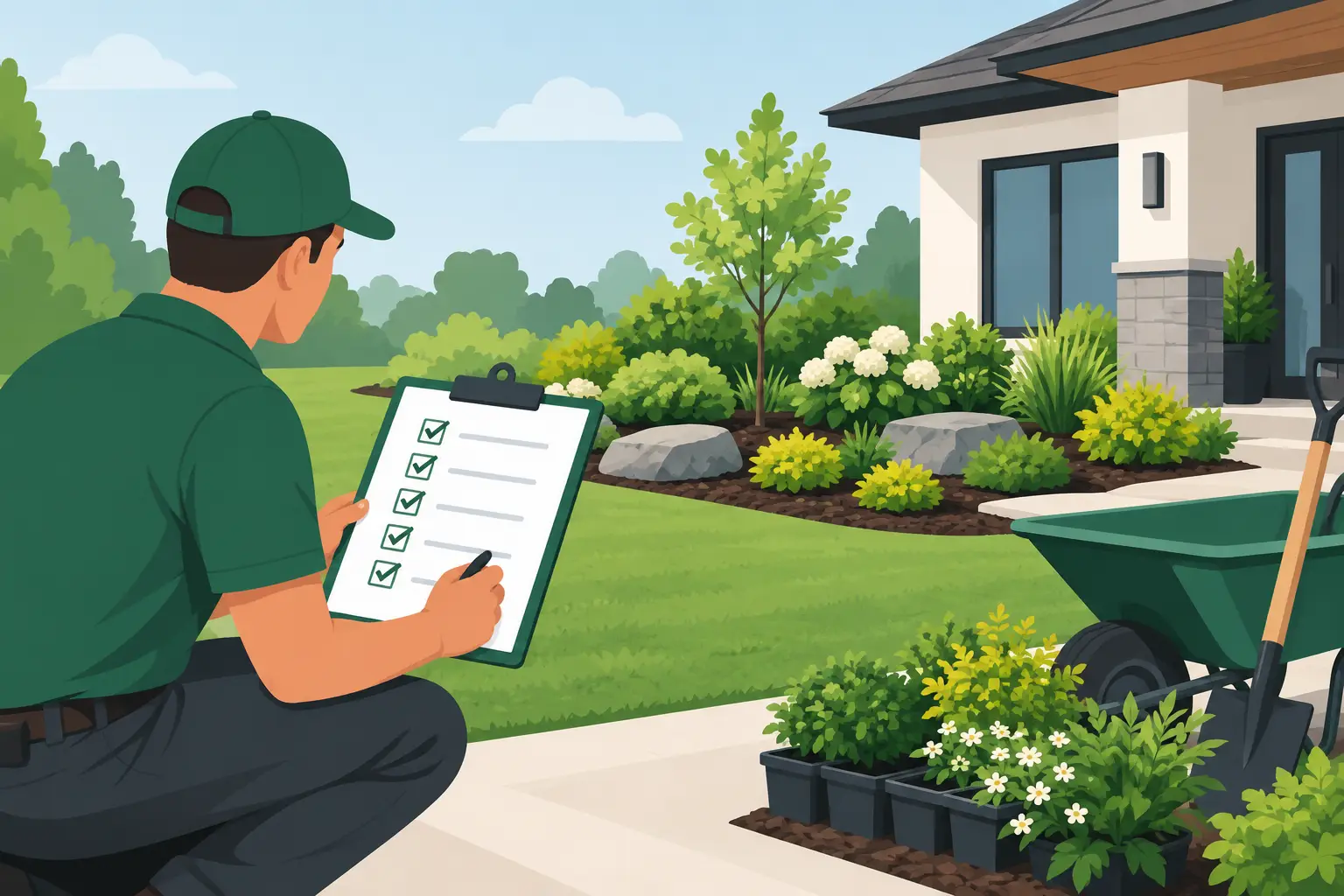
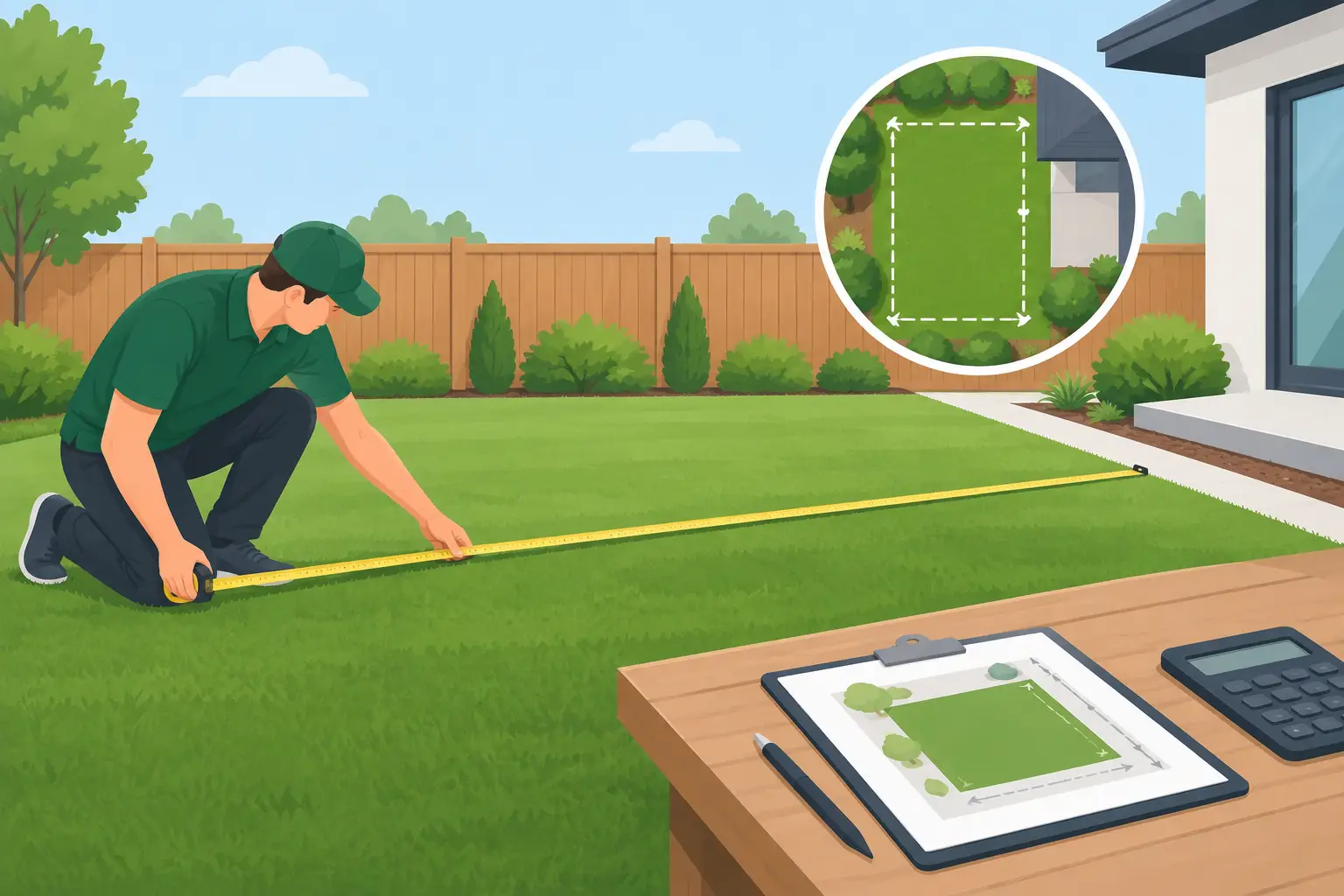
A professional site evaluation should account for more than square footage. Tree coverage, drainage patterns, soil condition, traffic paths, irrigation coverage, and the amount of reflected heat from concrete all affect how a lawn performs.
Water Needs and Summer Heat
Both zoysia and bermuda are warm-season grasses built for Texas heat, but neither is completely maintenance-free. Newly installed sod needs regular watering while roots establish. Skipping this step can cause seams to dry out, edges to curl, and sections of sod to fail before they have rooted into the soil.
Once established, both grasses can tolerate dry periods better than many cool-season lawns. Bermuda is especially resilient in direct heat and sun. Zoysia can also handle heat well, but its dense canopy may need thoughtful watering to ensure moisture reaches the root zone instead of sitting near the surface.
Deep, infrequent watering is usually more effective than daily light watering for an established lawn. The goal is to encourage deeper roots, not to keep the top inch of soil constantly wet. Overwatering can increase disease pressure, promote shallow rooting, and contribute to thatch, particularly in zoysia.
Dallas clay soil adds another layer to the decision. Compacted clay can hold water at the surface while restricting root growth below. Proper soil preparation, grading, and drainage should be handled before sod installation. Good grass cannot overcome poor drainage forever.
Mowing and Ongoing Upkeep
Bermuda generally needs more frequent mowing during active growing months. Keeping it at the correct height helps it stay dense and attractive. A regularly maintained bermuda lawn can look excellent, but it is not the best fit for homeowners who want to mow only occasionally.
Zoysia can require less frequent mowing because of its slower growth rate. Still, it needs sharp mower blades and consistent cutting habits. Dull blades can tear the grass instead of cutting it cleanly, leaving a brownish cast across the lawn. Depending on the zoysia variety, a reel mower may produce the cleanest finish at lower mowing heights, though many homeowners maintain certain varieties successfully with a properly adjusted rotary mower.
Both types benefit from seasonal fertilization, weed management, and irrigation checks. The difference is where the work shows up. Bermuda asks for more frequent mowing and edging. Zoysia asks for patience, careful mowing, and attention to thatch and worn traffic areas.
Appearance, Traffic, and Curb Appeal
For a formal-looking front lawn, zoysia often stands out because of its density and softer texture. It can give a property a lush, carefully finished appearance that complements clean bed lines, stone borders, and well-designed landscaping.
For a large, sunny yard that needs to work as hard as it looks good, bermuda is difficult to beat. It establishes quickly, handles regular activity, and creates a strong green lawn when watered and mowed properly. It is especially practical when durability matters more than a plush, fine-bladed feel.
Color can vary by variety, soil conditions, fertilizer practices, and sunlight. Do not choose grass based only on a small sod sample. Ask how it will perform across your specific yard, including the sunny center, shaded perimeter, pet areas, and high-traffic routes from the driveway to the backyard.
Installation Matters as Much as Grass Type
Even the right sod can struggle if the installation is rushed. Existing weeds and old turf should be addressed, the soil should be graded for proper drainage, and the surface should be prepared so sod makes full contact with the ground. Gaps, poor seam placement, and uneven grades can create problems that show up long after the crew leaves.
At Sod Green, lawn projects are evaluated as complete outdoor surfaces, not just rolls of grass. That means looking at drainage, traffic, shade, hardscape edges, and the final appearance homeowners expect. A clean installation and clear watering guidance give new sod the best chance to establish quickly.
The better choice comes down to your yard’s reality. Pick bermuda when you have full sun, active use, and room in your schedule for regular mowing. Pick zoysia when you want a dense, polished lawn and your property has partial shade or lower traffic. A lawn built around the way you actually live will look better and demand fewer corrections later.



Leave A Comment