 Skip to content
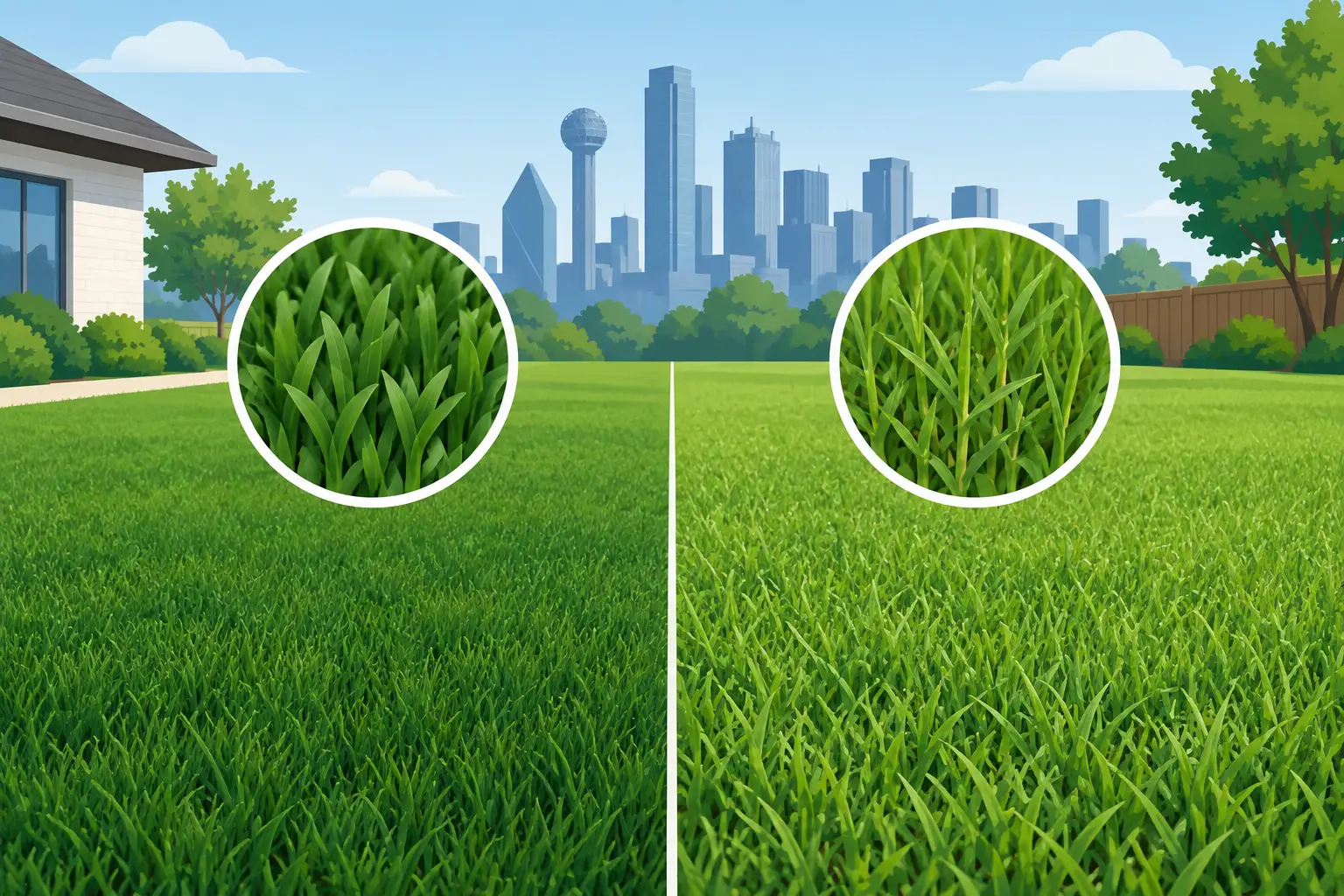
A backyard should work as hard as the people who use it. For some Dallas homeowners, that means a clean, reliable place to practice short putts after work. For others, it means soft natural grass where kids, dogs, and guests can spread out. The putting green vs real grass decision is not just about appearance. It affects how you use the yard, how much maintenance it needs, and how it holds up through North Texas heat.
A well-built putting green is a purpose-designed surface, usually made from synthetic turf, compacted base materials, and carefully planned drainage. Real grass is a living lawn that can feel great underfoot but requires regular watering, mowing, feeding, and repair. Both can add value to an outdoor space when they are installed for the right reason.
Putting Green vs Real Grass at a Glance
If your main goal is golf practice, a backyard putting green is the clear winner. It delivers a consistent roll, defined cup placement, and a surface you can use nearly every day without waiting for grass to recover. You can add fringe turf, contours, sand traps, or chipping areas to make practice more realistic and make the space look like a finished landscape feature instead of a plain patch of turf.
If you need one flexible area for running, tossing a football, hosting birthdays, and relaxing with pets, real grass may be the better fit. A natural lawn gives a larger open area a softer, more traditional look. It also stays cooler than synthetic turf during direct summer sun, which matters in Dallas-Fort Worth when temperatures climb.
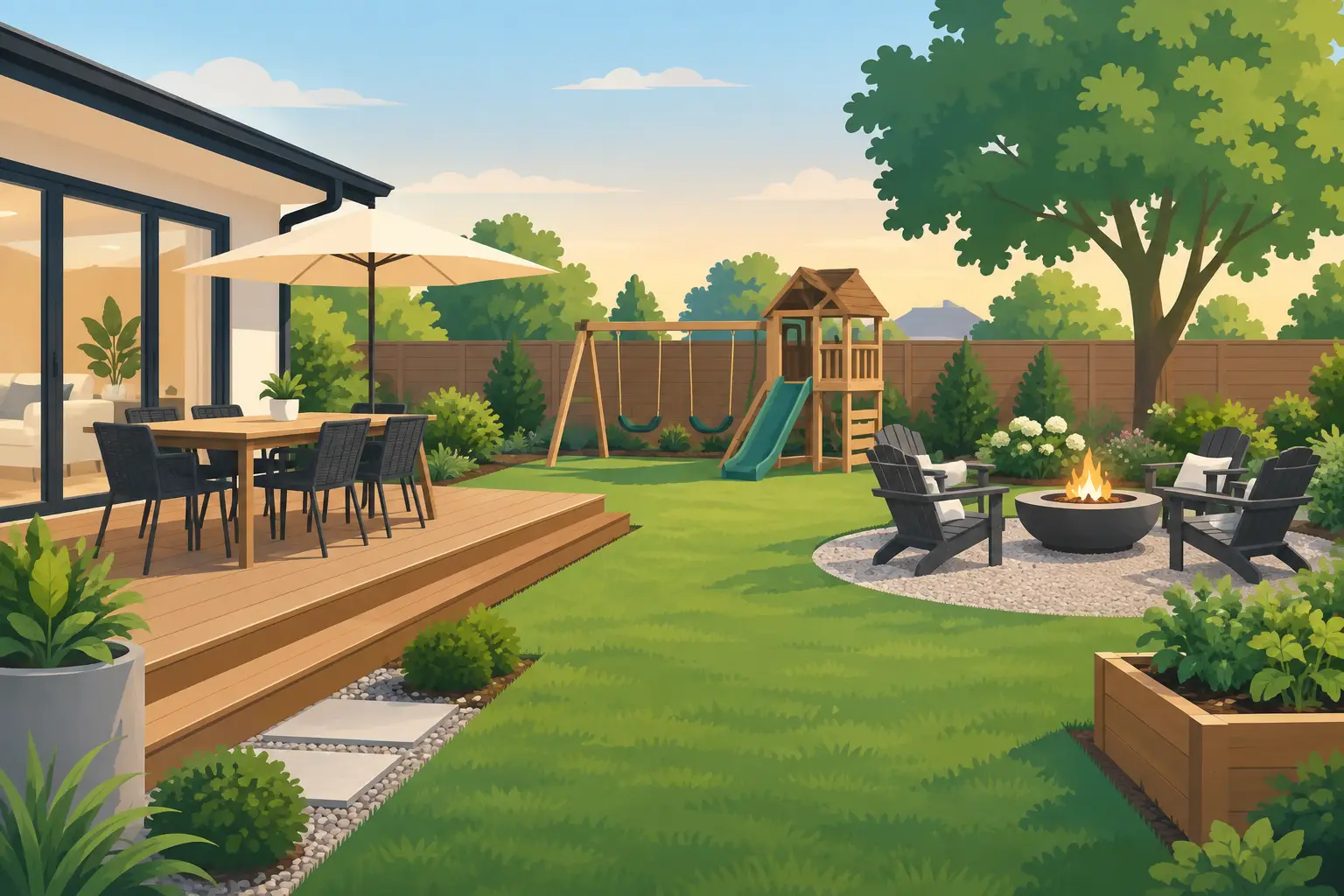
The best choice often is not all one or the other. Many homeowners keep real sod in the main lawn and install a custom putting green near the patio, pool, or side yard. This creates a dedicated play feature without giving up the open green space the family already enjoys.
Why a Putting Green Makes Sense
A putting green is built for performance. Unlike standard artificial grass, putting turf is selected and installed to support a predictable ball roll. The base must be properly graded, compacted, and drained. Small changes in contour can create straight putts, gentle breaks, or more challenging practice shots.
For homeowners who play golf regularly, convenience is the major advantage. A few minutes of putting before work or a short practice session with the kids is much easier when the green is steps from the back door. There is no driving range trip, no muddy ground after rain, and no need to mow around cups.
Maintenance is also simple. Synthetic putting greens do not need water, fertilizer, mowing, or reseeding. Leaves and debris should be blown or brushed away, and the surface may need occasional rinsing, especially around pools or pet areas. With proper installation, a quality green stands up well to regular use and changing weather.
A putting green can also solve a difficult landscaping problem. A narrow side yard, sloped corner, or area where turf struggles can become a clean, useful feature. When paired with flagstone, a patio extension, retaining walls, or decorative stone, it gives the backyard a more intentional look.
What a Putting Green Does Not Replace
A putting green is not a full substitute for a family lawn. It is designed for golf, so it is usually firmer than sod and may have cups, slopes, and edges that are not ideal for rough play. It can handle foot traffic, but a group of kids playing tag or a large dog constantly sprinting across the same area may wear on seams, infill, and surrounding landscape materials over time.
Surface temperature is another real consideration. Modern turf products can be more comfortable than older materials, and shade, rinsing, and lighter colors can help. Still, synthetic turf can get hot under direct Texas sun. If barefoot play is a top priority, plan for shaded seating, a separate grass area, or a layout that keeps the green away from the hottest exposure.
When Real Grass Is the Better Choice
Real grass remains a strong option for homeowners who want a traditional lawn and have the time or lawn service to maintain it. Fresh sod creates an immediate improvement over bare soil, weeds, or worn-out grass. Once established, it can provide a natural surface for family activities, pets, and everyday outdoor living.
Natural grass also helps cool the yard and can feel more forgiving for children at play. A healthy lawn complements mature trees, flower beds, pools, and outdoor seating without making the landscape feel overly built. For a large front yard, sod may deliver the curb appeal you want at a lower initial cost than installing a large synthetic surface.
However, grass asks for consistent care. Dallas summers can be hard on turf, especially in yards with heavy shade, compacted soil, poor drainage, or high foot traffic. Watering restrictions, insect pressure, weeds, and drought can turn a green lawn patchy quickly. Even good sod needs proper soil preparation, irrigation planning, and a commitment to mowing and seasonal maintenance.
The Cost Question: Upfront vs Ongoing
Real sod generally costs less to install than a custom putting green, particularly across a large area. But that first price does not tell the whole story. Natural grass comes with ongoing costs for water, mowing, fertilizer, weed control, equipment, and occasional replacement. A lawn that receives heavy use may need repair or new sod sooner than expected.
A putting green usually has a higher upfront investment because the installation requires excavation, base preparation, grading, drainage work, turf selection, and detailed finishing. A simple, flat practice area costs less than a multi-hole green with slopes, fringe, chipping zones, and hardscape borders. Once installed, though, its routine upkeep is limited and its playing surface stays consistent without weekly lawn care.
The right comparison is long-term value. If golf is a regular part of your life and the yard is currently difficult to maintain, a putting green can be a practical upgrade you use for years. If you need broad, flexible outdoor space and enjoy the look and feel of a living lawn, sod may provide more value for your household.
Drainage and Installation Matter More Than Most Homeowners Expect
Neither option performs well when the ground beneath it is poorly prepared. Water that pools after storms can damage sod, create muddy areas, and encourage lawn disease. Under artificial turf, poor drainage can leave odors, shifting material, and a surface that does not feel right underfoot.
Before choosing a surface, look at how water moves through the yard. Downspouts, pool decking, neighboring grades, clay soil, and low spots all affect the plan. A professional installer should address grading and drainage before the finished surface goes in, not treat those details as an afterthought.
For sod, that may mean improving soil, correcting low areas, and selecting a grass variety that matches the property’s sunlight and water conditions. For a putting green, it means building a stable base with proper drainage and shaping the surface for the intended speed and break. Clean edges and secure transitions to patios, beds, or existing lawn make the finished project look better and last longer.
A Smart Layout Can Give You Both
Homeowners do not have to choose between a golf feature and a usable yard. One of the best backyard designs combines surfaces based on how each zone will be used. Put the putting green where it is visible and convenient from the patio. Keep sod where the family needs room to play. Use stone, decomposed granite, or landscape beds to create clean transitions and reduce areas that are hard to mow.
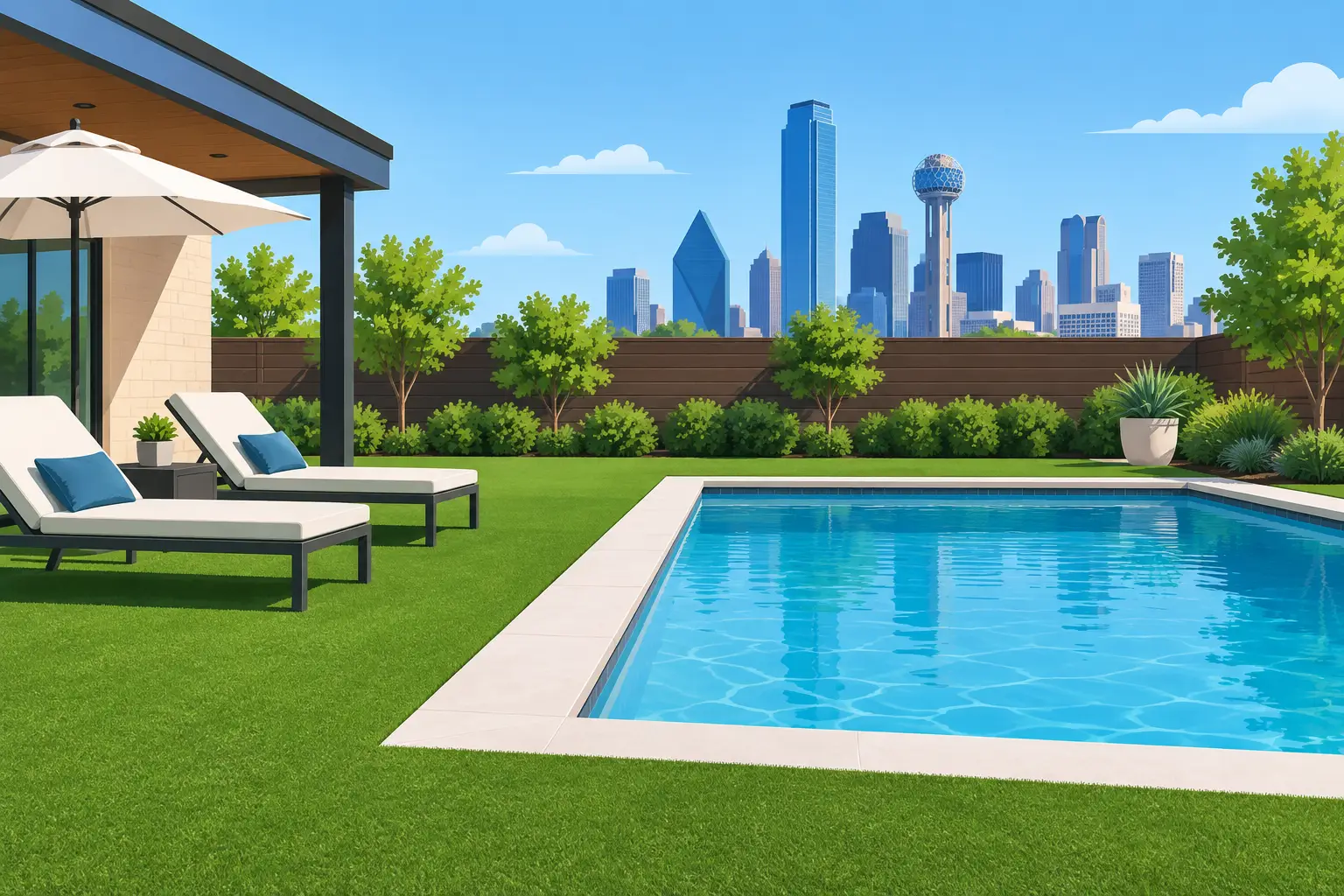
This approach is especially useful around pools. A putting green can provide a neat, low-maintenance feature near a seating area, while a small section of natural grass offers a cooler spot for pets and kids. It also gives the yard variety without making maintenance complicated.
Sod Green helps Dallas-Fort Worth homeowners plan and install both natural sod and custom synthetic turf solutions, including drainage and hardscape details that make the whole yard feel finished. The goal is not to sell a surface that looks good on day one. It is to build an outdoor space that still works after summer heat, weekend traffic, and years of use.
Before making the call, picture a normal Saturday at your home. If you see yourself practicing putts, entertaining near the patio, and enjoying a polished feature with little upkeep, a putting green may earn its space. If you see kids running, dogs playing, and plenty of open-air lounging, real grass may be the better foundation. And if both pictures look right, a well-planned combination can give your backyard more ways to be used.


Leave A Comment