 Skip to content
A good backyard putting green should make you want to step outside and roll a few putts before work, after dinner, or while the kids play in the yard. It should not look like a piece of carpet dropped on the lawn. This backyard putting green guide explains what separates a polished, playable green from a project that drains poorly, wears unevenly, or never quite rolls the way you hoped.
For Dallas-Fort Worth homeowners, the biggest decisions are usually not about the cup itself. They are about location, drainage, turf selection, base preparation, and how the green fits the rest of the outdoor space. Get those details right, and a putting green becomes a durable backyard feature that looks at home beside a patio, pool, fire pit, or artificial lawn.
Start With How You Will Use the Green
A putting green built for quick family fun can be simple and compact. A green built for a golfer who wants to practice distance control, breaks, and short-game shots needs more room, more contour, and a better fringe area. Before choosing a shape, think about the shots you actually want to hit.
If you mainly want to putt, a space as small as 150 to 300 square feet can work well. A larger green gives you more meaningful practice and a more natural look, especially when it includes multiple cups. Homeowners who want to chip onto the surface should plan for a synthetic fringe or a surrounding area that gives the ball room to land and release.
Keep the layout practical. A green tucked into an unused side yard may be a smart use of space, but it can feel cramped if there is no comfortable place to stand, retrieve balls, or make a longer putt. In a larger backyard, the green can become the focal point of an outdoor living area, with clean edging, stone accents, and turf connecting the design.
Backyard Putting Green Guide: Choose the Right Location
The best location is usually level or can be graded properly, has enough open space for the intended design, and does not create drainage problems near the home. Existing slopes are not always a dealbreaker. In fact, a gentle grade may help move water away from the house. The key is building the base so water has a planned path to drain.
Avoid placing a green where roof runoff pours directly onto it. Heavy North Texas rain can overwhelm a poorly prepared surface, leading to standing water, shifting base material, and uneven rolls. Downspouts, low spots, pool drainage, and irrigation patterns all need to be considered before installation begins.
Sun exposure matters less for synthetic putting turf than it does for natural grass, but it still affects comfort and the surrounding landscape. A putting green next to a shaded patio may be enjoyable in summer, while an open area can get hot during a Dallas afternoon. If shade trees are nearby, consider leaf drop and the access needed to keep the green clear.
Make the Green Fit the Yard, Not Fight It
Curves usually look more natural than a perfect rectangle, particularly in a landscaped backyard. That said, a clean geometric design may suit a modern patio or pool area. The right shape depends on your property and the style of the surrounding hardscape.
Leave enough room around the perimeter for edging, access, and maintenance. If the green meets a fence, retaining wall, or patio without a finished border, debris can collect at the edges and the project may look incomplete. A small strip of artificial turf, decorative gravel, flagstone, or landscape beds can provide a finished transition.
The Base Determines How the Green Performs
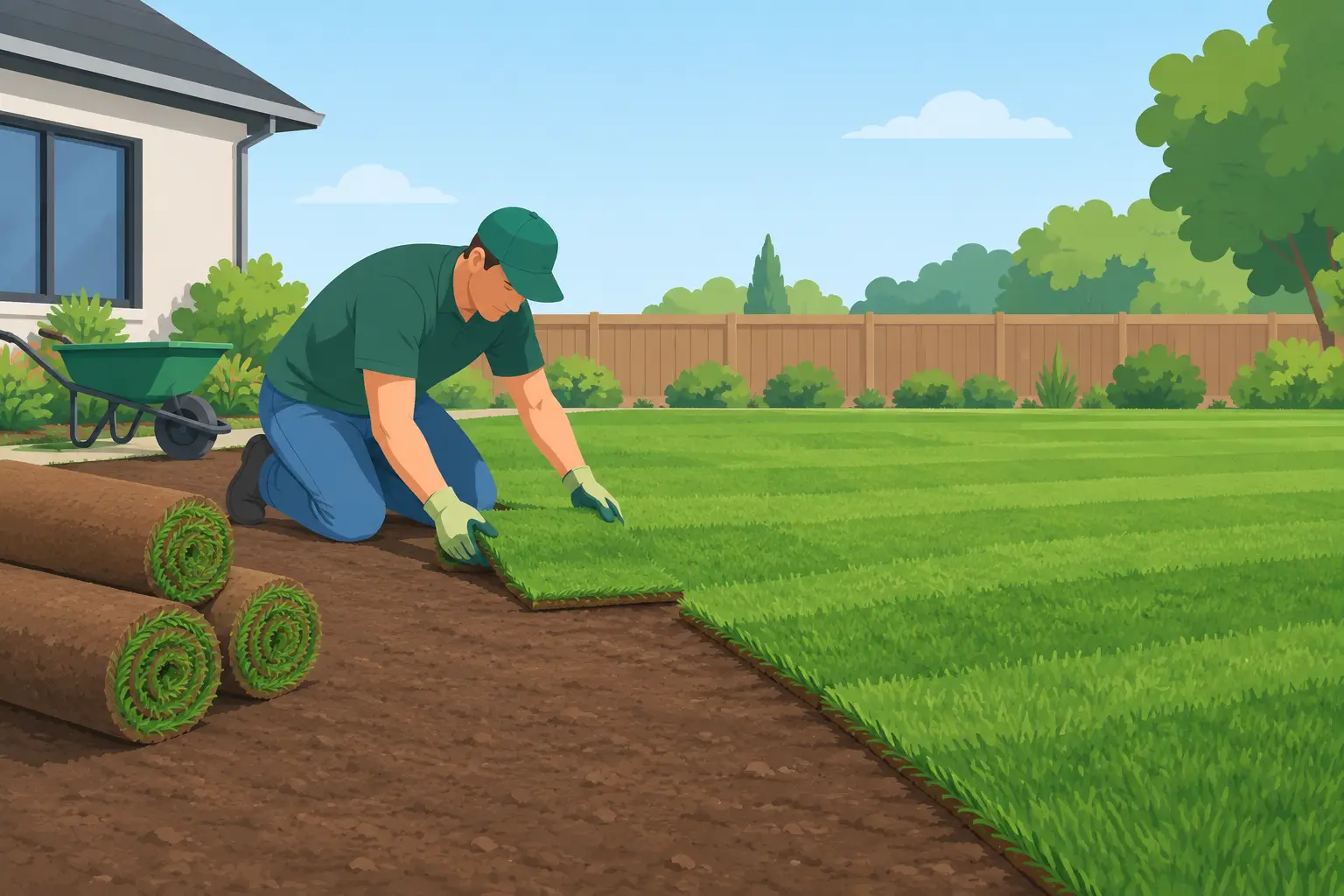
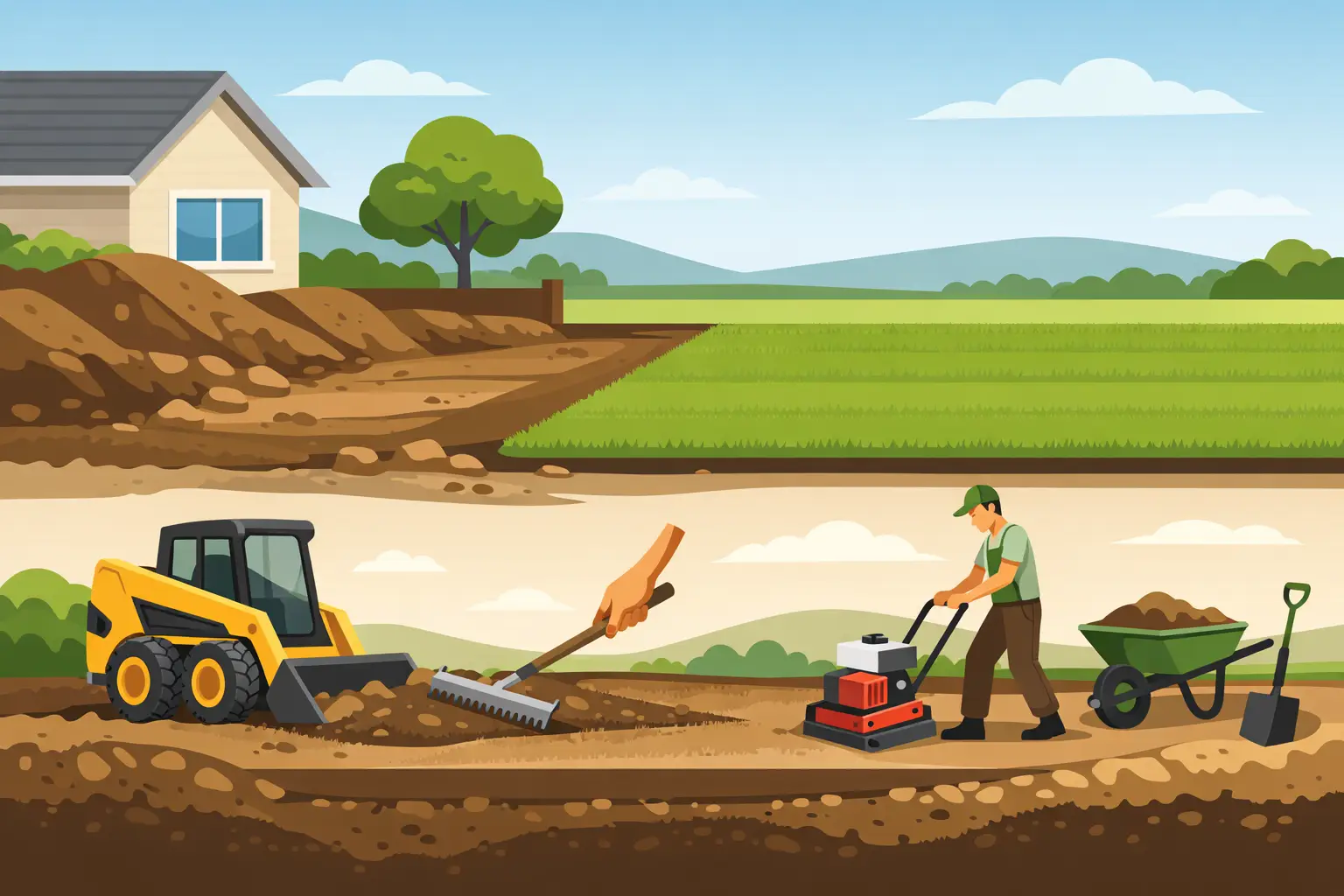
Putting turf gets the attention because it is the visible surface, but the base underneath does most of the hard work. A professional installation begins by removing the existing grass and organic material, shaping the area, and installing a compacted aggregate base. This gives the green stability and helps it drain through the surface rather than holding water.
A rushed installation may look acceptable on day one, then develop low spots or loose edges after weather changes and regular use. Proper compaction is what keeps the surface firm and consistent. The base also creates the foundation for any subtle breaks or contours built into the green.
For a true putting experience, the surface should be smooth without being perfectly flat. Small, intentional undulations create practice value. Too much slope, however, can make the green frustrating rather than fun. The goal is a natural roll that gives you different putts without turning every hole into a trick shot.
Drainage deserves special attention in DFW yards with heavy clay soil. Clay does not move water quickly, which is why drainage planning should happen before the turf is installed. Depending on the site, that may mean grading, adding drainage components, or tying the design into nearby hardscape and landscape improvements.
Select Turf for Speed, Feel, and Durability
Not all artificial turf is designed for putting. Putting turf is made to produce a tighter, more controlled ball roll, while fringe turf is typically taller and softer to create contrast around the green. Using the right combination makes the finished project look better and gives you more ways to practice.
Turf speed is personal. Some golfers prefer a faster surface that challenges their touch, while others want a more forgiving speed for casual putting. A professional installer can help match the turf and infill approach to your expectations. Faster is not automatically better if the green is small or heavily contoured.
Color is another detail worth considering. A single shade of green can look clean and modern, but mixing putting turf with a darker fringe often creates a more realistic course-style appearance. The best choice depends on the rest of the property. A green beside bright artificial grass may benefit from subtle contrast, while a compact green near a patio may look better with a simple, clean border.
Add Features That Make Practice More Useful
One cup is enough to enjoy a small putting green, but multiple cups make the space much more versatile. They let you vary your line, distance, and break without walking the same path over and over. For most residential greens, two to four cups provide plenty of variety without cluttering the design.
A fringe is often the most valuable upgrade. It softens the look of the perimeter and gives golfers a place to chip from. If you want to practice short shots, talk through the intended landing areas before the green is shaped. A chip-friendly setup needs enough approach space and contours that allow the ball to react predictably.
Other features can make sense when they serve the overall backyard plan:
- A stone border can create a crisp transition between turf and planting beds.
- Artificial grass around the green can reduce mud, mowing, and worn traffic paths.
- Low-voltage lighting can make evening practice possible and improve the appearance of the yard.
- A small seating area can turn the green into part of an outdoor entertaining space.
The best projects avoid adding features just because they are available. A simple green with excellent drainage, clean edges, and quality turf will outperform an oversized design with poor construction.
Know What Maintenance Really Looks Like
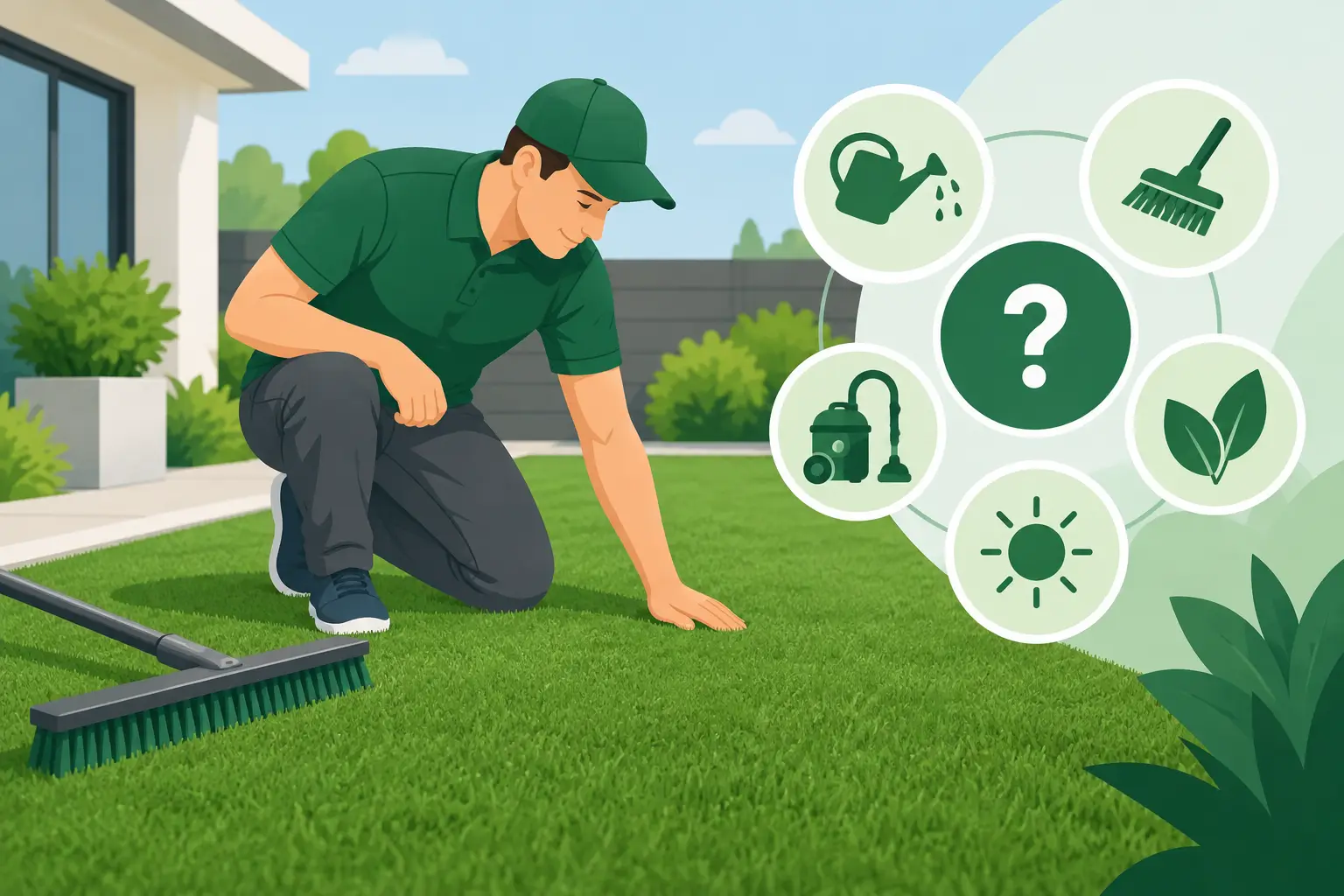
A synthetic putting green is low maintenance, not maintenance-free. Leaves, pollen, pet hair, and dirt should be blown or brushed off regularly. Occasional brushing helps keep the fibers standing correctly and keeps the surface looking fresh.
Dallas weather can bring dust, storms, and plenty of organic debris at different times of year. A light rinse can help clean the turf, while more thorough cleaning may be needed if pets use the surrounding area. If the green receives heavy traffic, periodic inspection of seams, edges, and infill helps protect its long-term performance.
The payoff is significant compared with maintaining natural grass at putting-green height. You avoid frequent mowing, fertilizing, weed control, and the constant fight to keep a small natural green healthy through Texas heat. Instead, you get a consistent practice surface that is ready when you are.
Work With Installers Who Plan the Whole Yard
A putting green should not be treated as a standalone square of turf. It needs to work with drainage, irrigation, existing trees, patios, walkways, pool decks, and the way your family uses the backyard. That is where experienced installers make a real difference.
At Sod Green, the goal is to build putting greens that look clean, play naturally, and hold up through Dallas-Fort Worth weather. A detailed site evaluation helps identify grade changes, drainage concerns, access requirements, and the finishing touches that will make the project feel complete.
Your backyard does not need a country club-sized footprint to give you a satisfying place to practice. Start with the shots you want to hit, build the base correctly, and choose a design that belongs in your yard. A well-planned green can become the part of the backyard everyone uses, whether they carry a handicap or just enjoy seeing a putt drop.




Leave A Comment