 Skip to content
A Dallas thunderstorm can drop enough water in an hour to expose every weak spot in a yard. Water that once hid in patchy grass, compacted clay, or a low corner by the patio suddenly becomes standing water. So, can turf handle heavy rain? Quality artificial turf can handle it very well, but the turf itself is only part of the answer. Proper drainage, base preparation, and grading determine whether your new lawn drains cleanly or turns into another place for water to collect.
For homeowners replacing muddy natural grass or building a cleaner backyard for kids and pets, artificial turf can be an excellent solution. The key is having it installed as a complete system, not simply rolled out over an existing drainage problem.
Can Turf Handle Heavy Rain in Dallas?
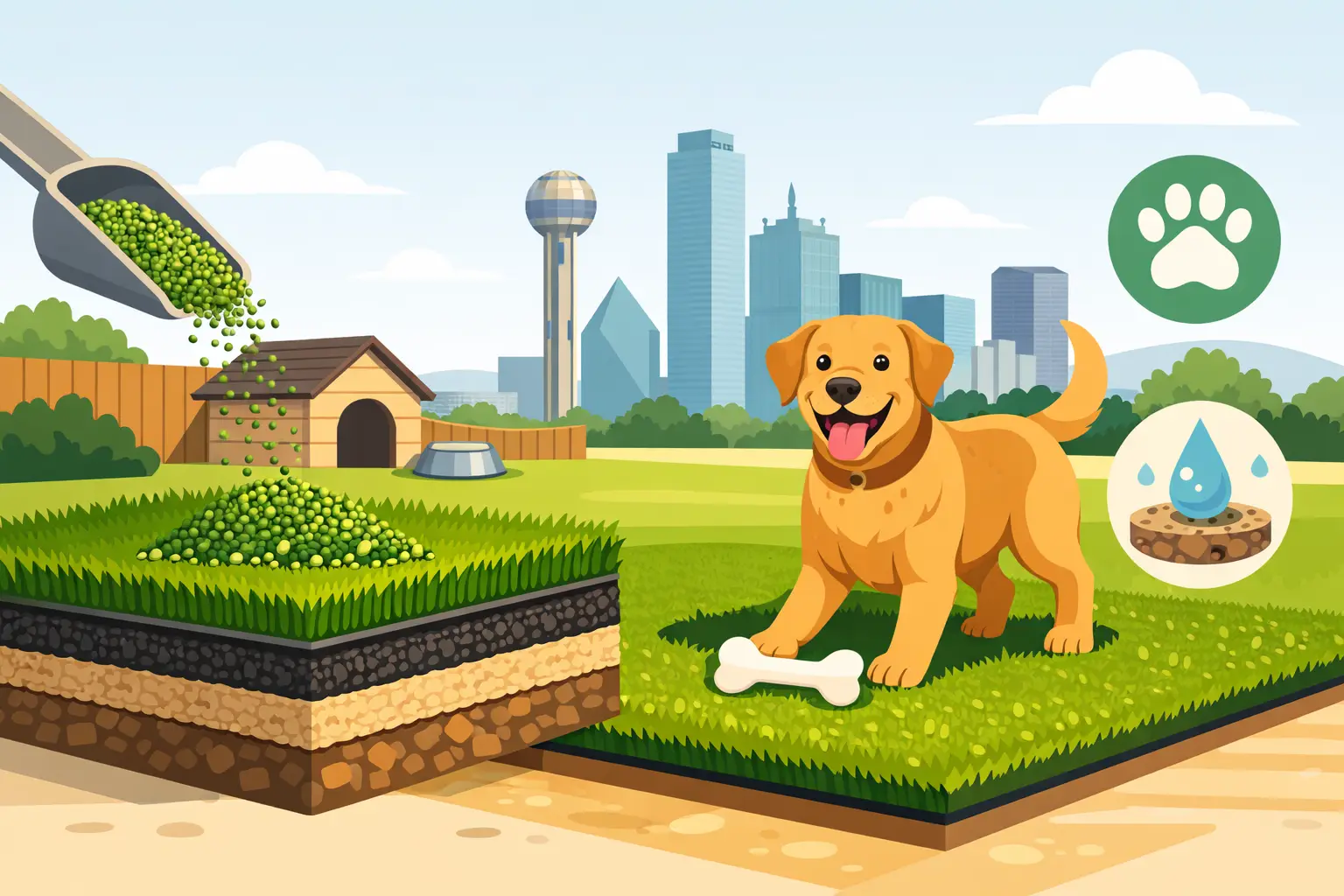
Yes, professionally installed artificial turf is designed to drain rainwater through its backing and into the prepared base below. Most quality turf products have perforations or a fully permeable backing that allows water to move through rather than sit on top of the surface. When the base is built correctly, rain drains down and away from the usable lawn area.
That does not mean every turf installation automatically solves flooding. Dallas-Fort Worth soil often contains heavy clay, which holds water and drains slowly. A yard with poor slope, clogged gutters, a low patio edge, or water flowing from a neighboring property may need additional drainage work before turf goes in.
Think of turf as the finished surface, not the entire drainage plan. A strong installation accounts for where water comes from, where it needs to go, and how the base will move it through the system during heavy rain.
What Makes Artificial Turf Drain Properly
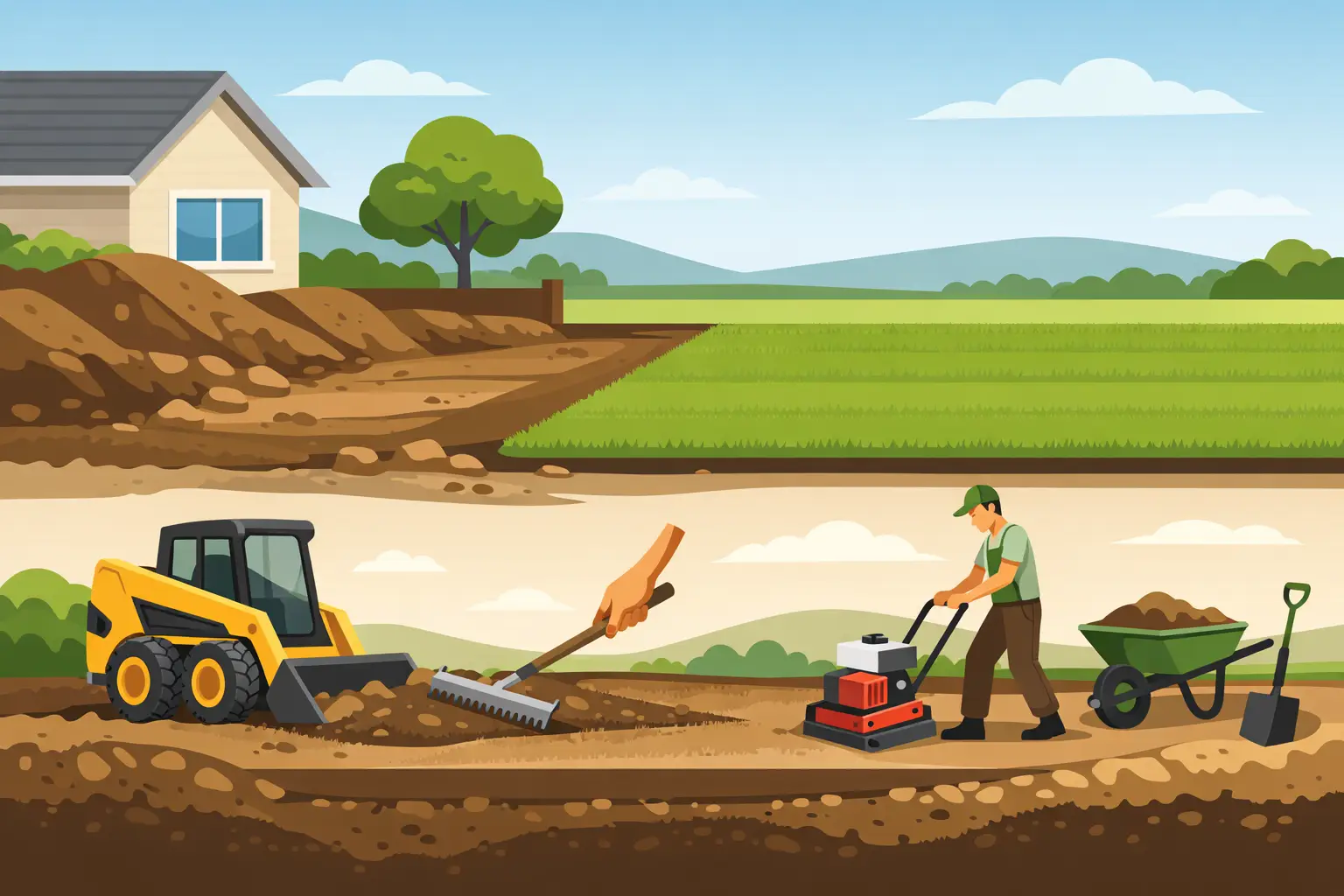
A reliable turf lawn starts below the blades. The installation crew removes existing grass and unstable material, shapes the area to maintain proper slope, and installs a compacted aggregate base. This base gives the surface its support while creating room for water to pass through.
The turf backing then lets water enter that drainage layer. From there, water can percolate into the soil or move toward a planned drainage route, depending on the conditions of the property. The result is a lawn that dries much faster than compacted natural grass after a storm.
The exact build matters. A backyard putting green, pet area, poolside turf section, and front-yard lawn can each require a different approach. Putting greens need a smooth, stable surface for ball roll. Pet areas need effective drainage and odor-control planning. Pool decks may need special attention to runoff and transitions between turf, concrete, and drains.
For properties with a history of water problems, the installation may also include drainage solutions such as channel drains, catch basins, French drains, or revised grading. These features are not extras for the sake of extras. They address water at the source so it does not push up beneath the turf or collect against the home.
Heavy Rain Does Not Hurt Turf, But Standing Water Can Signal a Problem
Artificial grass will not become muddy, develop bare spots, or wash away the way natural sod can during a hard storm. Its fibers are made to handle moisture, and quality backing materials are built for outdoor use. Once rain stops, a properly drained turf lawn is typically ready to use much sooner than a natural lawn.
Still, water sitting on any artificial grass surface for an extended period deserves attention. Puddles may point to a blocked drain, a low spot in the base, insufficient slope, or water entering the yard faster than the drainage system can carry it away. The turf may look fine from above while the real issue sits beneath it.
After a major storm, look for a few practical signs: water remaining on the surface after several hours, soft or spongy sections, shifting seams or edges, runoff pooling near the house, and water carrying debris across the lawn. One brief puddle during a severe downpour is not necessarily a failure. Repeated pooling in the same spot is a reason to have the area checked.
Why Existing Drainage Must Be Addressed First
Installing turf over a low, soggy backyard does not change the yard’s natural grade. If water already runs toward your foundation or gathers near the fence line, it will keep trying to do the same thing after installation. The difference is that turf can make the surface look finished while the water issue remains hidden underneath.
That is why a site evaluation matters before work begins. An experienced installer checks slope, downspout locations, patio elevations, pool drainage, soil conditions, and the direction water travels during storms. This allows the crew to plan the base and drainage around the property instead of treating every yard the same.
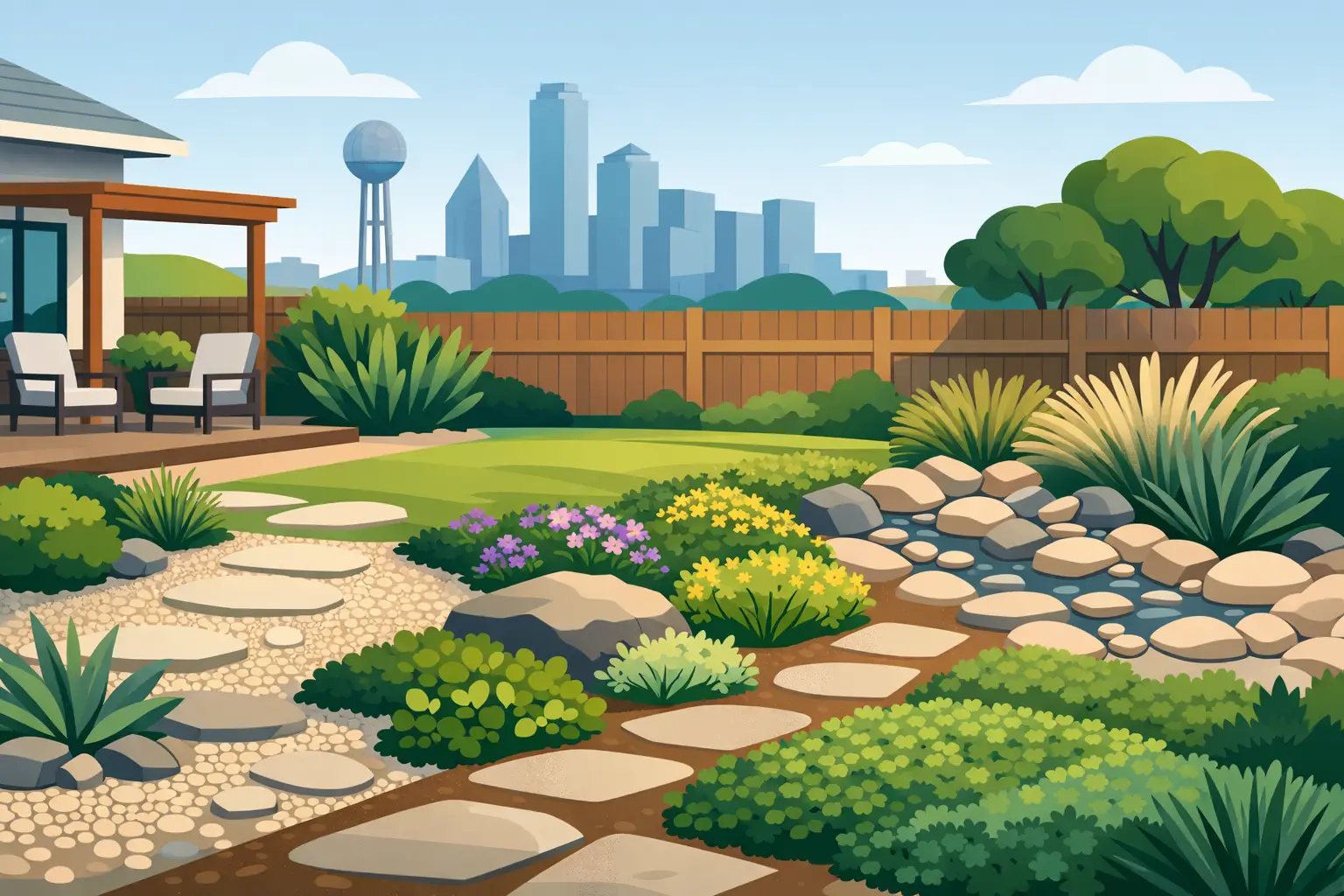
In some cases, a small grading adjustment is enough. In others, a drain system is the smart long-term investment. Homeowners often choose to handle hardscape, walkways, retaining walls, or patio improvements at the same time because these features affect runoff too. A full-service project plan prevents one new surface from creating a problem for another.
Turf Versus Natural Sod After a Storm
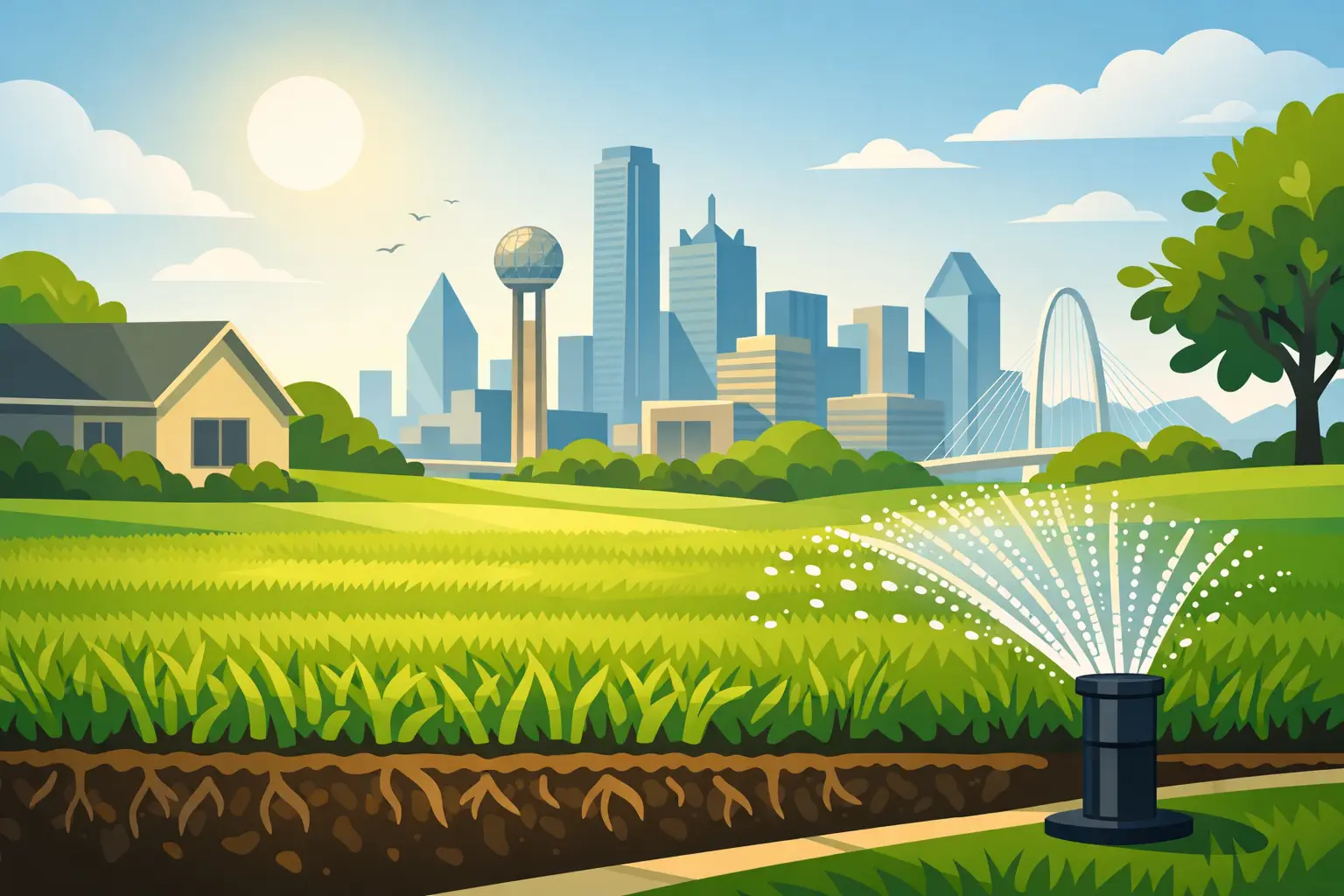
Natural sod can handle rain when it is well rooted and the soil drains correctly. However, heavy rain can compact soil, create mud, expose roots, and leave grass vulnerable to foot traffic. If children, dogs, or guests use the lawn before it dries, ruts and worn areas can show up quickly.
Artificial turf offers a cleaner surface after rain. There is no mud tracked into the house, no mowing delay, and no need to wait for saturated soil to recover. For busy families, pet owners, and homeowners who want a polished backyard year-round, that convenience is a major benefit.
There are trade-offs. Natural grass can be a good choice for homeowners who prefer a living lawn and are prepared for regular mowing, watering, fertilizing, and seasonal repair. Turf has a higher upfront installation cost, and its performance depends heavily on professional base and drainage work. The right choice comes down to how you use the space, how much maintenance you want, and what your property needs to manage water.
Keeping Turf Ready for Texas Storms
Artificial turf requires far less maintenance than natural grass, but it is not a surface to ignore completely. Remove leaves, branches, and other debris after storms, especially around drains and edges. Debris can block water flow and create unnecessary pooling in areas that would otherwise drain well.
If your turf includes infill, occasional brushing helps keep fibers upright and distributes the material evenly. Pet owners should rinse areas regularly and use a turf-safe cleaner as needed. These simple habits keep the lawn looking sharp and help water move through the surface as intended.
It is also smart to watch nearby gutters and downspouts. A roof can send a surprising amount of water into one section of the yard during a Dallas storm. Extending or redirecting a downspout may protect the turf base, patio, and foundation at the same time.
Get the Drainage Plan Right Before Turf Goes Down
The best turf projects look effortless because the hard work happens underneath the finished lawn. At Sod Green, the goal is not just to install artificial grass that looks great on day one. It is to build an outdoor surface that stays clean, stable, and useful through North Texas rain, summer heat, pets, playtime, and everyday life.
If your yard has recurring puddles, muddy traffic paths, or runoff near the house, bring that up before choosing a turf style. A clear drainage plan gives your new lawn the foundation it needs to look good long after the next heavy storm passes.



Leave A Comment