 Skip to content
A good-looking turf lawn is built from the ground up. If you are wondering what goes under artificial turf, the short answer is this: much more than just dirt. The layers below the turf are what control drainage, comfort, stability, and how long the surface holds up in Texas heat.
That is where many installations go right or wrong. From the street, two turf yards can look similar on day one. A year later, one still looks clean and level, while the other has dips, odors, loose edges, or drainage problems. The difference is usually what was installed underneath.
What goes under artificial turf in a proper installation
In most residential installations, the system under artificial turf includes compacted subgrade, a crushed aggregate base, and the turf itself secured with nails or staples around the perimeter. Depending on the yard, there may also be a weed barrier, drainage improvements, shock pad, or special pet-focused materials.
Each layer has a job to do. The native soil provides the starting surface. The base rock creates structure and helps water move through. Optional layers solve specific problems, like uneven ground, heavy foot traffic, or pet use. When those parts are matched to the property, the turf performs better and requires fewer repairs later.
The first layer starts with the existing ground
Before any base material goes down, the existing grass, roots, and debris need to be removed. The ground is then shaped and compacted. This step matters because artificial turf does not hide a bad foundation for long. If the soil below is soft, rutted, or poorly graded, those issues tend to show up after rain and regular use.
In North Texas, soil movement is a real factor. Expansive clay can shift with moisture changes, which means prep work cannot be rushed. A solid installation starts by cutting out unstable material, establishing the right slope, and compacting the area so the next layers sit on something dependable.
The base rock is the most important layer
For most projects, the main material that goes under artificial turf is a compacted aggregate base. Installers often use decomposed granite, crushed limestone, or another road-base style material, depending on the application and site conditions. This layer is what gives the turf a firm, even surface.
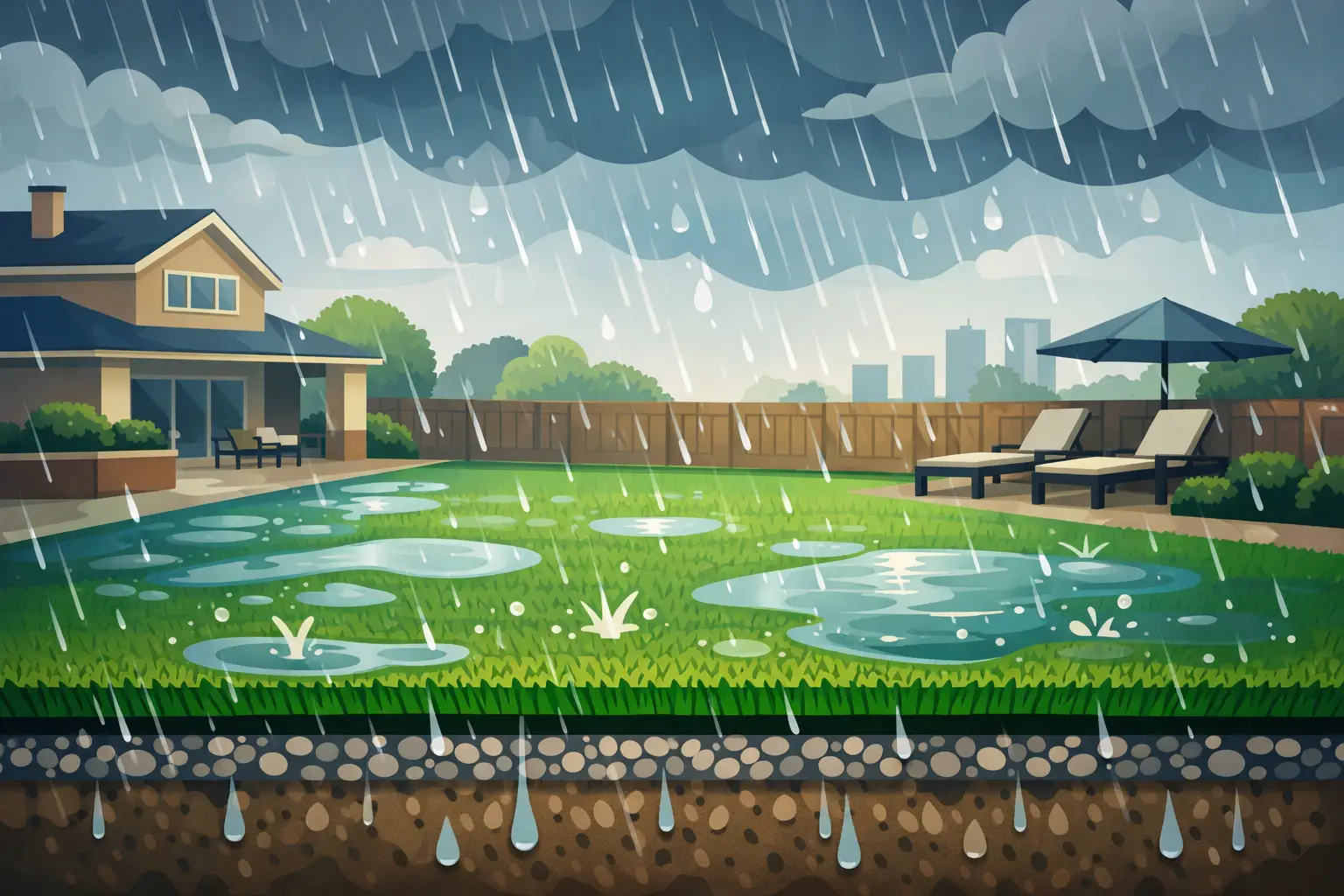
A proper base does two big jobs at once. First, it creates stability so the turf does not feel spongy or develop low spots. Second, it allows water to drain through instead of pooling on top or getting trapped underneath. In a place like Dallas-Fort Worth, where a yard may go from dry heat to a hard rain in the same week, drainage is not optional.
The depth of the base depends on the project. A simple decorative side yard may need less than a heavily used backyard, pet run, or putting green. If the area has poor drainage or soft soil, more excavation and a thicker base may be needed. That is why there is no one-size-fits-all answer.
Why compacting the base matters
Base material cannot just be spread out and covered. It needs to be compacted in lifts so it locks together and creates a stable foundation. If this step is skipped or done poorly, the turf may settle over time. That can lead to wrinkles, puddles, tripping hazards, and an uneven appearance.
Compaction is one of those details homeowners usually never see, but they definitely notice the results when it is missing. A clean finish starts below the surface.
Do you need a weed barrier under artificial turf?
Sometimes yes, sometimes no. A weed barrier can help reduce weed growth from below, but it is not a magic fix. Weeds can still blow in from above and germinate in dust or organic debris that settles on the surface.
In some installations, a geotextile layer is used between the soil and the base or directly under the turf. This can help with separation and limit growth from the ground beneath. In other cases, especially when excavation and base prep are done correctly, the system may perform well without relying heavily on a separate weed barrier.
The right choice depends on the property, the existing soil, and the intended use of the area. What matters most is proper site prep, not just adding fabric and hoping for the best.
What goes under artificial turf for pets?
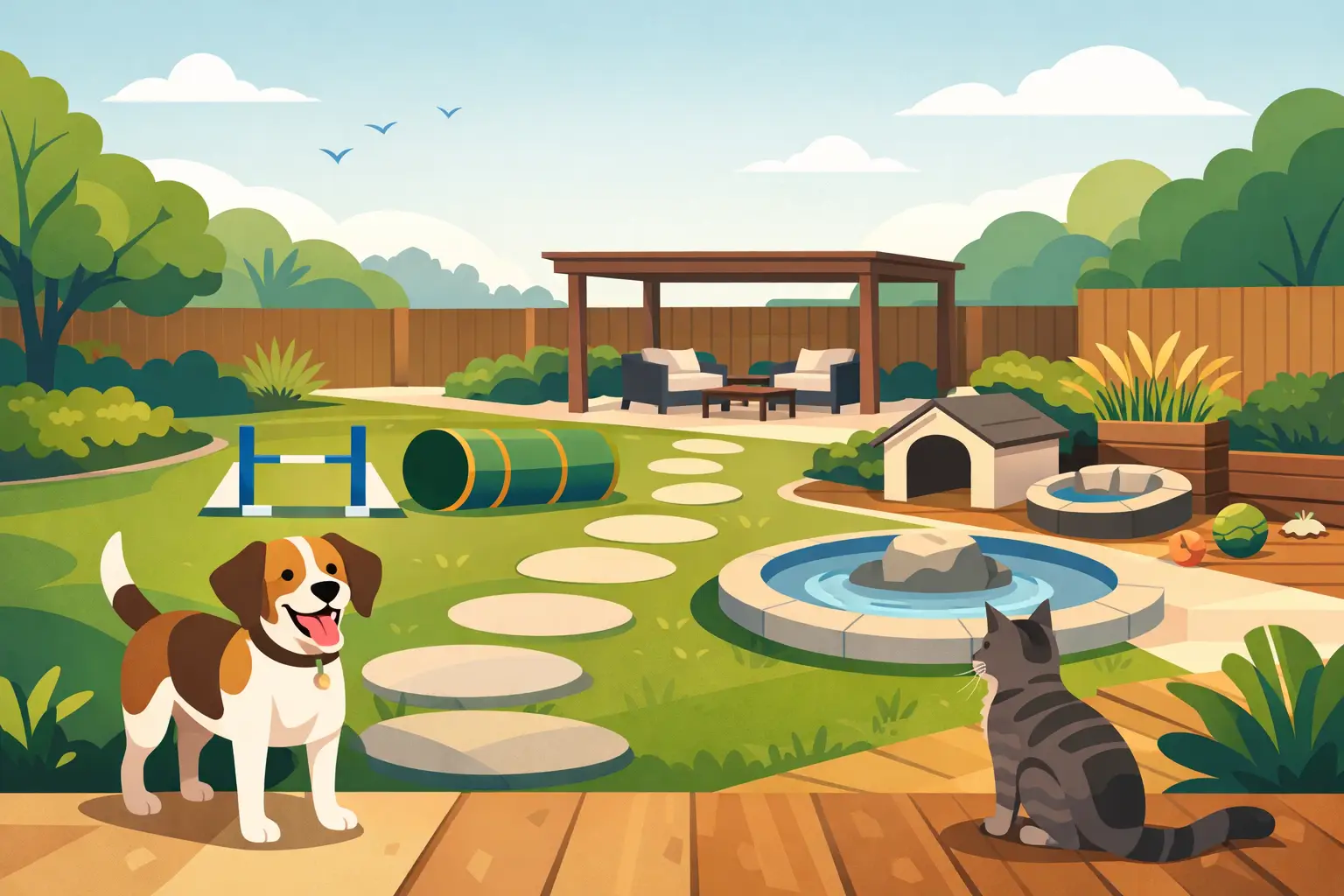
Pet areas usually need more attention underneath than a standard lawn section. The base still matters, but odor control and drainage become a bigger priority. For dogs, the goal is to let liquid move through quickly and make cleanup easy.
That can mean using a base material that drains well and, in some cases, adding a deodorizing infill or antimicrobial product designed for pet use. Some installers also add drainage components if the yard tends to hold water. If there are multiple dogs or the space gets heavy daily use, the system under the turf has to work harder.
This is one of the clearest examples of why cheap installation often becomes expensive later. If urine sits in the base because drainage was ignored, the turf may start to smell no matter how often the surface is rinsed.
What about foam padding or shock pads?
Not every turf project needs a pad underneath, but some do. Shock pads or foam underlayment are often used for playgrounds, athletic areas, and some putting greens. They add cushioning and can make the surface safer or more comfortable underfoot.
For a typical residential lawn, a pad may not be necessary. In fact, adding one where it is not needed can increase cost without improving the result. On the other hand, for families with kids or for areas where comfort matters, a shock pad can be a smart upgrade.
This is another place where the right answer depends on how the space will be used. A front yard built for curb appeal has different needs than a play area behind the house.
Can you put artificial turf directly on soil?
Technically, it can be done. Practically, it is usually a bad idea.
When turf is installed directly over soil without a proper base, problems show up fast. The surface can shift, wrinkle, and hold water. Foot traffic creates uneven spots. Edges loosen. Insects and weeds are more likely to become an issue. Even if it looks acceptable at first, it rarely performs like a professionally built system.
If you want turf to last, the material underneath matters just as much as the turf product itself. Homeowners often compare turf face weight, blade shape, and color, which all matter, but the hidden base is what protects that investment.
Drainage is the part homeowners regret ignoring
One of the biggest reasons people replace natural grass with turf is to solve a problem. Maybe the yard stays muddy, the dogs destroy the lawn, or shady spots never grow well. If the drainage problem underneath is not addressed, turf will not magically fix it.
That is why grading and water flow need to be part of the install plan. Some yards need minor slope correction. Others need more serious drainage work below or around the turf area. A strong installer looks at the full picture, not just the surface finish.
For homeowners in North Texas, this matters even more because storms can hit hard and fast. A yard that drains poorly before installation is not something to guess at.
The wrong base shows up in expensive ways
When the layers under artificial turf are done wrong, the warning signs usually follow a pattern. You may see standing water after rain, dips in common walking paths, edges pulling up, or areas that feel loose underfoot. In pet spaces, odor is often the first complaint. In entertainment areas, it is an uneven or cheap feel.
The frustrating part is that most of these issues are not caused by the turf itself. They come from shortcuts below the surface. Thin base, poor compaction, weak drainage planning, or rushed prep work can all shorten the life of the installation.
That is why homeowners should ask what goes under artificial turf before they compare prices. A lower quote can leave out the very materials and labor that make the turf perform well.
What a homeowner should expect from a quality install
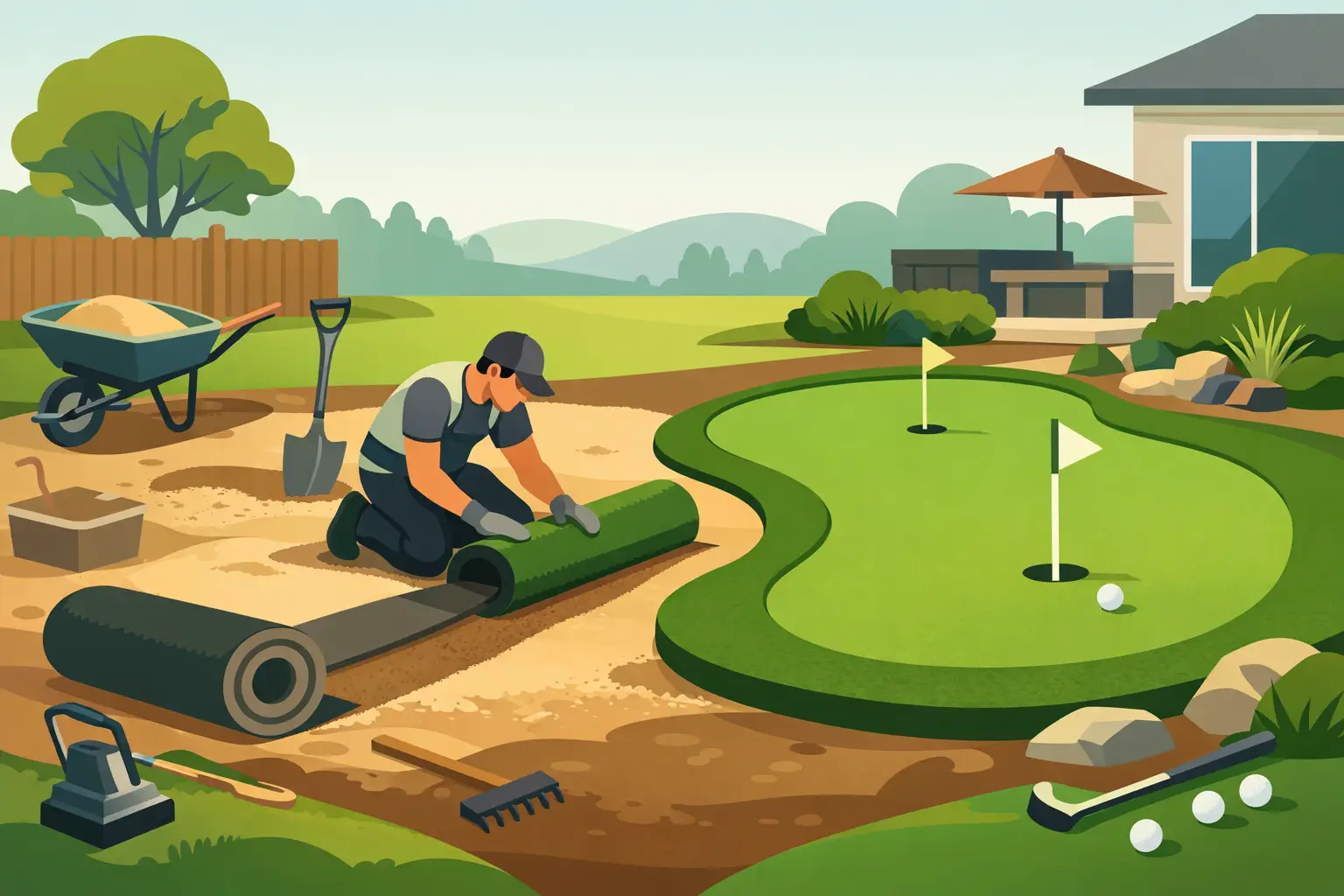
A quality installation should start with excavation and grading, followed by a compacted aggregate base matched to the site conditions. The turf should then be cut, stretched, secured, and finished with the right infill for the application. If the yard has drainage problems, pet use, or specialty features like a putting green, those needs should be built into the system from the start.
A reliable contractor should be able to explain the materials going underneath in plain language. You should know how the area will drain, how the base will be compacted, and whether any added layers make sense for your yard. At Sod Green, that kind of practical planning is what separates a fast install from one that actually holds up.
If you are investing in artificial turf, do not focus only on the grass you can see. The real performance starts below it, and that is the part worth getting right the first time.


Leave A Comment