 Skip to content
A lawn can make a house look finished – or make the whole property feel like one more weekend project you never catch up on. In North Texas, that problem shows up fast. Heat, drought, foot traffic, pets, shade, and clay soil can turn natural grass into a patchy mess. That is why more homeowners are paying attention to residential artificial turf benefits, especially when they want a yard that stays clean, green, and usable without constant work.
Artificial turf is not the right answer for every space, but for many homes it solves the problems that traditional grass keeps creating. If you are tired of watering, mowing, mud, and brown spots, here is what turf actually brings to the table.
Why residential artificial turf benefits stand out in Texas
Texas lawns take a beating. One stretch of extreme heat can stress natural grass. A few dogs running the same path can wear it down. Too much shade in one area and too much sun in another makes it even harder to keep a yard consistent.
That is where artificial turf starts to make sense. Instead of fighting the same lawn problems every season, homeowners can install a surface designed to hold its color, drain properly, and handle daily use. For families who want the yard to look good all year, not just during the best few months, that reliability matters.
The biggest advantage is not just appearance. It is the combination of appearance, function, and lower maintenance. A good turf installation gives you a lawn that works on busy weekdays, during backyard parties, and after heavy use from kids or pets.
Lower maintenance without giving up the look of a finished lawn
For many homeowners, the top reason to switch is simple. They are done spending time and money trying to keep grass alive.
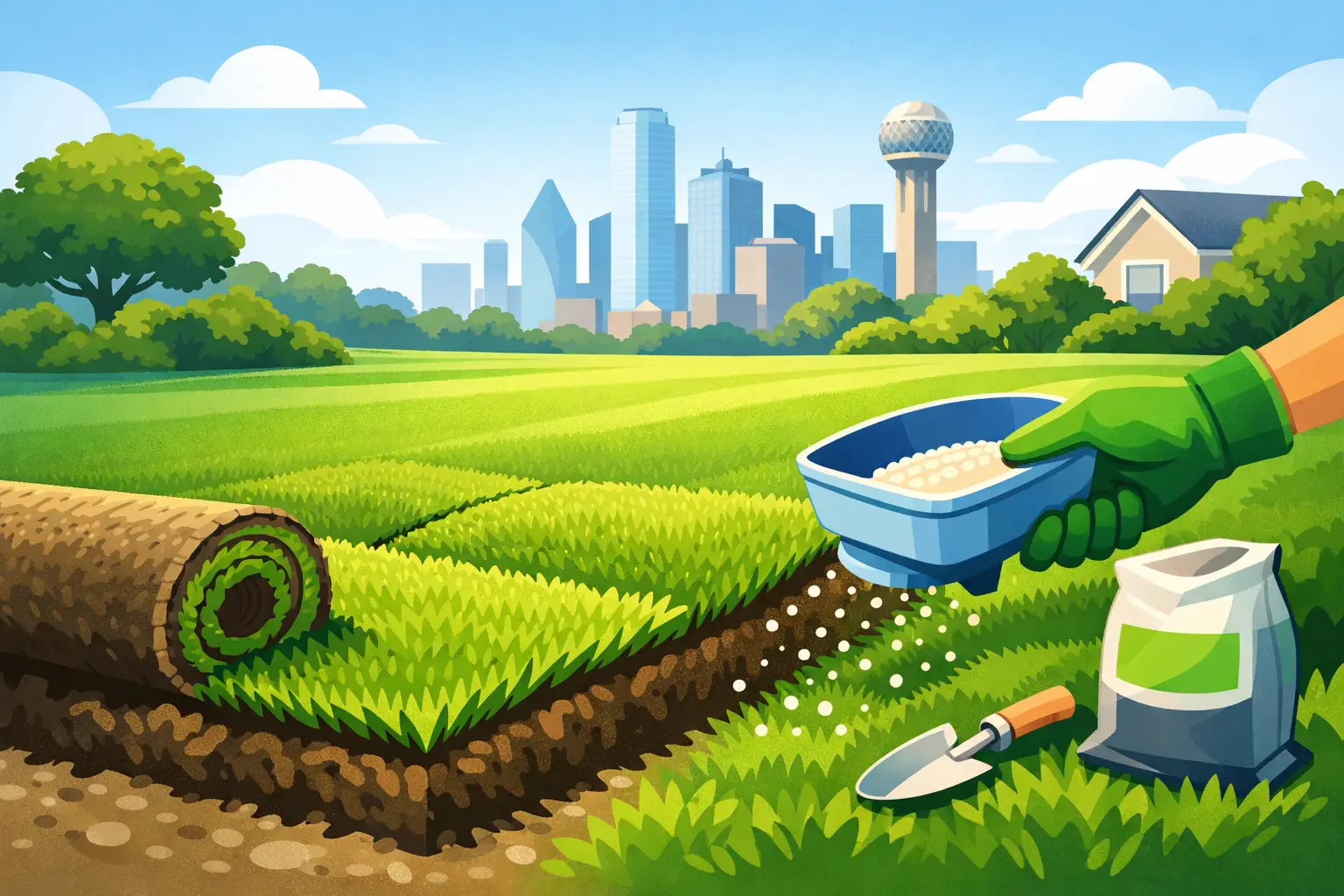
Natural lawns need mowing, edging, watering, fertilizing, weed control, reseeding, and seasonal cleanup. Even after all that effort, they can still end up uneven or discolored. Artificial turf cuts out most of that routine. You will still want occasional rinsing, light brushing, and cleanup, but it is a fraction of what a traditional lawn demands.
That makes a real difference for people with full schedules. If your goal is to enjoy the yard instead of manage it, turf helps get you there.
Water savings that make sense year after year
One of the most practical residential artificial turf benefits is reduced water use. In Dallas-Fort Worth, irrigation can be a major part of lawn care costs, especially during long, hot summers. A natural lawn often needs steady watering just to stay presentable.
Artificial turf changes that equation. Once installed, it does not need sprinkler cycles to keep its color. You may hose it down occasionally for dust, pet cleanup, or a quick refresh, but that is not the same as watering a living lawn several times a week.
Over time, those savings can become one of the strongest financial reasons to make the switch. It also helps homeowners who want a better-looking yard without feeling like they are pouring money into irrigation every month.
A cleaner yard for kids, pets, and everyday use
Mud is one of the biggest hidden frustrations in a backyard. It gets tracked into the house, onto patios, around pools, and through high-traffic areas near doors and gates. After rain or overwatering, natural grass can turn into a mess fast.
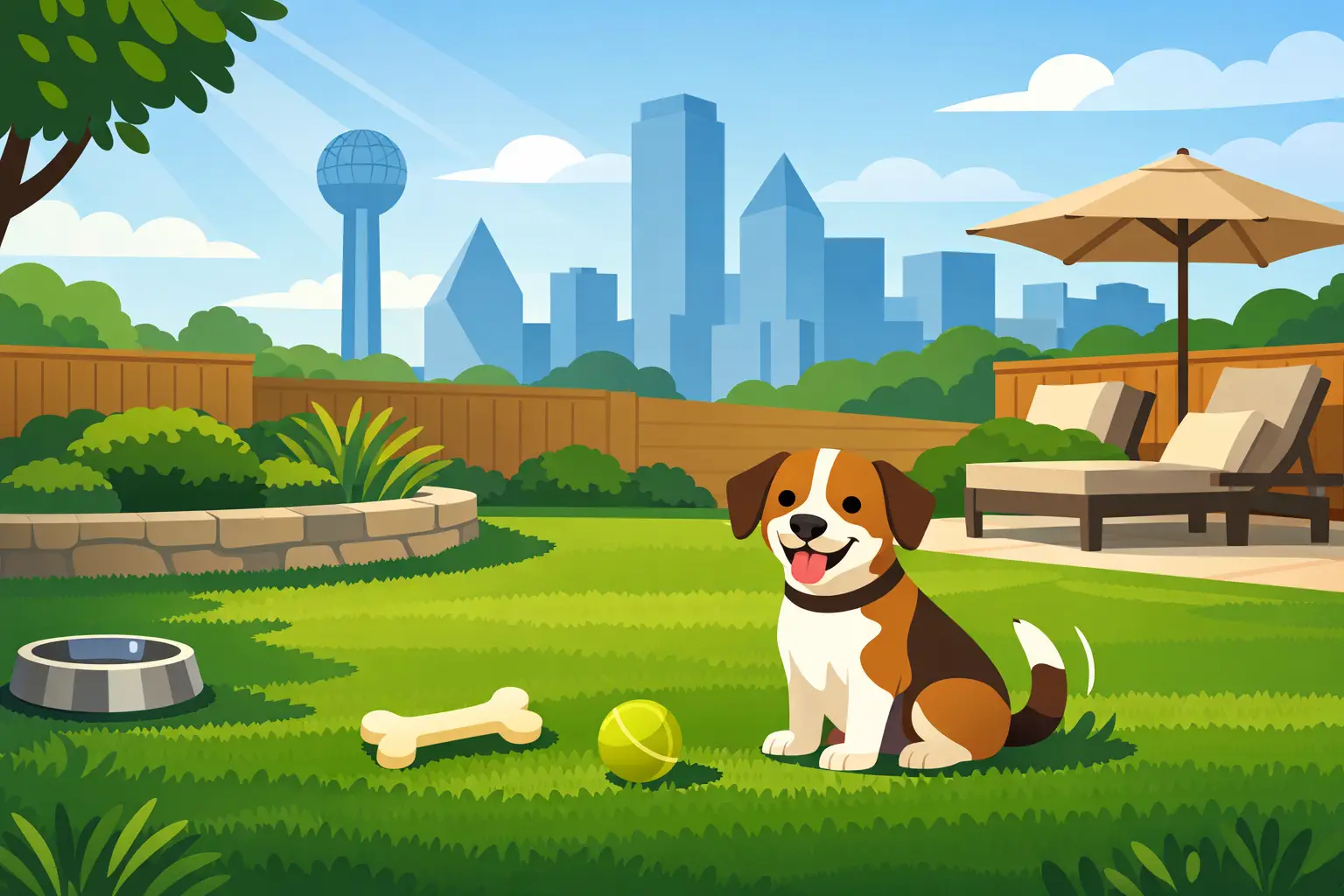
Artificial turf helps create a cleaner outdoor surface. With the right base prep and drainage, the yard stays more stable underfoot and dries out much faster than many natural lawns. That is a big win for families with children, dog owners, and anyone who is tired of paw prints across the floor.
For pet areas, turf can also reduce worn-out patches and urine burn spots. The key is proper installation and choosing a system built for residential use, not just rolling out a cheap product and hoping it performs like a finished lawn.
Strong curb appeal in every season
A green, even lawn changes the way a property looks from the street. It frames the home, makes landscaping stand out, and gives the whole exterior a more polished feel.
That is another reason homeowners look at turf. It keeps a consistent appearance through heat, dry spells, and heavy use. You do not get the same cycle of green, stressed, brown, then repair. Instead, the yard stays visually clean and intentional.
This matters if you care about curb appeal, if you host often, or if you simply want to pull into the driveway and feel like the property looks taken care of. Artificial turf is especially effective in front yards, side yards, small courtyards, and areas where real grass struggles to establish evenly.
Better performance in problem areas
Some yards have sections where natural grass never really works. It might be a narrow side yard, a shaded strip between homes, an area around a pool, or a slope that turns patchy no matter what you do.
Artificial turf gives homeowners a more dependable solution for those trouble spots. Because it does not rely on ideal growing conditions, it can perform where natural sod keeps failing. That does not mean every site is simple. Drainage still matters, and the base has to be built correctly. But when those details are handled by trained installers, turf can turn an unusable space into one that looks finished and functions well.
This is also where a full-service contractor brings extra value. If the area has grading, drainage, edging, or hardscape needs, those pieces should work together instead of being treated like separate problems.
Durability for active households
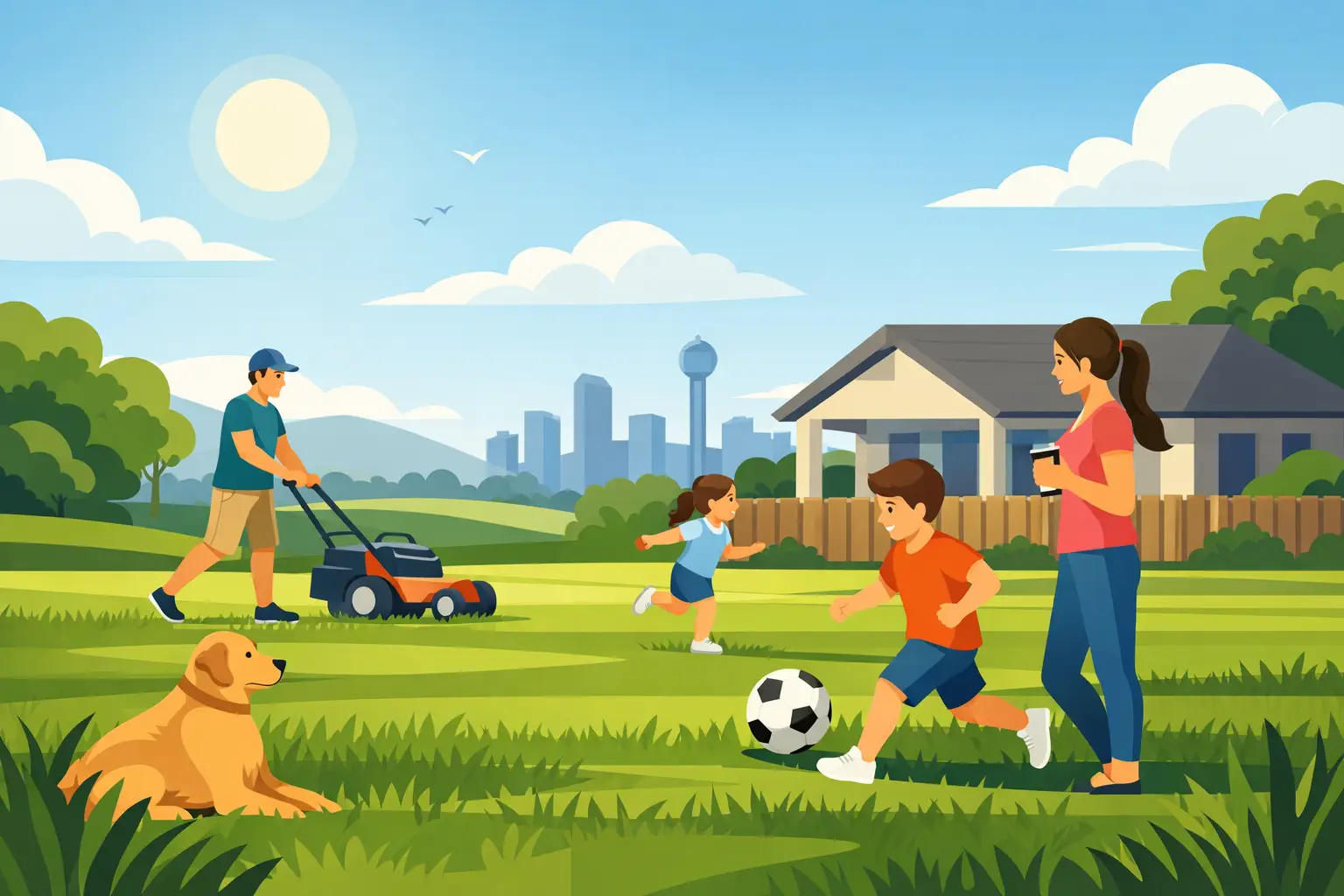
Not every yard is just for looks. Some homeowners need a lawn that can handle movement. Kids run across it every day. Dogs wear paths into it. Friends gather around the grill. Furniture gets moved around for parties. Pool traffic pounds the same routes all summer.
Artificial turf is built for that kind of use. A quality system holds up far better than natural grass under repeated foot traffic. Instead of bare spots forming in the busiest areas, the surface stays more consistent.
That said, not all turf products are equal. Fiber quality, infill, drainage design, and installation standards all affect how the lawn performs over time. If you want durability, the install matters just as much as the material.
Fewer lawn chemicals and fewer ongoing lawn headaches
A natural lawn often requires more treatments than homeowners first expect. Fertilizer, weed killers, insect control, fungus treatment, and seasonal repair all add up. That means more cost, more scheduling, and more things to monitor.
Artificial turf reduces much of that ongoing cycle. You are not chasing weeds through the middle of the lawn, trying to fix dead spots, or guessing why one area suddenly stopped growing right. For homeowners who want a simpler yard, that reduction in lawn-related problems is a real benefit.
It is not zero responsibility. Leaves still need to be removed and pet areas need cleaning. But compared to the constant upkeep of live grass, the workload is much lighter and more predictable.
A smart option around pools, patios, and outdoor living spaces
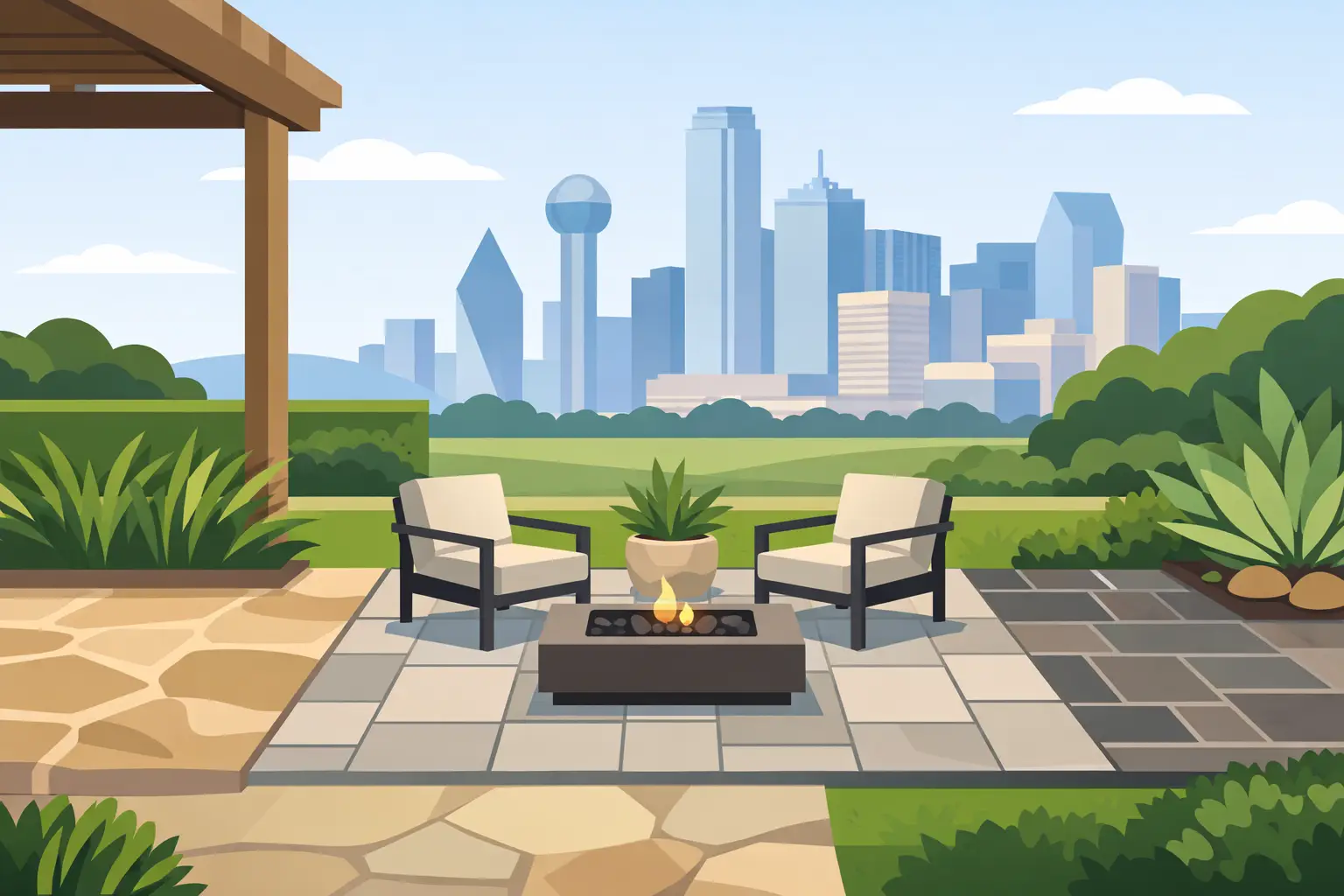
Artificial turf works especially well when the yard is part of a bigger outdoor design. Around pools, patios, walkways, putting greens, and lounge areas, it creates a clean transition that looks neat and feels comfortable underfoot.
Many homeowners do not need a full turf yard to see the benefits. Sometimes the best approach is using turf in specific sections where maintenance, drainage, or appearance are the biggest issues. A backyard might combine turf with stonework, planting beds, or a patio extension for a more complete upgrade.
That kind of design flexibility is one reason turf continues to grow in popularity. It is not just about replacing grass. It is about building a yard that fits how the space is actually used.
The trade-offs homeowners should understand
Artificial turf has clear advantages, but it is still worth looking at the trade-offs honestly. The upfront investment is higher than basic lawn repair or sod replacement. Turf can also get warmer in direct summer sun than natural grass, although product choice, infill, and surrounding landscape design can help manage that.
It also has to be installed correctly. If the base work is rushed, drainage is ignored, or the wrong product is used, the final result will not perform the way homeowners expect. That is why choosing experienced installers matters so much.
For some properties, a mixed approach is the better fit. Turf may be ideal in high-traffic or low-growth areas, while natural sod still makes sense elsewhere. The right plan depends on the yard, the budget, and how you want to use the space.
When artificial turf makes the most sense
If your lawn is always struggling, if water use is climbing, or if you are tired of spending weekends on maintenance, artificial turf is worth serious consideration. It is a strong fit for homes with pets, kids, pool areas, small backyards, side yards, and front lawns where curb appeal matters every day.
For Dallas-area homeowners who want a faster, cleaner, more dependable lawn solution, the biggest benefit is peace of mind. A professionally installed turf system gives you a yard that looks finished when you leave for work, when guests come over, and when summer weather is doing everything it can to wreck a natural lawn.
A good outdoor space should make home feel easier, not create one more job on your list. If that is the goal, artificial turf is more than a visual upgrade – it is a practical one.



Leave A Comment