 Skip to content
A dead lawn usually does not happen all at once. It starts with thin spots, weeds taking over, bare dirt after rain, and grass that never really comes back no matter how much water you throw at it. If you are wondering how to replace dead lawn areas for good, the real answer is not just laying new grass on top and hoping for the best. The job starts with figuring out why the lawn failed in the first place.
In Dallas-Fort Worth, heat, compacted soil, drainage issues, shade, pet traffic, and plain old wear and tear can all turn a yard into a patchy mess. That matters because the right replacement depends on what caused the damage. A lawn that died from drought stress needs a different fix than one that failed because water sits in the yard every time it rains.
How to replace dead lawn without repeating the problem
The biggest mistake homeowners make is replacing the surface but ignoring the base. Fresh sod over bad soil or poor drainage can look great for a few weeks, then start thinning, browning, or lifting at the seams. If you want a lawn that actually lasts, the prep work is where the project is won or lost.
Start by looking at the condition of the area. If more than half the lawn is dead, full replacement usually makes more sense than patching. Patching can work for small damaged sections, but once the yard is mostly bare or uneven, you will spend more time and money trying to save something that is already gone.
You also want to be honest about how you use the space. If you have kids, dogs, a pool, heavy foot traffic, or simply do not want to spend your weekends mowing and watering, natural grass may not be the best long-term fit. In that case, artificial turf can be the cleaner and more practical replacement.
Step one: remove the dead lawn completely
Before anything new goes in, the old lawn has to come out. That means dead grass, weeds, roots, and any soft or unstable organic material sitting on top of the soil. Leaving that layer behind creates an uneven surface and can prevent proper rooting if you are installing sod.
This is also the time to expose hidden issues. Once the lawn is stripped, you can see low spots, hard-packed soil, leftover debris from past construction, and drainage patterns that were not obvious before. Many problem yards fail because the grade was wrong from the start.
For some homeowners, this is where a simple lawn swap turns into a broader yard upgrade. If the area has standing water, eroded edges, or awkward transitions near patios and walkways, it often makes sense to fix those at the same time instead of replacing the lawn twice.
Step two: fix the soil, grade, and drainage
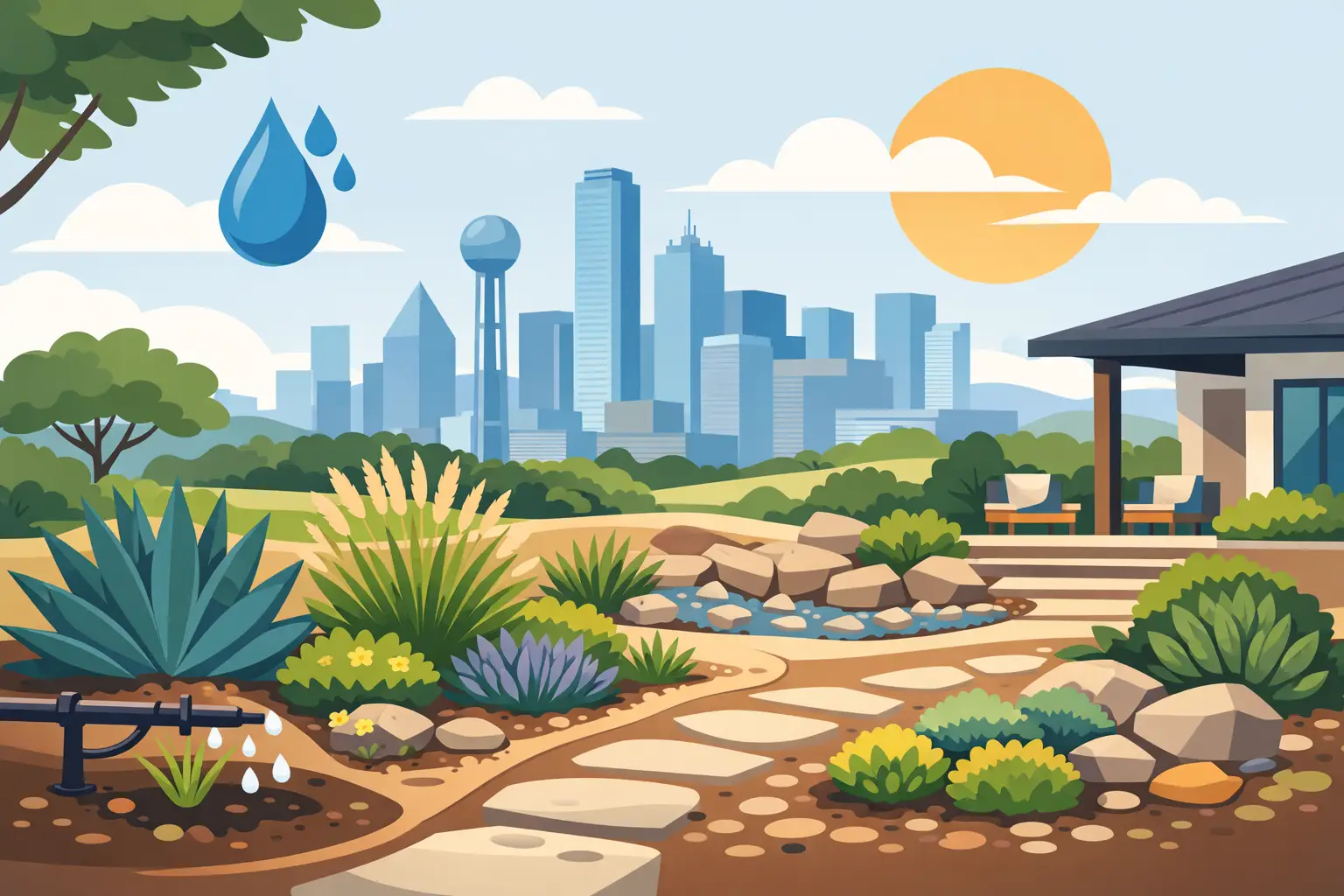
If you are replacing dead grass with new sod, the soil has to be loose enough for roots to establish. Compacted ground makes it hard for water, oxygen, and nutrients to move where they need to go. In many North Texas yards, that heavy clay soil needs real preparation before sod ever arrives.
That can include loosening the top layer, adding quality soil where needed, and regrading the area so water moves away from the home and does not collect in low spots. Good grading is not flashy, but it is one of the most important parts of a lawn installation.
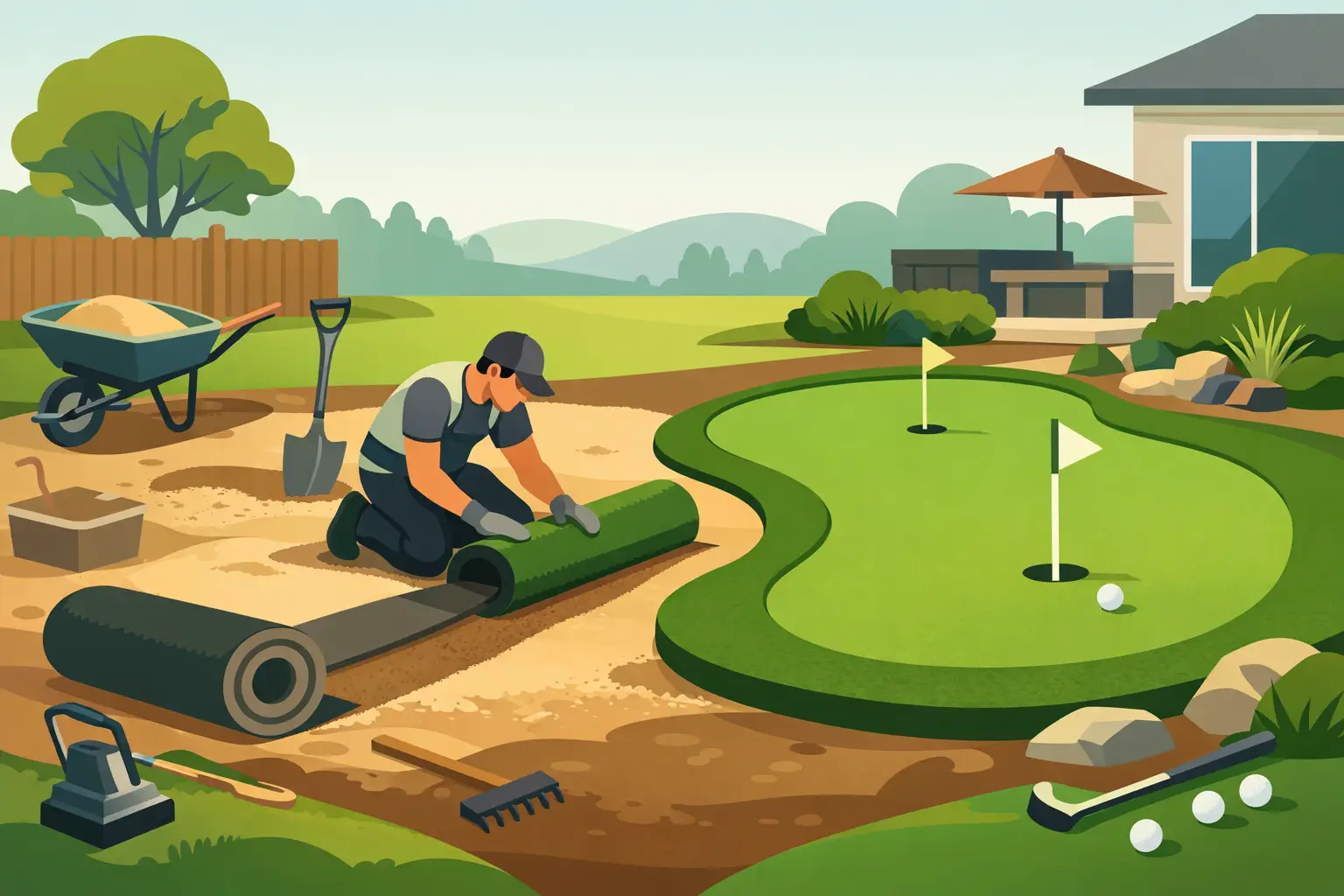
If you are going with artificial turf, base preparation matters just as much. Turf should not be installed over a rough, soft, or poorly draining surface. A solid base helps the lawn stay smooth, drain properly, and hold up under traffic. Done right, it gives you the clean, finished look homeowners want from day one.
Choosing the best replacement for a dead lawn
When people search how to replace dead lawn, they are usually deciding between sod and artificial turf. Both can work. The better option depends on your priorities.
When sod makes sense
Sod is a strong choice if you want the look and feel of natural grass and you are willing to maintain it. A professionally installed sod lawn gives you immediate coverage, a cleaner appearance than seeding, and a fast visual improvement for curb appeal.
That said, sod still needs water, seasonal care, and the right growing conditions. It is not a magic fix for shade problems, pet damage, or high-traffic areas. If the original lawn died because the area gets baked by sun all summer or beaten up every day, new sod may struggle unless the underlying issue is corrected.
When artificial turf makes sense
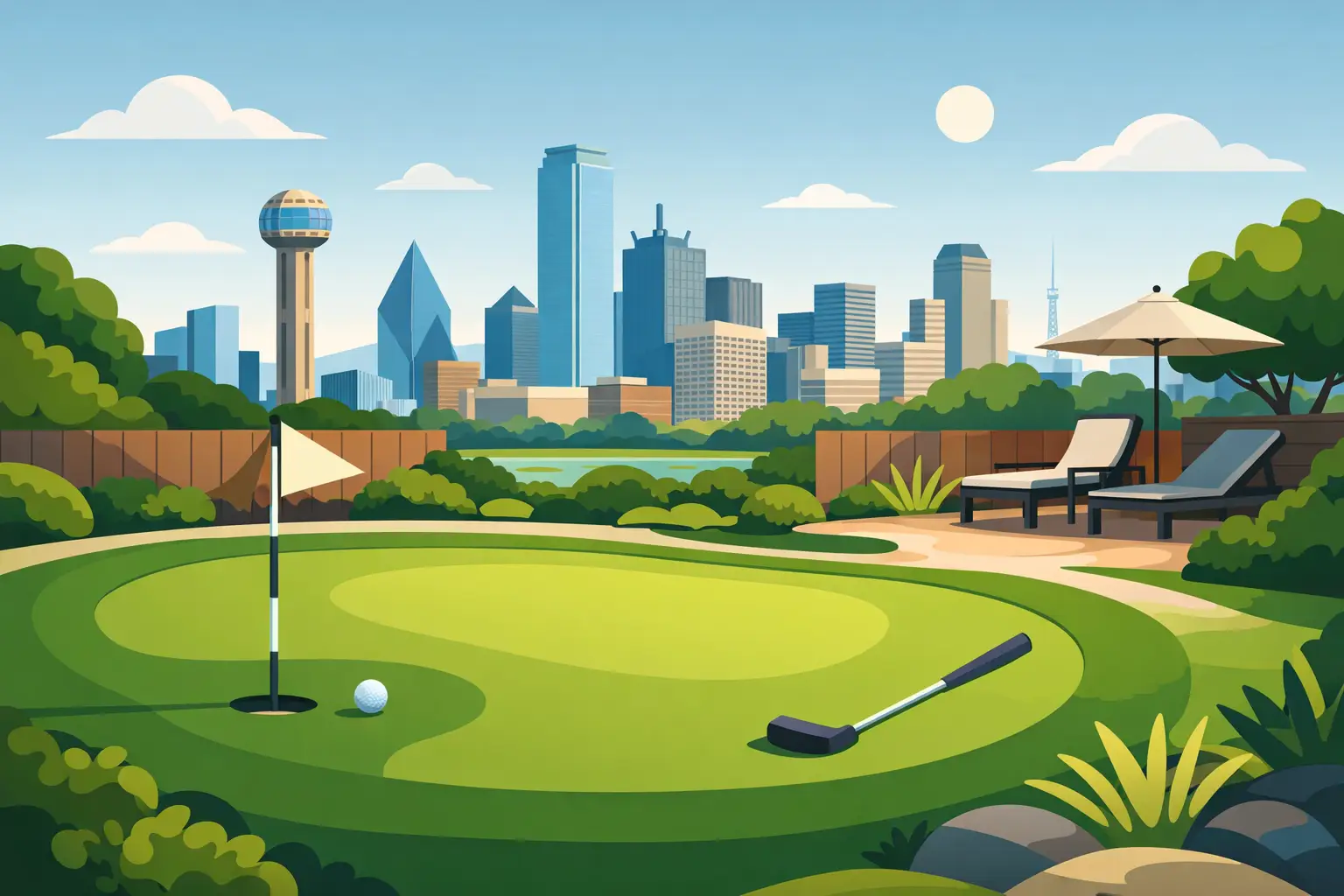
Artificial turf is often the better fit for homeowners who are done fighting dead spots, mud, mowing, and constant upkeep. It works especially well for backyards with dogs, play areas, pool surrounds, and side yards where natural grass never performs consistently.
The upfront investment is higher than sod, but the maintenance is much lower. You do not need regular mowing, fertilizing, reseeding, or heavy watering to keep it looking finished. For busy homeowners who want dependable results and a polished look year-round, that trade-off is often worth it.
A good turf installation should still feel intentional, not cheap or overly artificial. The difference comes down to product quality, drainage design, edge work, and installation experience.
Timing matters more than most people think
You can replace a dead lawn at almost any time of year, but conditions affect how successful the project will be. Sod installation tends to perform best when temperatures are not at the highest extremes and watering can be managed consistently during establishment.
In Texas, summer installs are possible, but they need tighter planning. Heat can stress fresh sod quickly, especially if the soil below was not prepared correctly. Artificial turf is less dependent on growing conditions, which makes scheduling easier for homeowners who want an immediate transformation without a grow-in period.
That is one reason many property owners choose turf when they want the job done once and done right.
DIY vs professional lawn replacement
It is possible to replace a lawn yourself, especially on a small, simple area. But there is a big difference between getting something installed and getting it installed correctly. Lawn replacement is not just about rolling out material. It is excavation, grading, drainage, base prep, cleanup, and finish work.
A rushed DIY job often shows problems fast. Sod can dry out, separate, or fail to root. Turf can wrinkle, shift, or drain poorly. Edges can look unfinished. And if the grade is off, you may trade a dead lawn for a water problem.
Professional installation usually saves time and reduces expensive callbacks because the crew handles the details homeowners do not always see at first. Clean transitions, proper compaction, smooth contours, and reliable drainage are what make the final result hold up.
For homeowners who care about curb appeal and want a fast turnaround, hiring a specialist is usually the smarter move.
What a successful lawn replacement should deliver
A new lawn should do more than cover dirt. It should make the property easier to enjoy. That means the surface looks clean, drains properly, and fits how your family actually uses the yard.
If you choose sod, success means healthy establishment and a lawn that has the right support to stay green. If you choose artificial turf, success means a realistic look, strong drainage, durable materials, and an installation that stays neat over time.
That is why a full-service approach matters. Lawn replacement often overlaps with edging, walkway transitions, patio borders, drainage correction, or other improvements that affect the finished look. When one experienced team handles the whole project, the yard tends to come together better.
Sod Green works with homeowners across Dallas-Fort Worth who want that kind of result – fast, clean, and built to last.
The smartest way to replace dead lawn
If your yard is mostly brown, bare, or beyond saving, trying to revive it month after month usually costs more in the long run. The smarter move is to start fresh with a solution that matches the space. Natural sod is great for homeowners who want living grass and are ready to maintain it. Artificial turf is a strong fit for anyone who wants a low-maintenance lawn that stays sharp without the constant work.
Either way, the right replacement starts below the surface. Fix the cause, prep the base, and install it correctly. That is how you turn a failed lawn into a yard you actually want to spend time in.


Leave A Comment