 Skip to content
Fast Growing Grass Seed: The Complete Dallas Homeowner’s Guide
If your lawn has bare spots and worn turf, you already know the frustration. You water it, you wait, and nothing happens. Fast growing grass seed is the solution most Dallas homeowners turn to when they need visible results fast not in months, but in days. Whether you have a patchy backyard, erosion damage, or an event coming up, the right seed makes all the difference. Most fast growing grass seed varieties germinate in 7–21 days under the right conditions.
The challenge is knowing which seed works in Texas heat, when to plant it, and how to set it up for success. This guide covers everything from seed types to soil prep so you stop guessing and start growing.
What Is Fast Growing Grass Seed?
Fast growing grass seed refers to grass varieties that reach visible germination quickly often within 3–10 days. But there is an important distinction most people miss.
Germination speed means the seed sprouts. Lawn fill-in speed means it forms a thick, usable lawn. These are two different timelines. Annual ryegrass can sprout in 3–7 days, but a full lawn still takes 4–6 weeks to establish.
“Fast” does not always mean best long-term. A seed that germinates fast but struggles in Texas summers will leave you reseeding every year. Understanding this difference helps you pick the right seed for your goal quick cover now, or a thick beautiful lawn that lasts.
Fastest Growing Grass Seeds: Data Comparison
Here is a clear breakdown of germination speeds for the most common seed types.
| Grass Type | Germination Time | Best For |
| Annual Ryegrass | 3–7 days | Temporary cover, worn turf areas |
| Perennial Ryegrass | 5–10 days | Fastest permanent lawn option |
| Tall Fescue | 5–12 days | Heat tolerance + durability |
| Bermuda Grass | 7–14 days | Hot climates like Dallas |
| Kentucky Bluegrass | 14–30 days | Self-repairing cool-season lawn |
Annual ryegrass is the fastest germinating grass seed variety available. It is commonly used for quick cover on spots and worn turf or for overseeding in fall. Jonathan Green and other seed brands use it in their fast-grow blends for exactly this reason.
Perennial ryegrass is slightly slower but builds a stronger, more permanent lawn. If you want to grow grass seed for long-term use, perennial ryegrass is the better call.
Best Fast Growing Grass Seed by Climate
Grass speed depends heavily on temperature, not just the seed. Planting a cool-season seed in July in Dallas will get you nothing but disappointment.
Warm Season Grasses (Best for Dallas, Texas)
Bermuda grass is the top choice for DFW homeowners. It handles Texas heat, foot traffic, and drought better than most options. Bermuda seed germinates in 7–14 days when soil temperature stays above 65°F. It spreads aggressively once established, which is why many lawns grown from fast grow blends include Bermuda for long-term fill.
Zoysia grass starts slow sometimes 14–21 days but once established, it forms one of the most durable turf surfaces available. Many Dallas homeowners use Zoysia as a long-term investment. It also works well in sun to medium shaded areas, which makes it versatile across different yard layouts.
Cool Season Grasses (Temporary or Transitional)
Perennial ryegrass and tall fescue both work well in cooler months. Dallas winters are mild, so overseeding Bermuda lawns with perennial ryegrass in October keeps your yard green through winter. This is a common practice across the DFW Metroplex.
For anyone asking about the best grass seed for Dallas Texas, the answer is Bermuda for summer, ryegrass for winter overseeding.
How Long Does Grass Seed Take to Grow?
Here is a realistic timeline for most fast growing grass seed types:
- Day 3–7: First sprouts visible (annual ryegrass, perennial ryegrass)
- Day 7–14: Seed germinates in warm-season grasses like Bermuda
- Week 2–4: Visible lawn coverage begins
- Month 2–3: Lawn thickens and fills in fully
- Month 6: Full lawn establishment with deep root structure
Many homeowners expect a perfect lawn in two weeks. That is not realistic, but you will see visible progress within the first 10 days with the right seed and setup.
How to Make Grass Grow Faster: Step-by-Step
This is where most guides fail you. They say “water regularly” and move on. Here is the actual process that produces results.
Step 1: Soil Prep
Remove dead grass, weeds, and debris. Aerate compacted soil. Dallas clay soil is notoriously dense, and seeds cannot penetrate it without aeration. This step alone can cut germination time by 30–40%.
Step 2: Seed-to-Soil Contact
Seed to soil contact is the single most important factor in germination speed. Seeds that sit on top of dry, loose debris will not germinate. After seeding, use a lawn roller or rake lightly to press seeds into the soil. This is the step most DIYers skip and it is why their grass grows unevenly.
Step 3: Watering Strategy
Light and frequent watering is the rule during germination. Water 2–3 times daily for 5–10 minutes each session. The goal is to keep the top 1 inch of soil consistently moist. Once grass reaches 2 inches tall, shift to deep watering twice per week to build grass seed germination time efficiency and strong roots.
Step 4: Soil Temperature Timing
Soil temperature for grass seed matters more than air temperature. Cool-season seeds need soil at 50–65°F. Warm-season seeds like Bermuda need 65–70°F minimum. In Dallas, this means planting Bermuda from late April through June, and cool-season seed from October through November.
Step 5: Use a Seed Blend
Single-variety seeding is fine, but a seed blend performs better in most conditions. A blend of 70% tall fescue, 20% annual ryegrass, and 10% bluegrass gives you speed from the ryegrass, heat tolerance from the fescue, and self-repair ability from the bluegrass. This is the same approach used in quality products that help you establish a thick beautiful lawn built to last.
Fast Growing vs Long-Lasting Grass: Which Do You Need?
| Factor | Fast Grass | Long-Lasting Grass |
| Germination Speed | 3–10 days | 10–30 days |
| Durability | Moderate | High |
| Texas Heat Tolerance | Low–Medium | High |
| Maintenance | Low | Medium |
| Lifespan | 1 season (annual) to permanent | Permanent |
If you are selling a home, hosting an event, or need erosion control now, annual ryegrass gives you the fastest result. If you want a lawn that survives Dallas summers and grows thick over time, Bermuda or tall fescue is the right call.
Ryegrass is fast but less heat tolerant. In Dallas temperatures above 95°F, annual ryegrass will die back. This is not a flaw, it is a designed feature for temporary quick cover. Bermuda grass seed to grow a permanent lawn is a different strategy entirely.
Common Mistakes That Slow Grass Growth
Planting in the wrong season. Bermuda seed planted in October will not germinate in Dallas. The soil is too cold. Match seed type to season.
Overwatering. Soggy soil suffocates germinating seeds. Moist, not wet, is the target. Check soil with your finger if it feels muddy, skip that watering session.
Poor seed-to-soil contact. Seeds resting on thatch or dry mulch germinate slowly or not at all. Always press seed into the soil surface.
Low-quality seed. Look for seeds with an 85%+ germination rate on the label. Old or improperly stored seed loses viability fast. Fresh seed stored in cool, dry conditions gives the best results.
Mowing too early. Wait until new grass reaches 3–3.5 inches before the first mow. Cutting too early stresses young roots and slows lawn establishment.
When Should You Plant for Fastest Growth in Dallas?
Dallas sits in a transition zone, which gives homeowners options in both spring and fall.
For Bermuda grass and warm-season varieties: plant between late April and mid-June. Soil temperature needs to be consistently above 65°F, which Dallas typically reaches by early May.
For perennial ryegrass and cool-season overseeding: plant between mid-October and mid-November. This keeps your Bermuda lawn green through winter when Bermuda goes dormant.
Avoid planting any seed in July or August in Dallas. Heat stress prevents germination, and water evaporates before it can penetrate the soil. Many Dallas homeowners try to improve grass roots by overseeding in spring that works well, but timing is everything.
Is Artificial Grass a Better Option for Some Dallas Yards?
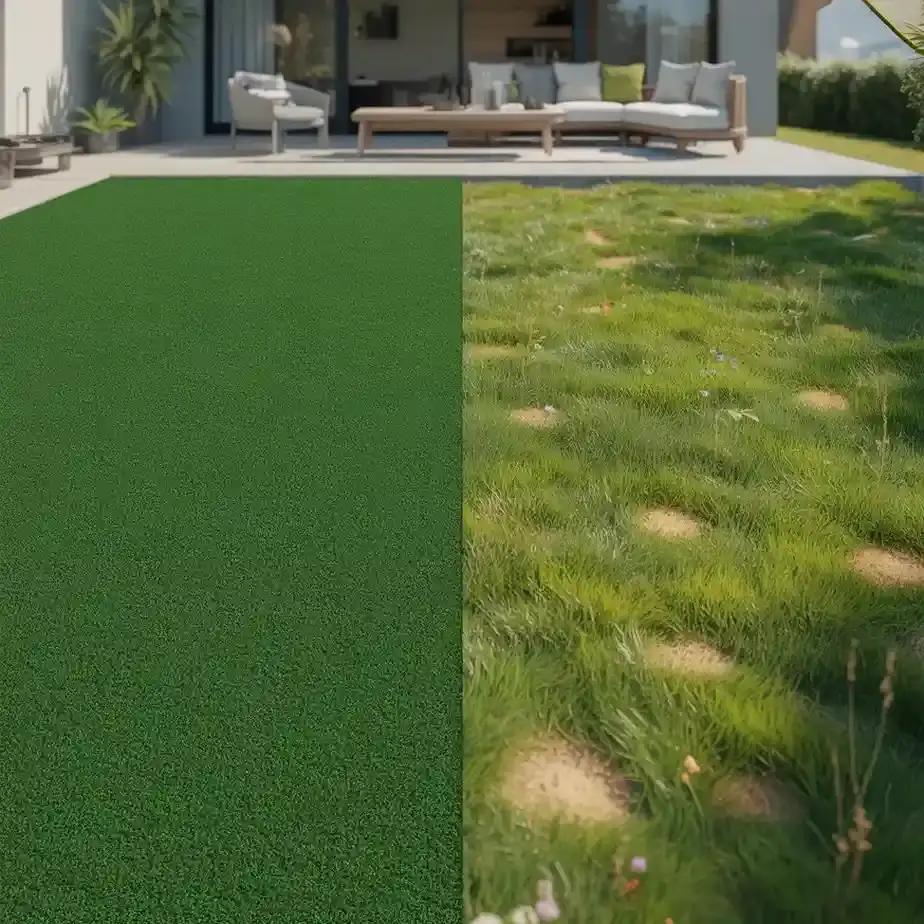
This is a question worth asking honestly. Artificial Grass vs. Real Grass is not a black-and-white decision. For homeowners with heavy shade, poor drainage, or heavy foot traffic, natural grass even fast-growing seed struggles.
How long does artificial grass last? Quality synthetic turf in Dallas typically lasts 15–20 years with minimal care. There is no germination, no watering schedule, and no seasonal replanting. For pet owners, fake grass carpet options are designed to drain quickly and resist odors.
Some homeowners use a hybrid approach: natural Bermuda in open sun areas, artificial turf in shaded or high-traffic zones. SodGreen handles both natural sod installation and artificial turf installation across Dallas and the DFW Metroplex.
For those committed to natural grass, Texas Native Plants can also fill supporting landscape roles around your lawn; they require less water and thrive in the local climate, reducing maintenance load overall. If you have Small Backyard Landscaping Ideas in mind, combining native ground cover with fast-growing grass in open areas gives you a low-maintenance, high-impact result.
Pro Tips From Dallas Landscaping Experience
Use fresh seed. Seed stored for more than one season loses germination rate fast. If the bag does not list a “packed for” date, skip it.
Do not skip soil testing. Dallas clay soil often runs alkaline. A pH test helps you amend soil before seeding, which directly impacts grass seed germination time.
First mow after 2–3 weeks. Wait until the lawn reaches 3 inches. Set mower blades high, removing no more than one-third of the blade at a time.
For full sun to medium shade yards, a fescue-ryegrass blend handles both conditions well. Pure Bermuda needs 6+ hours of direct sun to thrive.
Black Beauty grass seed blends from brands like Jonathan Green are formulated to fill in troubled areas quickly while building long-term root structure worth considering for patchy Dallas lawns.
Conclusion
Choosing the right fast growing grass seed is about matching seed type to your climate, your timeline, and your long-term goals. In Dallas, that means Bermuda for summer, ryegrass for winter overseeding, and tall fescue blends for year-round durability.
Set up your soil, nail the watering schedule, and give it the right conditions and you will see results within a week. If you are ready to skip the guesswork entirely, SodGreen offers professional Putting Greens Installation Dallas and sod services across the entire DFW Metroplex. Contact us now to get started today.
FAQs
What is the fastest grass seed available?
Annual ryegrass germinates in 3–7 days, making it the fastest option. Perennial ryegrass follows at 5–10 days.
Can grass grow in 7 days?
Yes. Annual ryegrass and perennial ryegrass can show visible sprouts within 5–7 days under ideal conditions, moist soil, temperatures between 60–70°F, and good seed-to-soil contact.
Which grass grows fastest in Texas?
For permanent lawns, Bermuda grass is the top choice in Dallas and across Texas. For quick temporary cover, annual ryegrass grows faster.
How can I speed up grass growth?
Aerate the soil, ensure proper seed-to-soil contact, water lightly 2–3 times daily, and plant during the right season. Using a seed blend with ryegrass adds speed to any mix.
Does seed quality matter?
Yes. Always check the germination rate on the label. Seeds rated at 85%+ germination outperform cheaper options significantly.


Leave A Comment