 Skip to content
Texas Native Plants: The Complete Guide for Texas Homeowners
Texas summers are brutal. Temperatures hit 100°F for weeks. Water bills spike. And most lawns just give up. If you are a Texas homeowner tired of watching your yard suffer, Texas native plants are worth knowing about.
These plants grew here long before sprinkler systems existed. They handle the heat, the clay soil, and the dry spells that kill everything else. This guide gives you the real picture of which plants work, where to use them, and what to do when even native plants are not enough.
What Makes a Plant “Native” to Texas?
A native texas plant is one that evolved in Texas naturally, without human introduction. It adapted to local soils, rainfall patterns, and temperatures over thousands of years.
Plants native to texas do not need fertilizers to survive. They do not need weekly watering once established. Their root systems go deep some 10 to 15 feet to reach water during dry spells.
This matters in Dallas. North Texas sits in USDA Hardiness Zone 7b to 8a. Summers are long and hot. Winters bring occasional hard freezes. Most plants from other regions struggle here. Native plants in texas are already built for it.
The Native Plant Society of Texas, also called NPSOT, has documented over 5,000 plants native to texas across the state’s ten distinct ecoregions. Dallas falls primarily in the Blackland Prairie and Cross Timbers zones, two very different soil types that affect which plants perform best in your yard.
Best Texas Native Plants for Dallas Yards
Here are the most reliable picks for best Texas native plants for landscaping in the DFW area:
Live Oak (Quercus fusiformis)
The live oak quercus fusiformis is the gold standard for Texas shade trees. It stays semi-evergreen through most winters. It handles clay soil. It handles drought. A mature live oak can anchor a front or backyard for generations. Plant it at least 20 feet from your foundation.
Texas Sage (Leucophyllum frutescens)
One of the best low maintenance native plants Texas homeowners can plant. This silvery-leafed shrub blooms purple after rain. It grows 4 to 6 feet tall and needs almost no water once established. Many Dallas homeowners use it along fences or as a hedge replacement.
Bald Cypress (Taxodium distichum)
The bald cypress taxodium distichum thrives near drainage areas, but it also handles average yard conditions well. It is one of the few Texas natives that turns orange-red in fall. If you have a low spot in your yard that holds water, this tree earns its place.
Blackfoot Daisy (Melampodium leucanthum)
For native texas plants flowers, this small perennial delivers white blooms almost year-round. It stays under 12 inches tall. It needs full sun and almost no water. Dallas homeowners often use it in rock gardens or along flagstone walkways for year-round color.
Inland Sea Oats (Chasmanthium latifolium)
A native grass that grows in partial shade is rare in the native plants in texas world. It produces drooping seed heads that move in the breeze. Great for shaded spots under trees where other plants refuse to grow.
Turk’s Cap (Malvaviscus arboreus)
Another shade-tolerant option. Hummingbirds love it. It blooms red through summer and fall. It grows 3 to 5 feet tall and spreads slowly over time.
Texas Native Plants by Region: What Works in DFW
Most guides talk about Texas as one place. It is not. Dallas sits on heavy black clay soil. That affects everything.
Blackland Prairie (Dallas, Plano, Garland, Mesquite, Richardson)
Heavy clay holds moisture but gets brick-hard when dry. Best choices here are live oak quercus fusiformis, Texas sage, and prairie grasses like little bluestem. Avoid plants that need fast drainage they will rot in wet springs and dry out in August.
Cross Timbers (Fort Worth, Arlington, Grapevine, Southlake, Flower Mound)
Sandier, more acidic soil. More trees naturally. Texas redbud, possumhaw holly, and cedar sage do well here. Drought tolerant plants Texas gardeners in this zone should also look at mealy blue sage and winecup.
North Texas General (Frisco, McKinney, Allen, Prosper, Celina)
These northern suburbs sit at the edge of the Blackland Prairie. The soil varies street to street. A mix of native plants for texas gardens works best plant in fall, water for the first season, then step back.
Texas Native Planting Calendar: When to Plant in DFW
This is the section most guides skip entirely and it costs homeowners money.
Fall (September to November): Best Time Fall planting gives roots a full mild season to establish before summer heat. Rain helps. Soil is still warm enough for root growth. Most native texas plants planted in October are 80% established by the following July.
Spring (February to April): Second Best Spring works, but you are racing the clock. Plants go in, roots start, then summer hits fast. Water weekly through the first summer if you plant in spring.
Summer (May to August): Avoid If Possible High stress on new plants. If you must plant in summer, choose smaller container sizes, water every 2 to 3 days for the first month, and mulch heavily. Even drought tolerant plants Texas need water while establishing.
Winter (December to January): Trees Only Bare-root trees can go in during dormancy. Container plants can too, but growth stalls until spring.
Common Mistakes with Texas Native Plants
Planting at the wrong depth. Most natives want to sit at the same level they were in the container. Planting too deep causes crown rot.
Too much water after establishment. Once native plants in texas are established (usually after one full year), overwatering causes more problems than underwatering.
Choosing plants for Houston instead of Dallas. Texas is huge. A plant that thrives in Houston’s Zone 9b may not handle a Dallas Zone 7b winter freeze. Always check the hardiness zone.
Skipping mulch. A 3-inch mulch layer around new plants holds moisture, keeps roots cool, and suppresses weeds. This one step dramatically improves survival rates in the first summer.
Ignoring soil preparation. DFW clay soil needs amendment before planting. Mix in 3 to 4 inches of compost and till it 8 to 10 inches deep. This step makes or breaks results.
Installing a Native Plant Bed: Step by Step
- Remove existing turf or weeds. Sod removal costs $0.50 to $1.50 per square foot in DFW.
- Till the soil 8 inches deep and mix in compost.
- Lay out your plants while still in containers to check spacing before digging.
- Dig holes twice as wide as the root ball, same depth.
- Plant, backfill, and water deeply.
- Apply 3 inches of hardwood mulch, keeping it off plant stems.
- Water twice weekly for the first month, once weekly through the first summer.
After year one, most low maintenance native plants Texas homeowners install require nothing beyond rain.
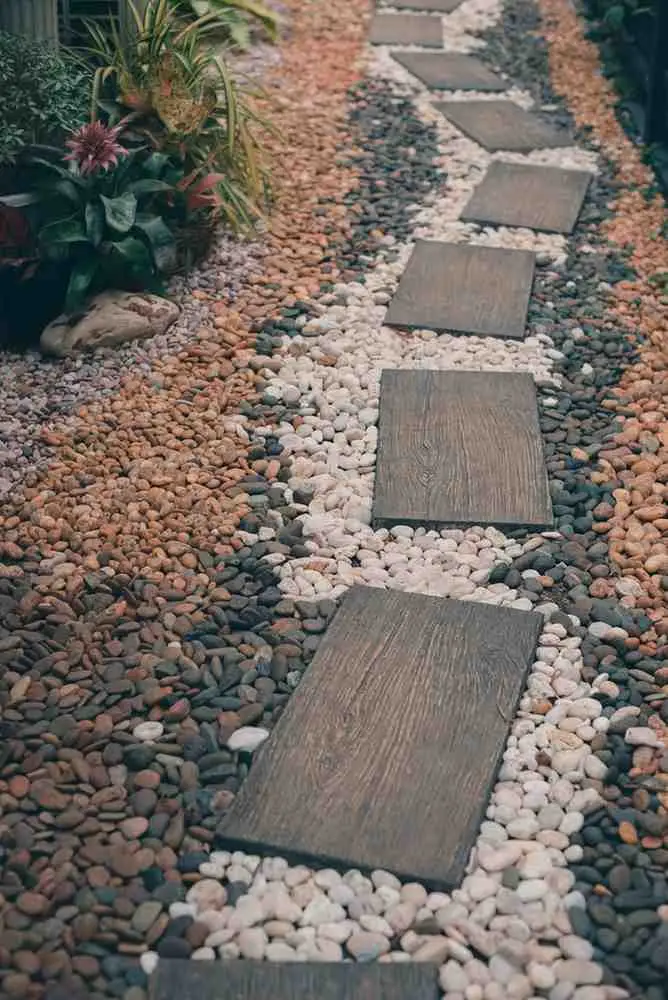
For larger projects involving hardscape, SodGreen installs flagstone walkways and stone borders that pair well with native plant beds. Many Landscape Installation in Dallas-area homes use native plants, which complements the natural look of native plantings.
Conclusion
Texas native plants give Dallas homeowners a real path to a lower-maintenance yard without sacrificing beauty. They handle the heat, the clay, and the dry spells that defeat non-native plants year after year. Start with fall planting, prepare your soil well, and choose species matched to your specific DFW zone.
If you want to go further combining native plantings with artificial turf, flagstone walkways, or a putting green SodGreen has served Dallas homeowners for over 10 years with clean installs and honest pricing. Contact us to get a free estimate and start planning your low-maintenance yard today.
Frequently Asked Questions
What are the easiest native plants for Texas beginners?
Texas sage, blackfoot daisy, and inland sea oats are the three most forgiving choices for a texas native plants list starter bed. All three handle clay soil, drought, and minimal care.
How long before native plants stop needing water?
Most native texas plants reach full establishment after one to two growing seasons. After that, rainfall alone handles irrigation in most DFW years.
Can I mix native plants with artificial turf?
Yes. This is one of the most popular landscape designs in Dallas right now. SodGreen installs turf and can advise on plant borders that complement the installation.
Do native plants attract pests?
Native plants attract native insects, which include both pests and their predators. A healthy native garden tends to self-regulate. Monoculture lawns actually attract more pest problems because they lack that natural balance.


Leave A Comment