 Skip to content
Bermuda Grass VS St Augustine Grass: The Complete Comparison Guide (2026)
Choosing between Bermuda Grass VS St Augustine Grass is one of the most common lawn decisions for homeowners across Dallas and the rest of Texas. Both are warm-season grasses that handle summer heat well. But they behave very differently depending on your yard’s sunlight, soil type, and how much water you can give them.
This guide gives you a straight, honest comparison built for Texas conditions not generic advice recycled from a national site. Whether you have a sun-baked backyard in Frisco or a shaded yard in Irving, you’ll know exactly which grass fits your property by the end of this article.
Quick Answer: Bermuda grass works best for full-sun, high-traffic yards across DFW. St. Augustine grass is better for shaded or humid areas like Houston and coastal Texas. Your soil type, water budget, and sun exposure are the three main factors to weigh before installing sod.
Quick Comparison Table: Bermuda vs St. Augustine at a Glance
| Feature | Bermuda Grass | St. Augustine Grass | Winner |
| Sunlight Needed | 8+ hours/day | 3–4 hours/day | St. Augustine (shade) |
| Shade tolerance | Very low | High | St. Augustine |
| Drought resistance | High | Low–Medium | Bermuda |
| Drought tolerance | Stays green 3–4 weeks dry | Browns in 2 weeks dry | Bermuda |
| Cold tolerance | Moderate (zones 7–10) | Low (zones 8–11) | Bermuda |
| Mowing heights | 0.5–1.5 inches | 2.5–4 inches | Depends on use |
| Growth habits | Stolons + rhizomes | Stolons only | Bermuda (faster repair) |
| Foot traffic | Excellent | Moderate | Bermuda |
| Blade texture | Fine, dense | Broad flat blades, coarse | Personal preference |
| Water needs | ~1 inch of water per week | ~1.5–2 inches per week | Bermuda |
| Sod cost (Dallas) | $0.30–$0.65/sq ft sod only | $0.35–$0.70/sq ft sod only | Similar |
| Weed resistance | High (dense mat) | Moderate | Bermuda |
| Pest issues | Armyworms, mites | Chinch bugs, brown patch | Bermuda |
| Thatch buildup | Common, dethatch yearly | Moderate | St. Augustine |
| Soil pH preference | 6.0–7.0 | 6.0–7.5 | St. Augustine (wider range) |
What is Bermuda Grass?
Appearance and Blade Texture
Bermuda grass has fine to medium blades that form a tight, dense turf. The green color is deep emerald when healthy. It creates that clean, manicured look you see on a golf course or sports field. Up close, the blades are narrow and stiff, very different from the thick, soft look of St. Augustine.
Growth Habit
Bermuda spreads through both stolons (above-ground runners) and underground rhizomes. This double growth habits system makes it one of the fastest self-repairing grasses available. A damaged section from a party, kids playing, or a pet can fill in within 2–3 weeks during peak summer in Dallas.
Most Popular Varieties in Texas
Common Bermuda is the budget-friendly choice and widely available as seed. Tifway 419 is the go-to for sports fields and golf courses, tight, durable, and heat-resistant. TifTuf Bermuda is a newer variety known for using about 38% less water than Tifway, which matters a lot under Stage 2 water restrictions in DFW cities. Celebration Bermuda handles moderate shade better than most other Bermuda types, making it a practical option for Dallas yards with afternoon tree cover.
What is St. Augustine Grass?
Appearance and Blade Texture
St. Augustine grass has broad flat blades that create a thick, cushioned lawn. The color leans toward blue-green rather than pure green. It looks lush and tropical less like a putting green and more like a coastal landscape. Barefoot-friendly and visually full, it is the preferred look in many Houston suburbs.
Growth Habit
St. Augustine spreads only through stolons. It does not produce viable seed, which means you will always install it as sod or plugs never seed. Its growth habits are slower than Bermuda, and it recovers from damage more gradually. However, it forms a dense canopy that naturally blocks weed germination once established.
Most Popular Varieties in Texas
Floratam is the most planted St. Augustine variety across Texas. It handles heat well but is sensitive to chinch bugs. Palmetto is a semi-dwarf variety with better shade performance and some improved resistance to cold snaps. Raleigh handles cold better than Floratam, making it a safer bet for northern DFW areas that occasionally see hard freezes. Seville is a fine-textured option used more in landscape design than large lawn coverage.
Bermuda vs St. Augustine: 10 Key Differences Explained
Sunlight Requirements
This is the single biggest decision factor. Bermuda grasses require a minimum of 8 hours of direct sun per day. If your yard gets less than that due to trees, fences, or a north-facing exposure Bermuda will thin out and die slowly over 2–3 seasons. St. Augustines prefer a minimum of 3–4 hours of direct sun and will stay full and healthy in partially shaded yards. In Dallas, many mature neighborhoods have large oak and pecan canopies. Bermuda vs St. Augustine shade tolerance is often the deciding factor in these older neighborhoods.
Drought Tolerance and Water Needs
Texas summers regularly push past 100 degrees for weeks at a time. Bermuda vs St. Augustine drought tolerance is a clear win for Bermuda in these conditions. Bermuda will go dormant and turn tan but bounce back after rain or irrigation. It needs roughly one inch of water per week during active growth. St. Augustine needs 1.5–2 inches per week to stay green and can show stress within 10–14 days without water. In cities like Austin and San Antonio with Stage 2 watering restrictions, that extra water demand can be a real problem.
Cold and Freeze Tolerance
Both grasses go dormant in winter, but they respond differently to hard freezes. Tolerant Bermuda grass handles short dips into the mid-20s Fahrenheit and recovers well. Extended freezes below 20 degrees can kill Bermuda roots in thin soil. St. Augustine is more cold-sensitive; a hard freeze in DFW can kill large patches outright, especially Floratam. The February 2021 freeze in Texas caused widespread St. Augustine lawn failures across the entire DFW Metroplex. Raleigh variety holds up better but is not fully freeze-proof.
Foot Traffic and Durability
On a sports field or a yard with kids and dogs, Bermuda is the clear choice. Its rhizome system means it repairs itself quickly after heavy use. St. Augustine can handle moderate foot traffic but shows wear and mat thinning under daily use from active families. For a backyard with a dedicated play area, Bermuda is more practical.
Mowing Frequency and Height
Bermuda grows fast and needs mowing every 5–7 days during peak season (May through September in Dallas). Its ideal mowing heights sit between 0.5 and 1.5 inches kept low for a clean look and dense growth. St. Augustine is mowed at 2.5 — 4 inches and needs cutting every 7–10 days. Scalping St. Augustine by cutting it too low weakens the stolons and invites disease. Both grass requires sharp blades to avoid tearing the turf.
Fertilization Schedule
Both grasses use similar fertilizer amounts 2–4 lbs of nitrogen per 1,000 sq ft during the growing season. For Bermuda, a 3-1-2 NPK ratio (like 21-7-14) works well. Feed Bermuda monthly from April through August. St. Augustine benefits from slow-release nitrogen and iron-rich formulas. Avoid high-nitrogen feeding in late fall for both grasses it pushes green growth right before dormancy and increases freeze damage risk.
Weed Resistance and Spread
Bermuda’s aggressive spread and dense mat make it one of the most weed-resistant warm-season grasses when healthy. Bermuda and St. Augustine both suppress weeds through canopy density, but Bermuda’s rhizome system fills gaps faster, reducing the open soil where weed seeds germinate. Pre-emergent herbicide in February and September handles most weed pressure in Dallas lawns.
Pest and Disease Vulnerability
Bermuda is generally more pest-resistant but is vulnerable to fall armyworms and bermudagrass mites in hot, dry summers. St. Augustine’s biggest pest threat is chinch bugs tiny insects that feed on the stolons and cause irregular brown patches that look like drought stress. Chinch bug damage peaks July through September in Houston and coastal Texas. St. Augustine is also prone to brown patch fungal disease, especially in humid areas with poor drainage. If you are in Houston or a coastal DFW suburb with heavy tree cover and regular rain, budget for fungicide applications once or twice per season.
Soil pH Preference
Both grasses prefer slightly acidic to neutral soil 6.0 to 7.0 is ideal for Bermuda, and 6.0 to 7.5 for St. Augustine. In Dallas and Fort Worth, the native black clay (Vertisol) soil sits between pH 7.0 and 8.0, which is slightly alkaline for both grasses. A soil test before sod installation tells you if you need sulfur to lower pH or lime to raise it. This step is skipped by most homeowners and is one of the main reasons new sod fails to establish well. San Antonio’s caliche-heavy soil runs even more alkaline and needs soil prep work before any sod goes down.
Cost Comparison: Bermuda vs St. Augustine
Here is a realistic cost breakdown for Dallas homeowners planning a sod installation or lawn renovation:
| Cost Item | Bermuda Grass | St. Augustine Grass |
| Sod cost (material only) | $0.30–$0.65 per sq ft | $0.35–$0.70 per sq ft |
| Seed cost | $15–$40 per 1,000 sq ft | Not available — sod only |
| Professional installation (labor) | $0.50–$1.00 per sq ft | $0.50–$1.00 per sq ft |
| Full installed cost (1,000 sq ft) | $800–$1,650 | $850–$1,700 |
| Annual water cost estimate (DFW) | $180–$280 | $260–$380 |
| Annual fertilizer (1,000 sq ft) | $60–$110 | $70–$120 |
| Dethatching (every 1–2 years) | $100–$200 per visit | $80–$150 per visit |
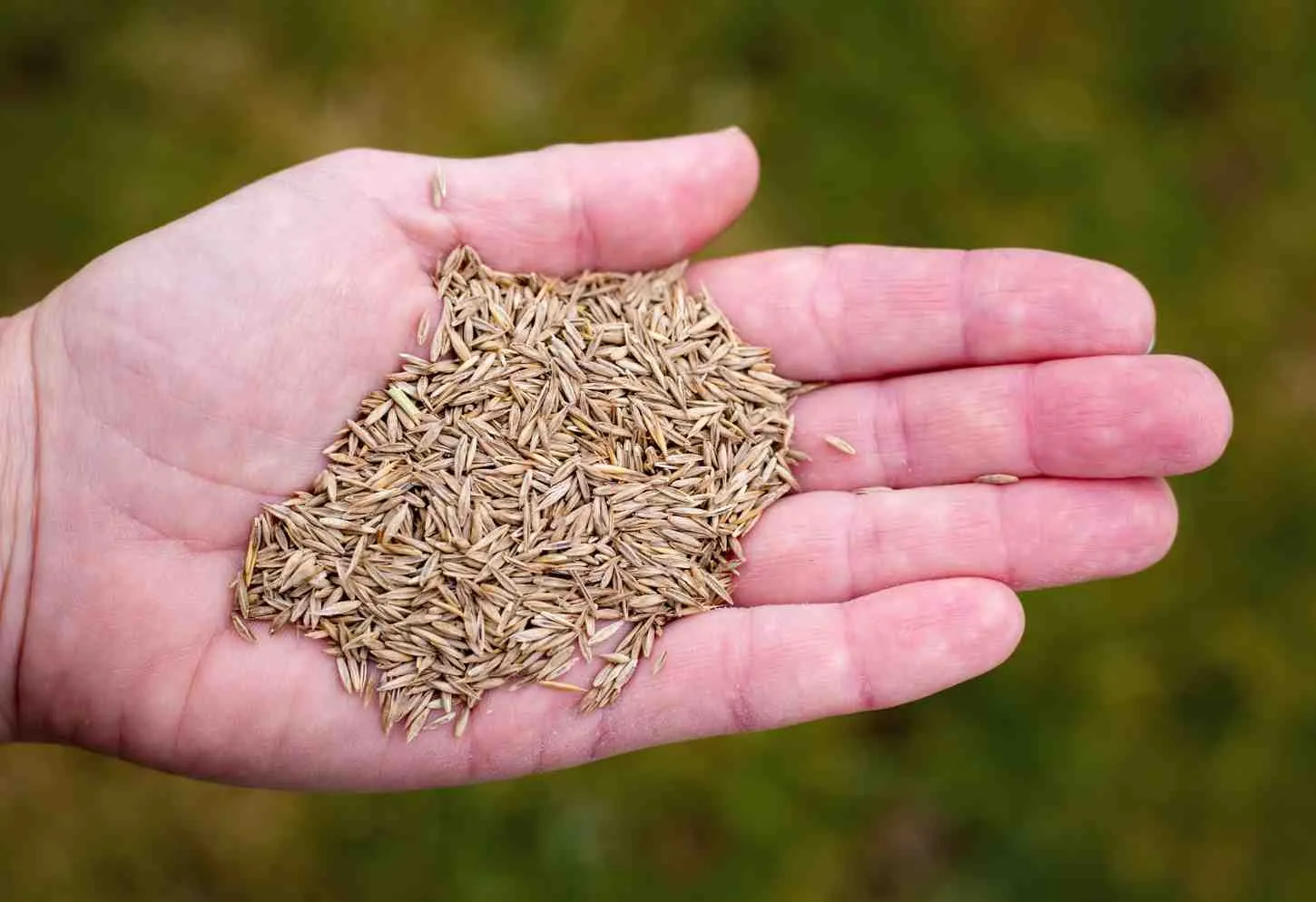
One key cost difference: Bermuda can be started from Bermuda Grass Seed to Grow which cuts initial cost significantly for large areas. St. Augustine has no viable seed option, so sod or plugs are your only path. For a full lawn renovation, this can mean a $300–$600 difference on a 1,500 sq ft area.
Knowing how big is a roll of sod helps with your planning. A standard sod roll covers about 10 sq ft (2×5 ft). A pallet typically covers 450 sq ft. For most DFW front yards, you will need 1–3 pallets depending on size.
Which Grass is Right for You? Decision Guide by Use Case
Best for Full Sun Yards
If your yard gets 8+ hours of direct sun daily, Bermuda grass is the clear winner. It thrives in the intense Texas sun and stays thick and green through summer without excessive water.
Best for Shaded or Partially Shaded Yards
If your yard has large trees, north-facing areas, or you see only 3–5 hours of direct sun, choose St. Augustine. Bermuda will thin and fail in those conditions within a growing season or two.
Best for High Traffic: Kids and Pets
Bermuda is the better choice for active families. Its rhizome repair system handles dog runs, kids playing, and regular foot traffic without developing permanent bald patches.
Best for Texas Lawns in the DFW Metroplex
In Bermuda Grass vs St. Augustine Grass Texas, most DFW cities lean toward Bermuda because of the full-sun suburban lots, clay soil, and Stage 2 water restrictions that affect cities like Allen, Plano, Frisco, and McKinney. SodGreen’s installation crews in Dallas install both varieties but see Bermuda as the dominant choice for Frisco, Allen, and Prosper newer developments with open lots and limited tree cover.
Best for Coastal and Humid Climates
Houston, Corpus Christi, and Gulf Coast areas are natural territory for St. Augustine grass. The humidity supports its growth, and the sandy soil with moderate shade from Gulf storms suits the grass’s preferences. Augustine grass also tolerates mild salt air better than Bermuda, making it the right call for coastal properties.
Best for the Transition Zone
In states like Georgia, the Carolinas, and northern Texas, Bermuda’s cold tolerance gives it an edge. But a hard freeze can damage both grasses. Overseeding Bermuda with perennial ryegrass in late October keeps the lawn green through winter; this is a common practice across DFW and is something SodGreen’s team can walk you through during a site visit.
Lawn Care Guide: Bermuda Grass Maintenance Calendar
| Month | Mowing | Watering | Fertilizing | Other Tasks |
| Jan–Feb | None (dormant) | Minimal — only if dry | None | Apply pre-emergent in late Feb |
| March | Begin at 1–1.5 in | Start 1 in/week | Light iron application | Dethatch if needed |
| April | Weekly at 1–1.5 in | 1 in/week | Apply 1 lb N per 1,000 sq ft | Overseed bare patches |
| May–July | Every 5–7 days | 1–1.25 in/week | Monthly N application | Watch for armyworms |
| August | Every 5–7 days | 1.25 in/week | Last summer N feeding | Mite inspection |
| September | Reduce frequency | Taper off | Final light application | Fall pre-emergent |
| Oct–Nov | As needed | Every 2 weeks | None | Consider ryegrass overseeding |
| December | None | Once if dry | None | Plan spring aeration |
Overseeding Bermuda with annual ryegrass in late October keeps the lawn green through DFW winters. Use 10–15 lbs of seed per 1,000 sq ft after scalping Bermuda to 0.5 inches. This is one of the most effective and overlooked lawn practices for Dallas homeowners who want year-round curb appeal.
Lawn Care Guide: St. Augustine Grass Maintenance Calendar
| Month | Mowing | Watering | Fertilizing | Other Tasks |
| Jan–Feb | None (dormant) | Minimal | None | Watch for cold damage |
| March | Begin at 3 in | Light watering | Light fertilizer if green | Inspect for chinch bug activity |
| April | Every 7–10 days | 1.5 in/week | Apply slow-release N | Check for Brown Patch fungus |
| May–July | Every 7–10 days | 1.5–2 in/week | Monthly feeding | Chinch bug peak — inspect weekly |
| August | Every 7–10 days | 2 in/week | Light mid-summer feeding | Fungicide if humid + shaded |
| September | Reduce mowing | Taper watering | Final light application | Fall pre-emergent |
| Oct–Nov | As needed | Every 10–14 days | None | Avoid nitrogen feeding |
| December | None | Once if dry | None | Assess winter injury risk |
St. Augustine cannot be overseeded because its wide stolons and blade height block light from reaching seed at soil level. If you want winter color with St. Augustine, your best option is painting with lawn colorant a product several DFW landscapers use on high-visibility properties.
Chinch bug prevention is critical for St. Augustine in Dallas. Inspect the lawn weekly from May through September. Look for yellowing patches near sidewalks and driveways first those hot, dry edges are where chinch bugs start. Early treatment with bifenthrin or lambda-cyhalothrin stops an infestation before it spreads across the lawn.
Can Bermuda and St. Augustine Grass Coexist?
In a direct battle between bermuda and st augustine, Bermuda almost always wins in sunny conditions. Its rhizome system spreads underground and into St. Augustine stolons, eventually dominating the lawn over 2–3 growing seasons. In shaded areas, St. Augustine holds its ground because Bermuda cannot thrive without full sun.
How to Transition from St. Augustine to Bermuda
The cleanest approach is full removal and soil prep. Solarize the existing St. Augustine in summer using clear plastic sheeting for 4–6 weeks. This kills the existing grass and most surface-level weed seeds. Then aerate, amend the soil based on a pH test, and install Bermuda sod or seed once soil temperature stays above 65 degrees. SodGreen handles full lawn renovations across all DFW cities, from initial removal to final sod installation.
How to Eliminate Bermuda from St. Augustine
This is harder. Bermuda’s rhizomes spread deep and wide. Spot-treating with fluazifop-P-butyl (sold as Ornamec) targets grass species selectively and will kill Bermuda while leaving St. Augustine largely unharmed when applied correctly. Multiple applications over one season are usually needed. Manual removal of Bermuda runners before they root also slows the spread but rarely eliminates it entirely without herbicide support.
Why Choose SodGreen for Your Dallas Lawn?
SodGreen has served Dallas and the entire DFW Metroplex for over 10 years. Whether you need Bermuda sod installed in Frisco, St. Augustine laid in a shaded Irving backyard, or custom Putting Greens in Dallas for your outdoor space, the SodGreen team handles it all with clean work and honest pricing. Every project starts with a proper site assessment soil type, sun exposure, drainage so you get the right grass for your specific yard, not a generic recommendation. Financing is available, and the crew leaves your property clean after every install.
Conclusion
Both Bermuda and St. Augustine are quality warm-season grasses with real strengths for Texas homeowners. Bermuda grass wins in full-sun, high-traffic, drought-prone DFW yards. St. Augustine wins in shaded, humid, and coastal conditions. The right choice for your lawn depends on your specific yard conditions, not general advice.
SodGreen has installed thousands of lawns across Dallas, Frisco, McKinney, Plano, Allen, Garland, and the rest of the DFW Metroplex. If you are ready to install new sod or replace an existing lawn, contact us to get competitive pricing, financing options, and clean, professional work backed by 10 years of experience.
Frequently Asked Questions
Which grass is softer: Bermuda or St. Augustine?
St. Augustine is noticeably softer underfoot due to its wide, flat blades. Bermuda feels firmer and more springy. For a barefoot lawn, most homeowners prefer St. Augustine’s feel.
Does St. Augustine take over Bermuda?
In shaded areas, yes. In full-sun conditions, Bermuda’s rhizomes outcompete St. Augustine and will eventually dominate the mixed areas. The two grasses are not a stable combination in a single lawn.
Which grass stays green longer in winter?
Both go dormant in Dallas winters. St. Augustine can hold color slightly longer into fall if temperatures stay mild. Bermuda can be overseeded with ryegrass to stay visually green all winter.
Can I overseed St. Augustine?
No. St. Augustine’s thick stolons and tall mowing height block sunlight from reaching new seed at soil level. Overseeding does not work with this grass type.
Which is easier to maintain?
Bermuda requires more mowing frequency but has fewer disease and pest issues. St. Augustine needs less mowing but demands more attention to chinch bugs, fungal disease, and watering. Overall, many homeowners find Bermuda easier in full-sun DFW conditions.
Which is better for sandy soil?
Bermuda handles sandy soil well due to its deep root system. St. Augustine also grows in sandy soil but needs more frequent watering to compensate for low water retention. Houston’s sandy loam supports both grasses when irrigation is consistent.
Which grass has fewer weeds?
Bermuda’s dense growth and fast spread make it more weed-resistant. Its tight mat leaves fewer open gaps for weed seeds to germinate compared to St. Augustine, which fills in more slowly after establishment or damage.
Bermuda Grass vs St. Augustine Grass Texas: which is more common?
In the Dallas-Fort Worth area, Bermuda is more common due to the open, sunny lots in newer developments. In Houston and coastal Texas, St. Augustine dominates because of humidity and shade from mature trees. Knowing your specific city and soil type matters more than a general state-level recommendation.
Bermuda Grass vs St. Augustine Maintenance: what’s the real difference?
Bermuda needs more mowing (every 5–7 days at peak) but has lower water requirements and fewer disease problems. St. Augustine needs less frequent mowing but demands more water and consistent pest monitoring. Annual maintenance costs are similar roughly $400–$700 per year for a 1,500 sq ft lawn including water, fertilizer, and pest prevention.


Leave A Comment