 Skip to content
How To Maintain Artificial Grass (Expert Guide 2026)
Artificial grass saves time and money for many homeowners. But it only stays clean and green if you care for it the right way. This guide explains How To Maintain Artificial Grass using simple steps that work in the hot Texas climate.
Many homeowners choose synthetic grass to avoid mowing and watering like natural grass. Still, every artificial grass lawn needs basic care. In this guide, you will learn simple maintenance tips that keep turf fresh, safe, and long-lasting.
Quick Maintenance Summary
| Task | Frequency | Time Required |
| Remove debris from artificial grass | Weekly | 5 minutes |
| Rinse artificial grass with a garden hose | Weekly | 10 minutes |
| Brush artificial grass fibers | Monthly | 15 minutes |
| Clean pet waste spots | As needed | 5 minutes |
| Deep cleaning | Every 3 months | 1–2 hours |
| Infill inspection | Yearly | 30 minutes |
This routine keeps synthetic turf healthy and helps homeowners maintain synthetic turf lawn quality for many years.
Why Maintenance Matters
Many people think artificial grass does not require care. It is low maintenance, but it still needs basic attention.
Lifespan Protection
With proper artificial grass maintenance, most modern turf lasts 15 to 25 years. Without care, fibers wear faster and may flatten.
Hygiene and Odor Control
Dust, bacteria, and pet waste can collect in turf. Regular cleaning helps artificial grass clean surfaces stay safe for children and pets.
Appearance and Fiber Health
In busy yards or high traffic areas, turf fibers may lean down. Light brushing restores the upright look.
Warranty Protection
Many turf warranties require routine maintenance of artificial grass. Ignoring care may void coverage.
Tools and Supplies You Need
Many competitors skip this step. But having the right tools makes artificial lawn maintenance easier.
Essential Turf Maintenance Tools
- Stiff broom or power broom
• leaf blower for quick debris removal
• Plastic rake (never metal)
• garden hose with spray nozzle
• Enzyme cleaner for pet turf
• Mild soap and warm water
• White vinegar solution for removing stains
• Turf deodorizer
• Extra infill sand
These tools help with proper turf maintenance and safe cleaning.
Pro Tip
Avoid harsh chemicals, bleach, and pressure washers. These may damage fibers and weaken the base.
Daily and Weekly Maintenance Routine
Simple routines keep your artificial grass lawn looking fresh.
Daily Care for High Traffic Areas
If your yard has kids or pets, quick daily checks help.
- Remove visible pet waste right away
• Rinse spills and stains before they dry
• Inspect busy walkways and play areas
Small habits help maintain artificial turf quality.
Weekly Care
Weekly cleaning prevents dust buildup.
- Use a leaf blower to ReMove debris from artificial grass
- Lightly Rinse artificial grass using a garden hose
- Inspect edges and seams
- Lightly Brush artificial grass in worn areas
These basic Artificial turf care tips keep the lawn looking natural.
Monthly Care
Monthly inspection protects your investment.
- Check infill levels
• Remove any stubborn stain spots
• Treat pet zones with deodorizer
• Inspect drainage
Routine artificial turf maintenance improves turf durability.
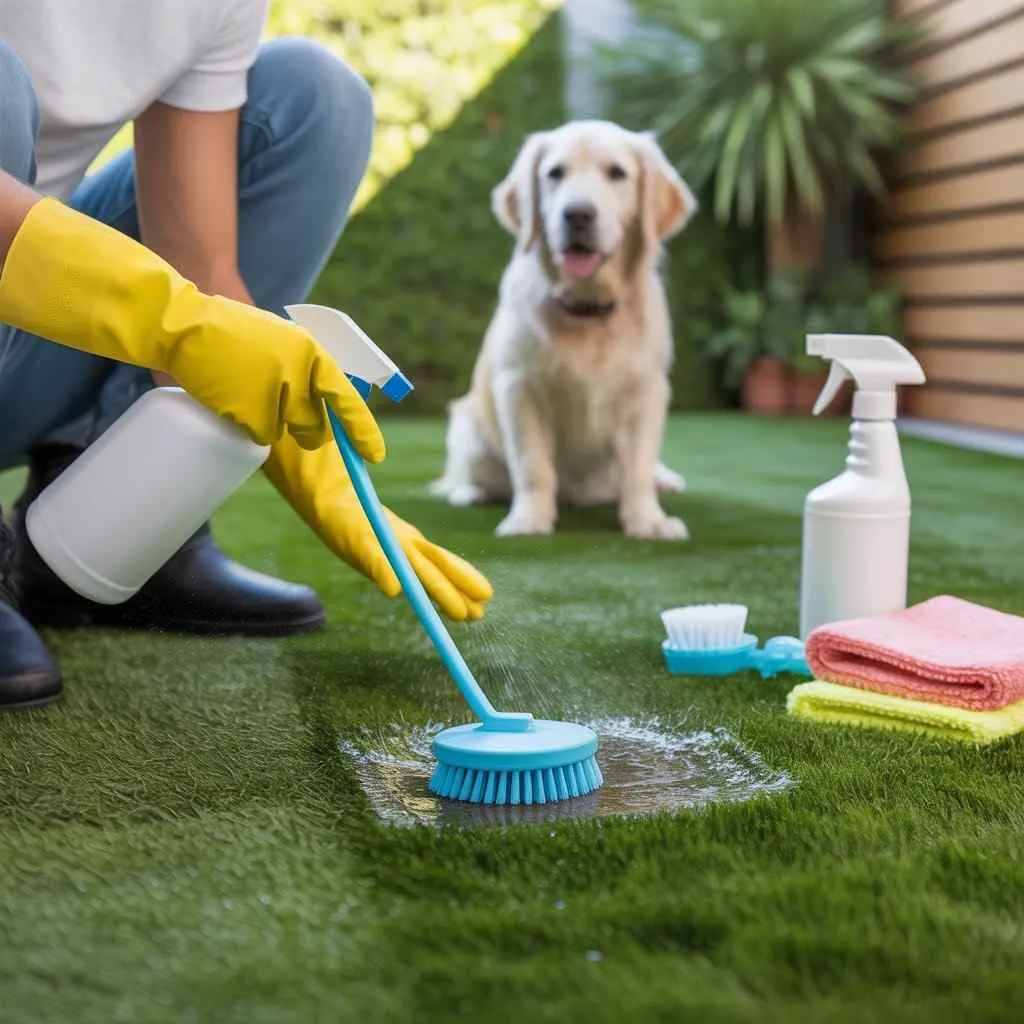
How To Clean Artificial Grass Properly
Homeowners often ask How To Maintain Artificial Grass in the easiest way. The answer is a simple cleaning routine.
Step 1: Remove Debris
Start by clearing leaves and dust. Use a leaf blower or plastic rake.
This step helps Clean artificial turf before deeper washing.
Step 2: Rinse the Turf
Use a garden hose to Rinse artificial grass and remove pollen or dirt. This method works well in the warm weather of Dallas, Texas.
Step 3: Spot Clean Stains
Mix warm water with mild soap. Gently scrub areas with spills and stains.
This is one of the safest Artificial grass cleaning methods.
Step 4: Clean Pet Areas
To Remove pet waste from artificial turf, rinse the area and apply enzyme cleaner.
This prevents odor in pet turf sections.
Step 5: Brush the Fibers
Use a stiff broom to Brush artificial grass against the grain. This restores upright turf fibers.
Step 6: Air Dry
Allow turf to dry naturally. The Texas sun helps speed this process.
Seasonal Artificial Grass Maintenance
The climate in Dallas, Texas can be hot and dry. Seasonal care protects turf through changing weather.
Spring Maintenance
Spring cleaning removes winter buildup.
- Deep rinse to remove dust
• Inspect seams
• Check infill levels
• Prevent weeds in artificial grass
Summer Maintenance
Summer heat in Dallas can reach high temperatures.
- Rinse turf more often
• Clean pet turf areas weekly
• Avoid placing grills directly on turf
Quick rinsing can cool the surface on hot Texas days.
Fall Maintenance
Falling leaves are common across North Texas yards.
- Use a leaf blower weekly
• Watch for mold under wet leaves
• Inspect drainage channels
Winter Maintenance
North Texas rarely sees heavy snow, but cold weather still matters.
- Use a plastic shovel if snow builds up
• Never apply salt or harsh chemicals
• Allow frost to melt naturally
Pet Owner’s Artificial Grass Maintenance Guide
Many homes in Dallas install turf for dogs. A pet-friendly yard stays clean with simple care.
Solid Waste Removal
Pick up pet waste immediately. Then rinse the area with water.
Urine Odor Treatment
Use enzyme cleaner or vinegar spray to remove pet waste from artificial turf odors.
Deodorizing
Monthly deodorizer helps keep pet turf fresh.
Infill for Pets
Zeolite infill absorbs odor. Many installers recommend it for pet yards.
These steps support long-term artificial grass maintenance.
Artificial Grass Infill Maintenance
Infill is the sand layer that keeps turf fibers standing.
Why Infill Matters
Infill stabilizes turf and improves drainage.
Common Types
- Silica sand
• Crumb rubber
• Zeolite for pet odor control
When to Add More
If turf feels flat or compacted, add more infill. Brush evenly to distribute.
Routine inspection is key for strong artificial turf maintenance.
Stain Removal Guide
Different stains need different cleaning methods.
| Stain | Cleaning Method |
| Mud | Let dry, brush, rinse |
| Grease | Mild soap and warm water |
| Chewing gum | Freeze with ice and scrape |
| Food spills | Cold water and soap |
| Paint | Mineral spirits test first |
| Blood | Cold water rinse |
| Pet waste | Enzyme cleaner |
Quick cleaning keeps artificial grass clean and safe.
Common Mistakes to Avoid
Many turf problems come from simple mistakes.
- Using metal rakes
• Applying bleach or harsh chemicals
• Ignoring pet waste
• Pressure washing with infill
• Not brushing high traffic areas
• Forgetting infill maintenance
Avoiding these errors protects artificial lawn maintenance results.
When to Call a Professional
Sometimes professional help is needed.
Signs include:
- Strong odor that will not go away
• Drainage problems
• Loose seams
• Severe fiber matting
Professional teams perform deep cleaning, fiber brushing, and infill restoration.
If you live in Dallas, Texas, We provides professional Artificial Turf Installation Dallas and turf care services across the DFW area.
How Long Artificial Grass Lasts
Well-installed turf lasts many years.
With good artificial grass maintenance, most systems last 15–25 years.
Without proper care, the lifespan may drop to 8–10 years.
Quality installation also matters. At SodGreen, our Artificial Turf Installation Dallas service uses durable products designed for the Texas climate.
Many homeowners compare options such as Fake Grass Carpet, traditional sod, or even Bermuda Grass Seed to grow natural lawns. Artificial turf reduces water use and lawn work.
Conclusion
How To Maintain Artificial Grass? Maintaining turf is simple when you follow the right routine. Weekly rinsing, brushing, and quick stain removal keep your yard fresh. With good care, artificial grass can last more than twenty years.
If you are planning a new lawn in Dallas, Texas, SodGreen offers expert Artificial Turf Installation Dallas services. Our team installs durable turf designed for the Texas climate.
Contact us to request a free consultation and keep your lawn looking perfect year-round.
FAQ
How often should artificial grass be cleaned?
Most homeowners should rinse weekly and deep clean every three months.
Can I use a pressure washer on artificial grass?
It is best to avoid pressure washers. They may disturb infill and damage turf fibers.
How do I remove dog urine smell?
Use enzyme cleaner and rinse the area well.
What is the best cleaner for turf?
Mild soap, vinegar solution, or enzyme cleaners are safe.
Does artificial grass need brushing?
Yes. Light brushing keeps turf fibers upright and improves appearance.
Can artificial turf grow mold?
Yes, if debris stays wet. Regular cleaning helps Prevent weeds in artificial grass and mold growth.
Is vinegar safe for turf?
Yes. Diluted vinegar works for odor and removing stains.


Leave A Comment